
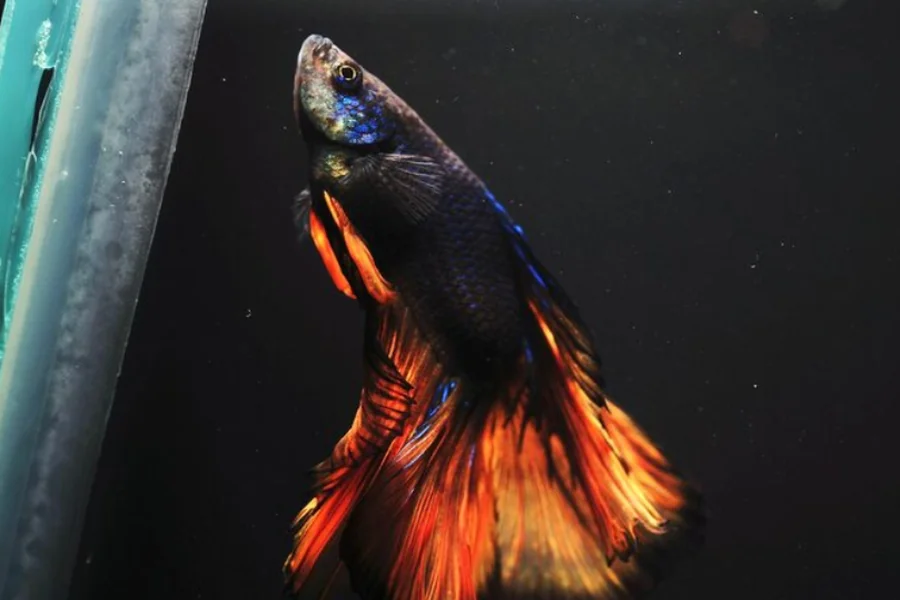
Betta fish are among the most recognized freshwater fish in the aquarium hobby. Their bright colors, flowing fins, and lively personalities make them a favorite for both beginners and experienced fish keepers. Although they are often seen as easy pets, Betta fish still require proper care, a suitable environment, and a balanced diet to stay healthy.
Originally from Southeast Asia, Bettas have adapted to living in shallow waters where conditions can change throughout the year. This natural adaptability makes them hardy fish, but it should not be mistaken as a reason to keep them in poor conditions. Many aquarium hobbyists browse online stores to see full collection options when choosing Betta fish with different colors, fin types, and patterns for their tanks. When given the right home, Betta fish reward their owners with beautiful colors, active behavior, and unique personalities.
Today, there are many different colors, fin types, and patterns available, allowing aquarium enthusiasts to choose a Betta that suits their personal preference. Understanding their needs is the first step towards providing a healthy and comfortable life for these remarkable fish.
The Natural Habitat of Betta Fish
Betta fish belong to the Betta genus, with Betta splendens being the most common species found in aquariums. They naturally live in countries such as Thailand, Cambodia, Vietnam, and neighboring parts of Southeast Asia.
In the wild, they inhabit slow-moving waters, including rice fields, ponds, marshes, and small streams. These environments often contain dense vegetation, fallen leaves, and shallow water with low oxygen levels. Bettas have developed a special organ called the labyrinth organ, allowing them to breathe air directly from the surface in addition to using their gills.
Although they can survive in challenging conditions, this does not mean they should be kept in small containers without proper care. Replicating aspects of their natural environment helps reduce stress and encourages healthier behavior.
The Wide Variety of Betta Fish
One of the reasons Betta fish continue to grow in popularity is the incredible variety available. Years of selective breeding have produced fish with different colors, tail shapes, and body patterns.
Each Betta has its own appearance, making every aquarium unique. Whether someone prefers a fish with long, flowing fins or a shorter, more compact tail, there is a Betta to suit nearly every taste.
Selective breeding has also produced stronger colors and more detailed patterns than those found in wild Bettas, making them one of the most visually impressive freshwater fish available.
Beautiful Colors and Unique Patterns
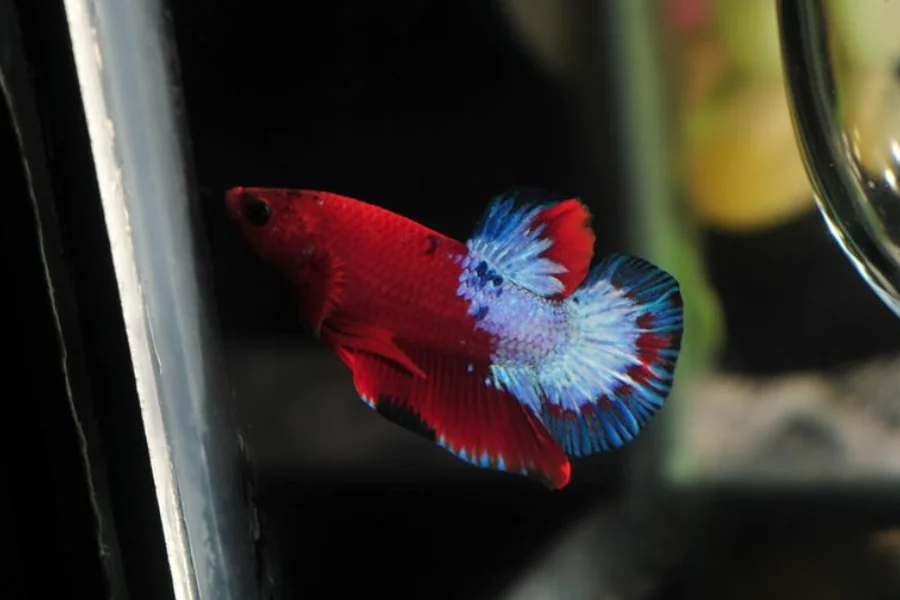
Betta fish are available in an impressive range of colors. Deep blue, bright red, white, yellow, purple, turquoise, and black are just some of the shades commonly seen. Some fish display a single color across their entire body, while others combine several colors to create eye-catching patterns.
Marble Bettas are particularly interesting because their markings may change as they grow older. A fish that begins with mostly white coloring may gradually develop blue, black, or red patches over time. This natural change means no two marble Bettas remain exactly alike.
Metallic varieties also attract attention due to their reflective scales, which create a shimmering appearance when light passes through the aquarium.
Different Tail and Fin Types
Betta fish are not only recognized by their colors but also by the shape of their fins. Different tail types create completely different appearances even when the fish share similar colors.
The Veiltail is one of the most familiar varieties, featuring long fins that gently trail behind the fish while it swims. Halfmoon Bettas are admired for their wide tail, which spreads into an impressive semicircle when fully displayed.
Crowntail Bettas have fin rays that extend beyond the webbing, creating a pointed appearance unlike any other variety. Delta, Super Delta, Plakat, and Double Tail Bettas each have their own distinctive features, giving fish keepers a wide selection when choosing their next aquarium addition.
Choosing the Right Aquarium
Although Betta fish are often marketed as suitable for very small containers, they thrive in larger aquariums that provide enough space for swimming and exploration.
A properly sized aquarium allows Bettas to display more natural behavior while helping maintain stable water conditions. Extra space also reduces stress and provides room for decorations and plants.
A secure lid is highly recommended because Bettas are capable of jumping, particularly when startled or during feeding.
Selecting the correct aquarium from the beginning creates a better environment that supports long-term health.
Creating a Comfortable Environment
A Betta’s aquarium should resemble its natural surroundings as much as possible. Live plants, smooth rocks, and gentle decorations create places for resting and exploring.
Plants such as Java fern, Anubias, and floating vegetation provide shelter while helping improve water quality. Bettas often rest on broad leaves close to the surface, making live plants both practical and attractive.
When choosing decorations, smooth surfaces are essential. Sharp ornaments can tear the delicate fins that make Bettas so distinctive.
Providing open swimming space alongside sheltered areas allows the fish to feel secure while remaining active.
Maintaining Healthy Water Conditions
Water quality is one of the most important factors in Betta care. Even the healthiest fish can become ill if water conditions are poor.
Bettas prefer warm water that remains stable throughout the year. Sudden temperature changes can weaken their immune system and increase stress. Using a reliable aquarium heater helps maintain a consistent environment.
Regular water changes remove waste that naturally builds up over time. A gentle filtration system also helps keep the water clean without producing strong currents that make swimming difficult for Bettas.
Monitoring water quality regularly helps prevent many common health problems before they develop.
Recognizing Signs of Good Health
Healthy Betta fish are active, alert, and interested in food. Their fins remain fully open, their scales appear smooth, and their colors stay bright.
Changes in appearance or behavior often indicate that something requires attention. Loss of appetite, faded colors, damaged fins, or unusual swimming patterns may signal poor water quality, stress, or illness.
Daily observation is one of the easiest ways to monitor a Betta’s well-being. Identifying small changes early often allows owners to correct problems before they become serious.
Maintaining clean water, proper nutrition, and a stable environment remains the best way to support long-term health.
Creating the Best Home for Your Betta Fish
Keeping a Betta fish healthy begins with understanding its natural needs. A spacious aquarium, warm, clean water, nutritious food, and suitable decorations all contribute to a comfortable environment where the fish can thrive.
Providing consistent care allows Bettas to display their full beauty while remaining active and healthy throughout their lives. Their combination of striking appearance, fascinating behavior, and manageable care requirements makes them an excellent choice for both new and experienced aquarium enthusiasts.
With the right attention and regular maintenance, a Betta fish can become the centerpiece of any freshwater aquarium. Their bright colors, graceful movement, and engaging personality make them far more than just decorative fish, offering owners an enjoyable and rewarding fish-keeping experience for years to come.

Passionate about exploring diverse ideas and sharing inspiration, I curate content that sparks curiosity and encourages personal growth. Join me at ElementalNest.com for insights across a wide range of topics.