
The space someone lives in does more than provide shelter. It quietly shapes mood, behavior, and even the likelihood of falling back into old patterns. During emotional healing and recovery, the environment surrounding a person is rarely a neutral backdrop. It is an active participant in either supporting or undermining the changes someone is working hard to make.
Why Environment Matters More Than Willpower Alone
It is tempting to believe that lasting change comes down entirely to internal resolve. In reality, environment plays an enormous role in shaping behavior, often more than people realize. A cluttered, chaotic, or trigger-filled space can quietly wear down someone’s ability to maintain new habits, while a calm, intentional environment tends to reinforce them.
This is not about willpower failing. It is about recognizing that surroundings either make healthy choices easier or make them unnecessarily difficult, regardless of how motivated someone feels in the moment.
The Role of Physical Space in Early Recovery
In the earlier, more fragile stages of recovery, physical surroundings carry particular weight. A space filled with reminders of past struggles, whether through people, objects, or simply the emotional residue of difficult memories, can make it much harder to build new patterns. A fresh, supportive environment, even a modest one, often gives new habits room to take hold without constant resistance.
Some sober living communities are designed specifically around this principle, offering a physical and social environment intentionally structured to support recovery rather than working against it, with shared spaces and house routines that reinforce healthy patterns simply by being part of daily life.
Simplifying Surroundings to Support Emotional Clarity
Clutter and disorganization often mirror and reinforce internal chaos. Simplifying a living space, clearing out what no longer serves a person’s wellbeing, can create a sense of calm that makes emotional clarity easier to access. This does not require an elaborate overhaul. Even small, intentional changes, a clear morning space, a designated quiet corner, consistent order in shared areas, can meaningfully shift how a space feels to live in.
For many people in recovery, this kind of simplification becomes a physical reflection of the internal work being done, reinforcing rather than working against the emotional healing taking place.
Structured Environments as a Foundation for Change
For some people, meaningful environmental change starts within a structured treatment setting, where the surrounding space is intentionally designed to support healing from the outset. Some residential treatment programs are built with this in mind, offering an environment specifically shaped to reduce triggers and support new routines during the most vulnerable early stage of recovery.
This early experience of a supportive environment often shapes what someone looks for when building their own space later on, carrying that same sense of intentionality forward.
Community as Part of the Environment
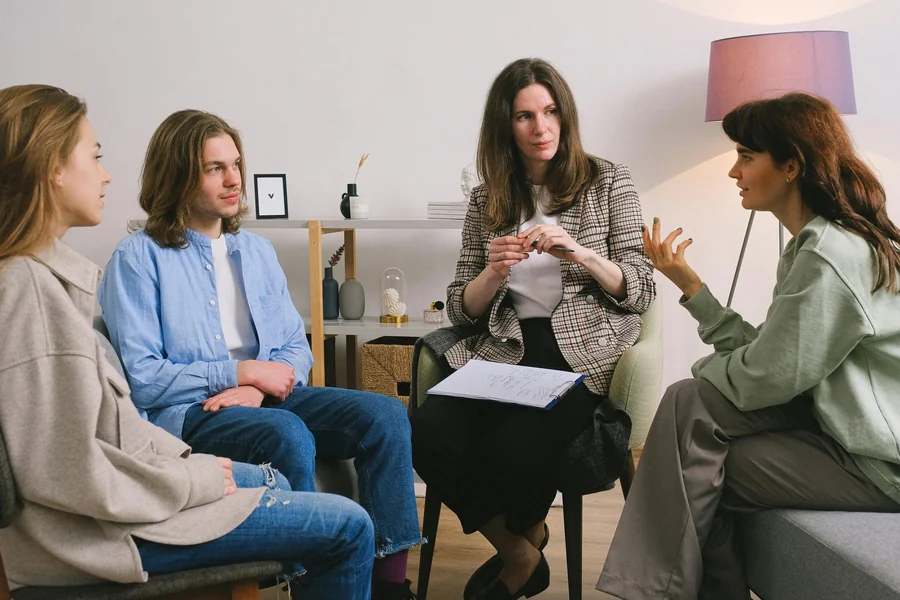
The environment is not only physical. The people someone regularly spends time around shape mood, behavior, and outlook just as much as the walls surrounding them. Being consistently around people who understand and support recovery tends to reinforce healthy patterns, while environments filled with unresolved tension or unsupportive relationships can quietly erode progress over time.
Building a Home That Reflects Who You’re Becoming
Over time, many people find that intentionally shaping their living space, keeping it calm, orderly, and free of unnecessary triggers, becomes a quiet extension of their own healing. A home that reflects stability and intention, rather than chaos left over from a difficult period, often reinforces the very qualities someone is working to build within themselves.
The Bottom Line
Environment is rarely a passive backdrop to emotional healing. It actively shapes what feels possible day to day. Whether through a structured treatment setting, a supportive sober living community, or simply a more intentional approach to one’s own living space, shaping the environment around recovery is one of the most practical, often underestimated tools available for supporting lasting change.

Passionate about exploring diverse ideas and sharing inspiration, I curate content that sparks curiosity and encourages personal growth. Join me at ElementalNest.com for insights across a wide range of topics.