Epoxy resins are widely used in industry, construction and the production of composite materials. They are used, among other applications, to create protective coatings, bond components and manufacture durable laminates. However, achieving the desired properties of the finished material requires following specific guidelines. Even minor mistakes during preparation or application can negatively affect the final result. What mistakes should you avoid when working with epoxy resins?
Choosing the wrong resin for the intended application
One of the most common mistakes is selecting a product without carefully checking its technical properties. Different epoxy resins vary in viscosity, curing time and intended use. A material suitable for surface impregnation may not necessarily perform well in adhesive bonding or the production of composite components.
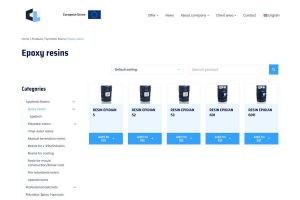
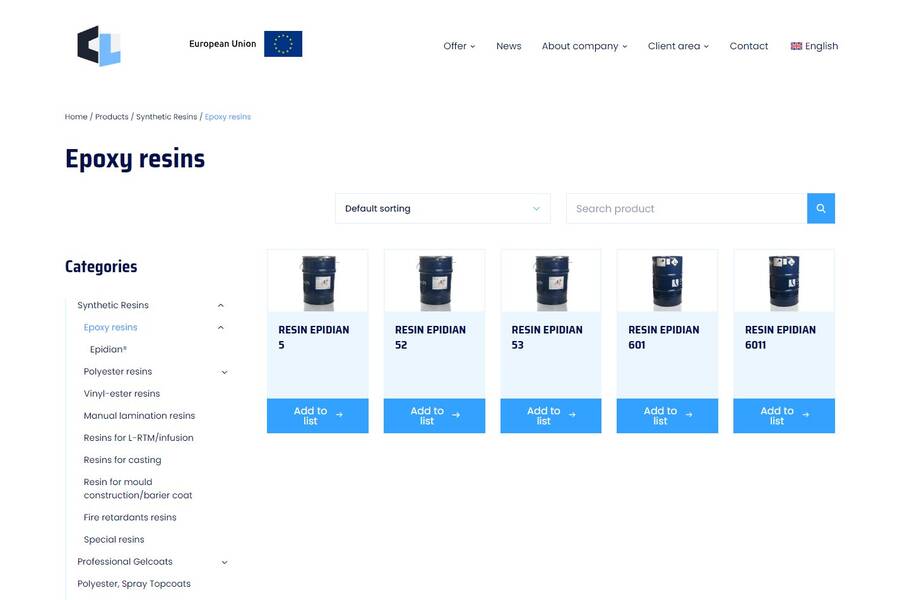
Therefore, before starting work, it is worth comparing the available types of epoxy resins and reviewing their technical documentation. Particular attention should be paid to recommended applications and compatibility with specific hardeners. Choosing the right material helps reduce the risk of problems during application and subsequent use of the finished product.
Incorrect resin-to-hardener ratios
The curing process of epoxy resins requires maintaining the correct proportions of individual components. Adding too little or too much hardener can lead to incomplete curing, reduced mechanical properties or surface defects.
When preparing the mixture, it is essential to:
- follow the manufacturer’s recommended mixing ratios, taking into account the specified method of measuring the components;
- thoroughly mix the resin and hardener to obtain a uniform mixture;
- use appropriate measuring tools to ensure accurate dosing;
- prepare an amount of material suitable for the available working time to prevent premature curing.
It is important to remember that different epoxy resins may require different mixing ratios. Therefore, the same preparation procedure should not be applied to every product.
Failing to prepare the surface before application
Even a properly prepared epoxy mixture may not provide the expected adhesion if applied to an inadequately prepared substrate. Residues of grease, dust, moisture or other contaminants can weaken the bond between the material and the surface.
The surface preparation method should be adapted to the type of substrate and the requirements of the specific product. Metal surfaces may require rust removal and degreasing, while concrete surfaces often need cleaning and moisture testing. Proper substrate preparation is particularly important when applying protective coatings, installing flooring systems and creating adhesive bonds.
Incorrect temperature and curing conditions
Environmental conditions significantly influence the chemical reactions that occur during resin curing. Temperatures that are too low can extend the curing process, while high temperatures may shorten the working time of the prepared mixture.
When working with epoxy resins, the substrate temperature, ambient humidity and amount of material prepared at one time are also important factors. Some formulations generate heat during curing, so preparing an excessively large batch can lead to a significant temperature increase. Before application, it is essential to check the manufacturer’s recommendations and ensure suitable working conditions.
How to work with epoxy resins correctly?
Achieving a durable and functional material requires not only choosing the right resin but also proper preparation and adherence to recommended application conditions. Important factors include mixing ratios, substrate condition, temperature and curing time. It is also advisable to use the personal protective equipment specified in the product’s safety data sheet. Following the manufacturer’s instructions helps minimise the risk of mistakes and achieve results that meet the requirements of the intended application. The same careful thinking applies when choosing a manufacturing method for new products, where material choice shapes the quality of the end result.
Epoxy resins – C-L
Address: Redzikowo, Przemysłowa 14, 76-200 Słupsk, Poland
Telephone: +48 59 845 22 83
Website: https://c-l.eu/

Passionate about exploring diverse ideas and sharing inspiration, I curate content that sparks curiosity and encourages personal growth. Join me at ElementalNest.com for insights across a wide range of topics.