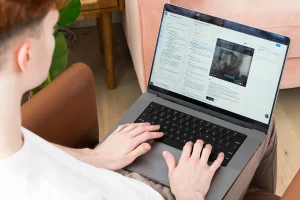
As technology continues to shape everyday routines, the way people organize their time, tasks, and environments is evolving. Digital tools are no longer limited to productivity alone; they are influencing how individuals structure their lifestyles, manage responsibilities, and create balance between work and personal life. This shift reflects a broader understanding that organization is not just about efficiency, but also about clarity and control.
At the same time, lifestyle choices are becoming more intentional. People are looking for ways to align their daily habits with their goals, using both digital and physical solutions to create systems that support consistency. The result is a more integrated approach where organization and lifestyle design work together.
Digital Tools Are Reshaping Daily Structure
Managing schedules, contacts, and tasks has become increasingly complex, especially as people juggle multiple responsibilities. Digital tools help simplify this process by centralizing information and making it accessible across devices.
Platforms like CompanionLink illustrate how synchronization and data management can streamline daily operations. By keeping information consistent and up to date, these tools reduce friction and allow individuals to focus on more meaningful activities rather than administrative tasks.
Personal Style Still Plays a Role in Organization
While functionality is essential, personal style continues to influence how systems are designed and maintained. People are more likely to stick with routines and tools that feel aligned with their preferences and identity.
This is reflected in lifestyle-focused brands like https://www.danireon.com/, where design and expression intersect with everyday choices. When personal style is integrated into organizational systems, it creates a sense of ownership that encourages consistency and long-term use.
Physical Organization Supports Digital Efficiency
Digital organization is most effective when it is supported by physical systems. Cluttered spaces can disrupt focus and make it harder to maintain structured routines, even when digital tools are in place.
Solutions such as WheeKeep highlight the importance of practical storage and mobility management. By creating order in physical environments, individuals can reinforce the efficiency of their digital systems, resulting in a more cohesive overall approach.
Flexibility Is Becoming a Key Priority
Modern lifestyles require flexibility, as routines often change based on work demands, travel, or personal commitments. Organizational systems need to adapt to these changes without becoming complicated or rigid.
This has led to the development of tools and solutions that are easy to adjust and scale. Whether digital or physical, flexible systems allow individuals to maintain structure while accommodating new circumstances.
Productivity Is Shifting Toward Sustainability

The concept of productivity is evolving from short-term output to long-term sustainability. People are becoming more aware of burnout and are seeking ways to maintain performance without compromising well-being.
This shift encourages the use of systems that support balance, rather than constant activity. Organization is no longer about doing more, but about doing what matters in a way that can be sustained over time.
Integration Between Systems Is Increasing
One of the most important developments in organization is the integration between different tools and environments. Digital platforms are increasingly designed to work together, reducing the need for manual coordination.
This integration extends beyond technology. Physical and digital systems are being aligned to create a seamless experience, where each element supports the others. The result is a more efficient and intuitive way of managing daily life.
Environmental Awareness Influences Organization
Sustainability is also influencing how people approach organization. There is a growing interest in reducing waste, choosing durable products, and creating systems that are both efficient and environmentally responsible.
According to the Environmental Protection Agency (EPA), reducing material waste and improving resource management are key steps toward more sustainable living. This perspective is shaping how individuals design their spaces and choose their tools.
Routine and Consistency Drive Long-Term Results
Consistency remains one of the most important factors in maintaining organization. Systems, no matter how well designed, are only effective if they are used regularly.
Building routines that align with personal habits helps ensure that organization becomes part of daily life rather than an occasional effort. Over time, this consistency leads to greater efficiency and a stronger sense of control.
A More Holistic Approach to Organization
The connection between digital tools, physical systems, and lifestyle choices reflects a more holistic approach to organization. Instead of treating each element separately, people are combining them into integrated systems that support their overall goals.
As this approach continues to develop, organization will become less about rigid structures and more about adaptable frameworks. These systems will prioritize clarity, flexibility, and alignment, helping individuals navigate increasingly complex routines with greater ease.

Passionate about exploring diverse ideas and sharing inspiration, I curate content that sparks curiosity and encourages personal growth. Join me at ElementalNest.com for insights across a wide range of topics.