
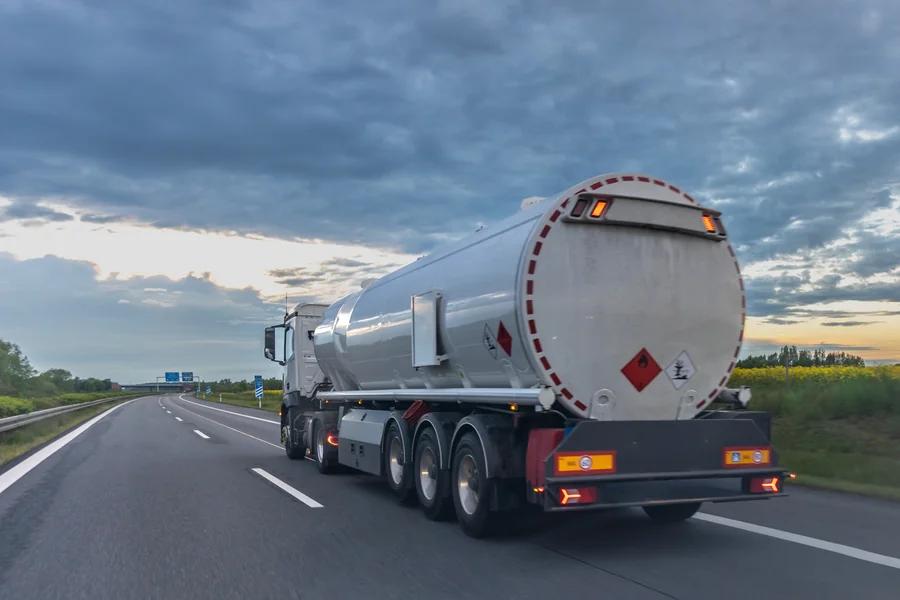
Dust is an unavoidable challenge on many outdoor projects, from road construction and earthworks to landscaping and site preparation. If left uncontrolled, airborne dust can cause poor visibility, make working conditions unpleasant, fall on other surfaces, and hinder daily activities.
The answer is not a greater use of water. Key to dust control is the correct application, the correct equipment, and the flexibility of the scheme as conditions on site change. A practical strategy like using water trucks can control dust without unnecessarily slowing down productive work.
Identify Where Dust Is Being Generated
It is important to first determine the activities and surfaces that are generating the highest amount of airborne dust. A variety of solutions may be necessary for vehicle traffic, exposed soil, stockpiles, grading, excavation, and material handling.
Only wet the area of the site where disturbance is greatest. This specific strategy can be used to maintain critical areas and reduce water consumption.
Match Water Application to Site Conditions
Dust is greatly affected by weather and ground conditions. Treated surfaces dry quickly when hot, dry, and windy, and will need to be treated less often in wet conditions. Observe the site throughout the workday rather than relying on a fixed schedule.
The problem could be because of application rate, coverage, traffic volume, or timing, and not just because the dust is not being stopped with additional water.
Choose Quality Water Trucks for Reliable Coverage
Equipment selection can make dust suppression much easier to manage. Quality water trucks can be used for various outdoor uses, ranging from civil building to roadwork and landscaping, and will have the capacity, pumping power, and spray setups necessary.
Water truck ranges consist of various capacities and configurations for dust suppression and civil works. The tank mounting, spray coverage, pump performance, maneuverability, and work area size are all factors that should be taken into account when selecting a truck.
The overall objective is to ensure that the equipment is able to keep up with the project and not constantly need to be refilled or repositioned.
Control Dust Without Overwatering
The more water, the less control of dust it does not necessarily imply. Overapplication can result in muddy surfaces, loss of vehicle traction, impact on compaction, or areas unnecessarily wet.
Controlled application is a better way to do this using adjustable spray patterns and flow rates. The increase in equipment options to use for adjusting coverage according to conditions can improve dust control while not adding to site issues and without wasting water.
Factors to Consider When Hiring Water Trucks
The selection of the right water truck depends on several factors for efficient and compliant dust suppression. Match the tank size to the project needs and worksite dimensions to avoid frequent refills. Look for spray patterns and adjustable flow rates. To balance a wide area, side sprays and specialized nozzles are best.
Before hiring the truck, check that the truck’s chassis and weight are suited to the site’s ground conditions; also keep in view the slopes and traffic at the site.

Passionate about exploring diverse ideas and sharing inspiration, I curate content that sparks curiosity and encourages personal growth. Join me at ElementalNest.com for insights across a wide range of topics.