
There are few sounds more unsettling to a new parent than a baby snuffling and snorting through a blocked nose. Infants rely heavily on breathing through their noses, especially while feeding, so even a mild cold can turn bottle and breast feeds into frustrating battles and leave everyone short on sleep. Unlike older children, babies cannot blow their noses, which means clearing the mucus falls to you.
Suction is one of the simplest ways to help your little one breathe more comfortably, but many parents feel nervous the first time they try it. Will it hurt? How far should the tip go? How often is safe? This tutorial answers those questions with a clear, gentle technique you can follow at home. You will learn how to prepare, how to position your baby, how to use saline to loosen stubborn mucus, and how to clean the device afterward. We will also cover the warning signs that mean it is time to stop troubleshooting and call your pediatrician.
Why a Stuffy Nose Hits Babies So Hard
Newborn nasal passages are tiny, so even a small amount of mucus can make a big difference in airflow. Babies breathe mostly through their noses for the first few months, and they must coordinate sucking, swallowing, and breathing during every feed. When the nose is blocked, they may pull off the breast or bottle repeatedly, gulp air, or become too tired to finish eating.
Congestion can come from colds, dry indoor air, mild irritants, or simply the normal “newborn snuffles” many babies have in the first weeks. In most cases it is harmless and short-lived, but comfort still matters. Gently removing excess mucus with a nasal aspirator before feeds and sleep can help your baby eat better and settle more easily. The aim is not to keep the nose perfectly clear all day, but to relieve the blockage at the moments when it causes the most trouble.
Choosing the Right Type of Aspirator
Aspirators come in a few main designs, and each has its own learning curve. Understanding how they work helps you pick one you will feel confident using.
Bulb Syringes
The classic rubber bulb is familiar from hospital nurseries. You squeeze the bulb, place the tip at the nostril, and release to create suction. The downside is that suction strength is hard to control, and the inside of the bulb is difficult to dry completely, which can lead to mold if it is not cleaned carefully.
Mouth-Powered Aspirators
These use a tube and a disposable filter, letting the parent create suction by gently inhaling. Many parents like the precise control they offer, although some find the idea uncomfortable.
Electric Aspirators
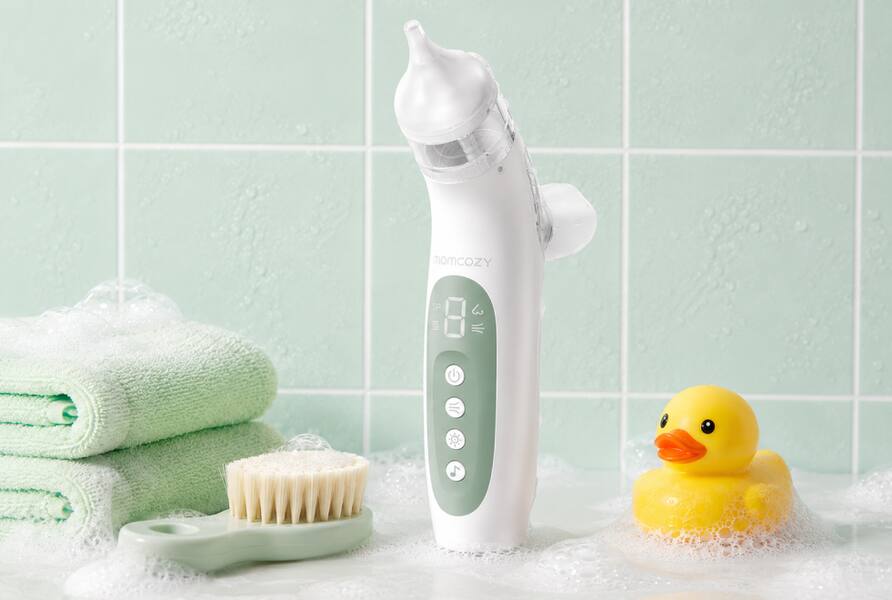
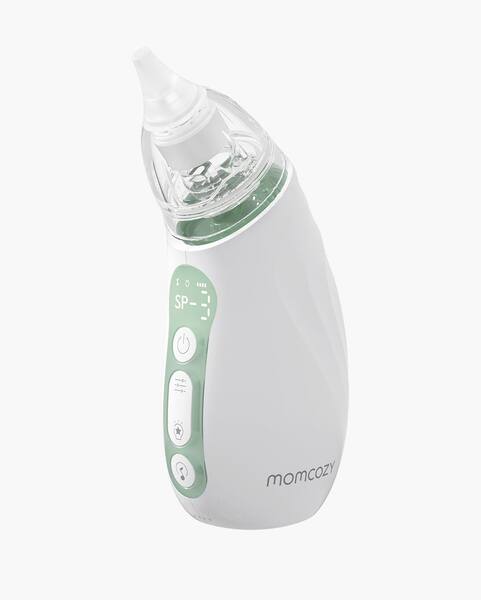
Battery-powered or rechargeable models provide steady suction at the press of a button, often with multiple levels and soft silicone tips in different sizes. They are especially handy for frequent use during a cold and for parents who want consistent, predictable suction. Momcozy offers electric options designed with soft tips and easy-to-clean parts, which suits families who prefer a quick, repeatable routine.
Getting Ready Before You Suction
A little preparation makes the whole process faster and less upsetting for your baby. Gather everything before you start:
- Your clean aspirator with the right-size tip attached
- Saline drops or a gentle mist made for infants
- Soft tissues or a burp cloth
- A light blanket for swaddling if your baby tends to wriggle
Wash your hands thoroughly. Choose a time when your baby is calm if possible, such as just before a feed rather than in the middle of a crying fit, since crying produces more mucus and makes the nostrils harder to reach. If you have a helper, one person can hold and soothe while the other handles the device. Speaking softly and keeping the room dim can also help a sleepy baby stay relaxed.
The Gentle Technique, Step by Step
Loosen the Mucus With Saline
Lay your baby on their back with their head tilted back slightly, or hold them semi-upright in the crook of your arm. Place one or two drops of saline into each nostril. Wait about thirty seconds to a minute so the saline can soften dried or thick mucus. This step often makes the biggest difference, since sticky mucus will not move easily with suction alone.
Position the Tip Correctly
Hold the aspirator so the tip rests just at the opening of one nostril, angled slightly toward the back of the head rather than straight up. The tip should form a seal at the entrance; it does not need to go deep inside. Pushing the tip too far can irritate the delicate lining and cause swelling or minor bleeding.
Suction Briefly and Switch Sides
Apply suction for just a few seconds, then remove the aspirator and wipe the tip. Repeat on the other side. If you are using an electric model, start on the lowest setting and increase only if needed. Stop if your baby becomes very distressed, and try again after a short break or a cuddle. Finish by wiping around the nose with a soft tissue and offering comfort or a feed.
How Often Should You Clear Your Baby’s Nose?
It can be tempting to suction every time you hear a snuffle, but overuse irritates the nasal lining and can actually increase swelling. For most babies, clearing the nose before feeds and before naps or bedtime is enough, which usually works out to a few times a day. If mucus is thin and your baby is feeding and sleeping well, you may not need to suction at all.
Supportive measures can reduce how often you reach for the device. Saline drops on their own, a cool-mist humidifier in the bedroom, and holding your baby upright for a while after feeds all help mucus drain naturally. Keep your baby’s sleep space flat and clear, though; do not prop the mattress or add pillows to raise their head.
Keeping Your Aspirator Clean
Mucus is full of germs, so cleaning after every use is essential. Disassemble the parts according to the manufacturer’s instructions, rinse away visible mucus with warm water, and wash with mild soap. Rinse thoroughly and let each piece air-dry completely on a clean towel before reassembling. Avoid storing the device while it is still damp, since trapped moisture encourages bacteria and mold. If your aspirator has parts that can be sterilized, do so periodically, especially after an illness has passed through the household.
Common Mistakes That Make Suctioning Harder
A few small errors can turn a quick routine into a tearful one. Skipping saline is the most common: dry, sticky mucus rarely budges with suction alone, so parents increase the strength or try again and again, which irritates the nose. Another mistake is trying to clear the nose while the baby is mid-cry, when the nostrils are full of fresh mucus and the baby is twisting away. Using a tip that is too large for a newborn, or pressing it in too firmly, can cause discomfort that makes your baby resist next time. Finally, some parents suction only one nostril and stop when the baby protests, leaving the other side blocked. Keep each attempt short, work calmly from one side to the other, and pause for comfort in between. Babies quickly learn to associate the routine with how they feel afterward, and a gentle, predictable approach makes future sessions much easier for both of you.
When to Call Your Pediatrician
Most congestion clears up on its own within a week or so, but some symptoms deserve a prompt call to your doctor. Contact your pediatrician if your baby is under three months old and has a fever, is breathing very fast, shows the skin pulling in between the ribs or at the neck with each breath, has bluish lips, refuses several feeds in a row, or has fewer wet diapers than usual. Thick discharge lasting more than ten days, ear pulling, or a worsening cough are also worth checking. Trust your instincts; if something feels wrong, it is always reasonable to ask.
Clearer Noses, Calmer Nights
Clearing a congested nose does not have to be a struggle. With saline to loosen mucus, a tip placed gently at the nostril opening, and short bursts of suction on each side, most parents find the routine becomes quick and almost automatic after a few tries. Timing matters as much as technique: aim to clear the nose before feeds and sleep, when relief makes the biggest difference, and resist the urge to suction constantly.
Keep your device clean and fully dry between uses, pair it with simple comfort measures like a humidifier and extra cuddles, and watch for signs that your baby needs medical attention. A stuffy nose is usually a passing nuisance, and with a calm, gentle approach you can help your little one breathe, feed, and rest more comfortably until it clears. Before long, you will handle congested nights with far more confidence than you did the first time.

Passionate about exploring diverse ideas and sharing inspiration, I curate content that sparks curiosity and encourages personal growth. Join me at ElementalNest.com for insights across a wide range of topics.