

Plancha cooking has revolutionized restaurant kitchens across America, yet many home cooks remain unfamiliar with this powerful technique.
This flat-top cooking method delivers restaurant-quality results through intense, even heat distribution.
Understanding plancha meaning opens doors to elevated flavors and professional cooking methods you can master at home.
What Is a Plancha? The Essential Kitchen Tool You Need to Know About
A plancha is a flat, smooth cooking surface typically made from cast iron, carbon steel, or stainless steel. Unlike traditional grills with grates, planchas provide continuous contact between food and heat source.
The word plancha literally translates to “iron” or “plate” in Spanish. Professional kitchens favor planchas because they reach temperatures exceeding 500°F while maintaining consistent heat across the entire surface.
Key characteristics of planchas include:
- Completely flat cooking surface
- Rapid heat conduction
- Even temperature distribution
- Minimal oil requirements
- Superior searing capabilities
Tracing the Spanish Roots of This Cooking Revolution
Spanish cuisine birthed the plancha cooking method centuries ago. Fishermen along Spain’s coastline used flat iron plates over open flames to prepare fresh catches.
Traditional Spanish planchas were simple cast iron plates placed directly over wood fires. This primitive yet effective method created the signature char and smoky flavors associated with authentic Spanish cooking.
The technique spread throughout Latin America during colonial periods. Each region adapted plancha cooking to local ingredients and preferences, creating diverse culinary traditions.
Modern planchas evolved from these humble beginnings. Today’s versions incorporate advanced materials and temperature control while maintaining the essential flat-surface principle.
How Plancha Cooking Works
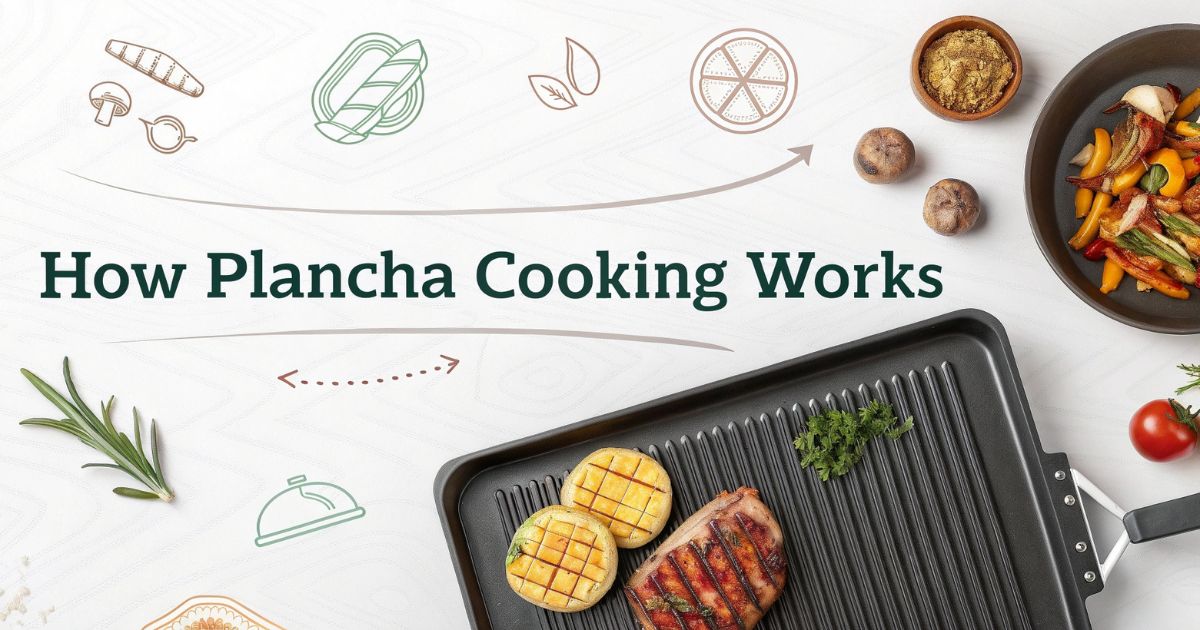
High-heat cooking on planchas creates the Maillard reaction, producing complex flavors and appealing colors. Surface temperatures between 400-600°F rapidly caramelize proteins and sugars.
The flat surface ensures maximum food-to-heat contact. This direct connection eliminates hot spots and cold zones common in traditional grilling methods.
Heat retention distinguishes quality planchas from inferior alternatives. Thick metal construction stores thermal energy, preventing temperature drops when food is added.
Minimal oil requirements make plancha cooking healthier than pan-frying. The intense heat sears food quickly, sealing in juices while creating crispy exteriors.
Understanding the Key Differences That Matter
Planchas operate at higher temperatures than standard griddles. While griddles typically max out around 350°F, planchas easily reach 500°F or higher.
Traditional grills use grates that create distinctive grill marks. Planchas provide even browning across the entire food surface without grill lines.
Material differences significantly impact cooking results. Planchas use heavy-duty metals that conduct and retain heat better than typical griddle materials.
Cooking versatility favors planchas for professional applications. The smooth surface accommodates delicate items like fish and vegetables that might fall through grill grates.
| Feature | Plancha | Griddle | Grill |
| Max Temperature | 500°F+ | 350°F | 600°F+ |
| Surface | Flat/Smooth | Flat/Textured | Grated |
| Heat Distribution | Even | Moderate | Uneven |
| Food Contact | 100% | 100% | Partial |
From Traditional Cast Iron to Modern Electric Models
Cast iron planchas remain the gold standard for serious cooks. These heavy-duty surfaces retain heat exceptionally well and develop natural non-stick properties over time.
Carbon steel planchas offer lighter weight with comparable heat retention. Professional kitchens often prefer carbon steel for its responsive temperature control and durability.
Stainless steel models provide easy maintenance and corrosion resistance. While lacking the heat retention of cast iron, stainless steel planchas suit casual home cooking.
Electric planchas deliver consistent temperature control without open flames. These countertop units work perfectly for apartment dwellers or indoor cooking enthusiasts.
Gas-powered planchas offer maximum heat output and precise control. Restaurant-grade models feature multiple burner zones for cooking different items simultaneously.
Mastering the Spanish Art of High-Heat Cooking
“A la plancha” literally means “on the plate” in Spanish. This technique emphasizes high heat, minimal oil, and quick cooking times.
Proper preheating is crucial for plancha success. Allow 10-15 minutes for the surface to reach optimal temperature before adding food.
Oil application should be minimal and strategic. Use heat-resistant oils like avocado or grapeseed, applying thin layers to prevent sticking.
Food preparation matters significantly. Pat proteins dry and bring them to room temperature for even cooking. Cut vegetables uniformly for consistent results.
The cooking process requires attention and timing. Most items cook in 2-6 minutes per side, depending on thickness and desired doneness.
What Professional Chefs Cook on These Flat-Top Surfaces
Seafood preparations showcase plancha cooking beautifully. Fresh fish, scallops, and prawns develop perfect crusts while maintaining tender interiors.
Vegetable medleys benefit from plancha’s even heat distribution. Peppers, onions, zucchini, and asparagus caramelize beautifully without burning.
Meat preparations range from thin steaks to chorizo sausages. The intense heat creates restaurant-quality sears on proteins of all types.
Specialty items like halloumi cheese, tortillas, and even fruits work wonderfully on planchas. Creative chefs continuously expand plancha applications.
Popular plancha dishes include:
- Gambas a la plancha (grilled shrimp)
- Verduras a la plancha (grilled vegetables)
- Pulpo a la plancha (octopus)
- Chorizo a la plancha (Spanish sausage)
Why Restaurants Choose This Method Over Traditional Grilling
Speed and efficiency drive restaurant adoption of plancha cooking. The flat surface accommodates more food items simultaneously than traditional grill grates.
Consistent results matter in commercial kitchens. Planchas eliminate hot spots and flare-ups that can ruin expensive ingredients.
Healthier cooking appeals to health-conscious diners. Minimal oil requirements and quick cooking times preserve nutrients while reducing added fats.
Versatility allows restaurants to prepare diverse menu items on single equipment. From delicate fish to hearty vegetables, planchas handle everything.
Easy maintenance reduces kitchen labor costs. Smooth surfaces clean more easily than grooved grill grates, saving valuable prep time.
Studies show that 80% of high-end restaurants now incorporate plancha cooking into their operations, citing consistency and quality as primary factors.
Step-by-Step Guide for Perfect Results Every Time
Step 1: Preheat properly. Allow 10-15 minutes for gas planchas or 20-25 minutes for electric models to reach optimal temperature.
Step 2: Test temperature. Sprinkle water droplets on the surface. Immediate sizzling and evaporation indicate readiness.
Step 3: Apply oil sparingly. Use paper towels to spread thin oil layers across the cooking surface.
Step 4: Cook methodically. Place food items strategically, leaving space between pieces for even cooking.
Step 5: Monitor carefully. Most items cook quickly, requiring attention to prevent overcooking.
Step 6: Rest and serve. Allow proteins to rest briefly before serving to redistribute juices.
Temperature zones can be created on larger planchas by adjusting individual burner settings. This technique allows simultaneous cooking of items requiring different heat levels.
Keeping Your Cooking Surface in Prime Condition
Daily cleaning prevents buildup and maintains non-stick properties. Scrape debris while the surface remains warm, then wipe with damp cloths.
Seasoning protocols vary by material type. Cast iron planchas require regular oil treatments to prevent rust and improve non-stick qualities.
Deep cleaning should occur weekly for frequent users. Use specialized grill stones or scrapers to remove stubborn residue without damaging the surface.
Storage considerations protect plancha surfaces from moisture and contamination. Cover outdoor units or store indoor models in dry locations.
Professional maintenance may be necessary for commercial-grade equipment. Annual inspections ensure optimal performance and safety compliance.
Proper maintenance extends plancha lifespan significantly. Well-cared-for cast iron planchas can last decades with regular use.
Traditional Spanish Dishes That Showcase This Technique
Gambas al Ajillo a la Plancha features prawns cooked with garlic and chili oil. The high heat creates perfectly caramelized exteriors while keeping interiors succulent.
Pimientos de Padrón showcases the plancha’s vegetable-cooking prowess. These small peppers blister beautifully, developing smoky, complex flavors.
Pulpo a la Plancha demonstrates plancha’s ability to handle challenging proteins. Tender octopus develops a magnificent crust while remaining perfectly cooked inside.
Chorizo a la Plancha allows the sausage’s natural fats to render while creating appealing grill marks across the surface.
Each recipe emphasizes minimal ingredients and maximum flavor – hallmarks of excellent plancha cooking. Simple preparations allow the technique to shine.
What to Look for When Buying Your First Plancha
Size considerations depend on cooking needs and available space. Home cooks typically need 15-20 inch surfaces, while commercial operations require larger models.
Material choices significantly impact performance and maintenance requirements. Cast iron offers superior heat retention but requires more care than stainless steel.
Heat source compatibility matters for installation and operation. Ensure your chosen plancha works with available gas connections or electrical capacity.
Budget parameters range from $200 for basic home models to $3,000+ for professional equipment. Quality construction justifies higher prices through longevity and performance.
Brand reputation influences long-term satisfaction. Established manufacturers provide better customer support and replacement parts availability.
Top-rated plancha brands include:
- Blackstone (outdoor/home use)
- Camp Chef (portable models)
- Plancha International (professional grade)
- Lodge (cast iron specialists)
How Different Cultures Interpret Plancha Cooking
Argentine asado culture incorporates plancha cooking alongside traditional grilling methods. Large social gatherings often feature plancha-cooked vegetables and seafood.
Mexican taqueria traditions use plancha-style flat-tops for preparing meat fillings and warming tortillas. The technique ensures consistent results in high-volume operations.
French cuisine adapts plancha principles in “à la plancha” preparations. High-end French restaurants use this method for delicate fish and vegetable dishes.
American interpretations focus on outdoor cooking and entertainment. Backyard plancha cooking has gained popularity among grilling enthusiasts seeking new techniques.
Each culture emphasizes different aspects while maintaining core plancha principles. The technique’s adaptability explains its global appeal and continued growth.
Choosing the Right Size and Style for Your Needs
Commercial planchas feature heavy-duty construction, multiple heat zones, and high BTU output. These units handle continuous operation in demanding restaurant environments.
Home planchas prioritize ease of use, compact design, and reasonable pricing. Most residential models offer sufficient performance for family cooking needs.
Key differences include:
- Heat output (30,000+ BTU commercial vs. 15,000 BTU residential)
- Construction materials (thicker metals in commercial units)
- Size options (up to 60 inches commercial vs. 36 inches residential)
- Price points ($1,000-$5,000 commercial vs. $200-$1,000 residential)
Space requirements often determine final choices. Measure available areas carefully before selecting plancha sizes.
Insider Secrets for Better Results
Temperature management separates good plancha cooks from great ones. Create multiple heat zones by adjusting individual burner settings strategically.
Timing coordination becomes crucial when preparing multiple items. Start longer-cooking ingredients first, adding quicker items as space becomes available.
Oil selection impacts both flavor and performance. Avocado oil works exceptionally well due to its high smoke point and neutral taste.
Food preparation details matter significantly. Remove excess moisture from proteins and vegetables to achieve proper searing without steaming.
Resting periods allow carry-over cooking to complete the process. Remove items slightly before full doneness to prevent overcooking.
Professional chefs recommend practicing temperature control before attempting complex dishes. Master basic techniques first, then advance to elaborate preparations.
Why This Method Beats Other Cooking Techniques
Minimal oil requirements reduce overall fat content in prepared foods. The high-heat searing seals in natural juices without added fats.
Nutrient retention improves with quick cooking times. Vegetables maintain more vitamins and minerals when cooked rapidly at high temperatures.
Reduced carcinogens result from even heat distribution. Unlike traditional grilling, planchas don’t create flare-ups that produce harmful compounds.
Fat drainage occurs naturally as rendered fats flow away from food items. This process creates healthier final dishes with better textures.
Portion control becomes easier with plancha cooking. The technique emphasizes natural flavors, reducing needs for heavy sauces or seasonings.
Research indicates that plancha-cooked foods contain 25-30% less added fat compared to traditional pan-frying methods.
What Beginners Should Avoid for Success
Inadequate preheating leads to food sticking and uneven cooking. Always allow sufficient warm-up time before adding ingredients.
Excessive oil application creates greasy results and potential flare-ups. Use minimal amounts spread evenly across the cooking surface.
Overcrowding prevents proper searing and steam generation. Leave adequate space between food items for optimal heat circulation.
Premature flipping disrupts crust formation and can cause sticking. Wait for natural release before attempting to turn items.
Temperature guessing results in inconsistent outcomes. Invest in surface thermometers for accurate temperature monitoring.
Poor maintenance shortens plancha lifespan and affects performance. Clean thoroughly after each use and season cast iron surfaces regularly.
FAQ’s
What does plancha mean?
Plancha is a Spanish term meaning “iron” or “flat plate,” referring to a smooth, flat cooking surface used for high-heat cooking. The word describes both the equipment and the cooking technique that originated in Spain.
What is a la plancha in Spanish?
“A la plancha” translates to “on the plate” or “grilled on a flat surface” in Spanish culinary terminology. Spanish restaurants use this term to indicate dishes prepared using the high-heat, flat-surface cooking method that creates distinctive flavors and textures.
What is a plancha in English food?
In English cuisine, a plancha refers to a flat-top cooking surface similar to a griddle but capable of higher temperatures. British chefs adopted this Spanish technique for preparing seafood, vegetables, and meats with superior searing capabilities.
What does plancha mean in French?
In French cooking, “plancha” maintains its Spanish origins while describing the flat-surface cooking technique used in modern French kitchens. French chefs use “à la plancha” to indicate dishes prepared on flat, high-heat surfaces rather than traditional French cooking methods.
Conclusion
Plancha cooking transforms ordinary ingredients into extraordinary dishes through intense heat and precise technique. This Spanish-originated method delivers restaurant-quality results while promoting healthier cooking practices. Whether you choose cast iron tradition or modern electric convenience, mastering plancha meaning and application elevates your culinary capabilities significantly.

Passionate about exploring diverse ideas and sharing inspiration, I curate content that sparks curiosity and encourages personal growth. Join me at ElementalNest.com for insights across a wide range of topics.