
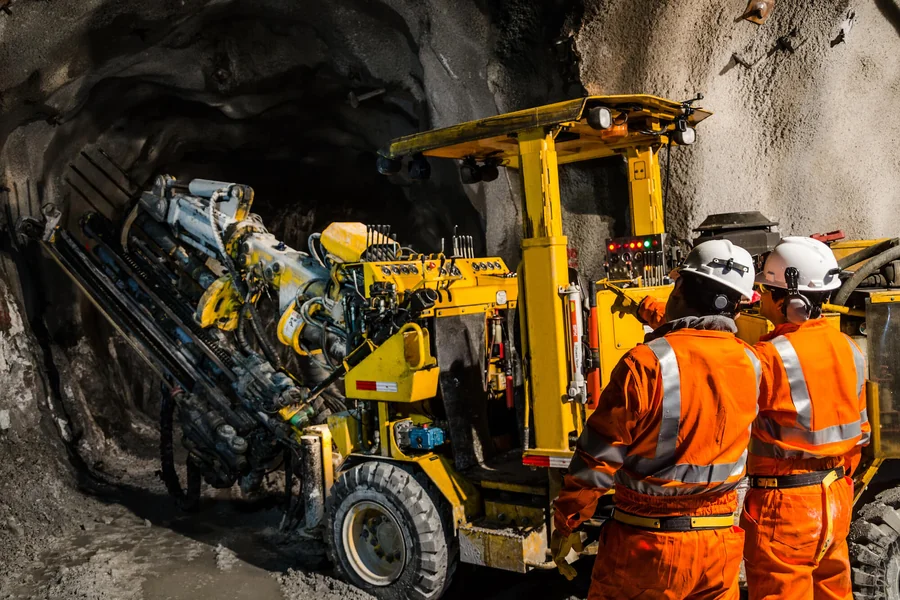
The mining industry has historically had significant environmental impacts due to excavation practices, energy consumption, and machine emissions. It’s crucial to examine the extent to which mining machinery contributes to these impacts, while also considering recent advancements aimed at mitigating them. Technologies like self-drilling bolts highlight a broader trend in the industry towards more sustainable practices. As we explore the intricate balance between necessary resource extraction and environmental stewardship, the role of modern equipment becomes pivotal.
The Legacy of Environmental Impact from Mining Machinery
Mining machinery has traditionally played a significant role in facilitating resource extraction, but not without harming the environment. Heavy equipment like bulldozers, excavators, and trucks are essential for excavating large areas and transporting materials. However, their operations often lead to deforestation, habitat disruption, and soil erosion. This ecological strain is why the market has shifted toward smarter engineering, with advanced Komatsu excavators for sale now featuring highly efficient hybrid powertrains and intelligent GPS telemetry to reduce ground disturbance. These specialized innovations ensure that modern resource extraction minimizes unnecessary earth displacement while drastically cutting down on fuel consumption. Additionally, the emissions from traditional diesel engines contribute to air pollution, exacerbating climate change challenges on a global scale.
Advancements in Sustainable Mining Technologies
Modern engineering innovations have led to the development of more efficient and eco-friendly mining equipment. Electric and hybrid vehicles are beginning to replace traditional diesel machinery, significantly reducing carbon emissions. Automation and remote operations are also enhancing precision in mining tasks, thus conserving energy and minimising environmental disturbances. Furthermore, water management systems and energy-efficient ore processing technologies are being integrated, reducing the ecological footprint of mining activities.
Role of Self-Drilling Bolts in Modern Mining
One specific example of sustainable mining technology is the use of self-drilling bolts. These bolts are designed for immediate load-bearing capabilities and require less material for installation compared to traditional bolting methods. They improve operational efficiency by reducing installation time and enhancing ground support. The utilisation of these bolts signifies a shift towards not only safer mining practices but also a reduced environmental impact due to lessened machinery use and quicker excavation processes.
Regulatory Measures and Corporate Responsibility
Governments and international agencies are increasingly implementing stricter environmental regulations on mining operations. Compliance with these regulations is compelling companies to adopt greener technologies and more responsible mining practices. Corporate responsibility initiatives are also pushing for transparency and sustainability, encouraging mining companies to invest in equipment that minimises environmental harm while ensuring economic viability. These measures play a crucial role in guiding the industry towards a more sustainable future.
Future Directions and Challenges
While advances in mining technologies are promising, challenges remain in achieving industry-wide sustainability. Transitioning existing infrastructure to accommodate new equipment is costly and often time-consuming. Moreover, the demand for minerals continues to rise with global industrialisation, resulting in relentless pressure on mining operations. Future directions will likely focus on research and development, fostering innovation that aligns with environmental conservation. Collaboration across sectors, along with public awareness, will also be integral in reducing the environmental impact of mining machinery.
Ben Austin is the founder and CEO of Absolute Digital Media, a UK-based SEO and digital marketing agency established in 2008. The agency specialises in regulated industries including iGaming SEO, financial services, legal, and healthcare, and has accumulated over 175 industry awards. Ben has 17 years of hands-on experience in technical SEO, link acquisition, and search strategy for compliance-sensitive sectors. He writes on organic search, AI-driven visibility, and LLM citation optimisation.

Passionate about exploring diverse ideas and sharing inspiration, I curate content that sparks curiosity and encourages personal growth. Join me at ElementalNest.com for insights across a wide range of topics.