
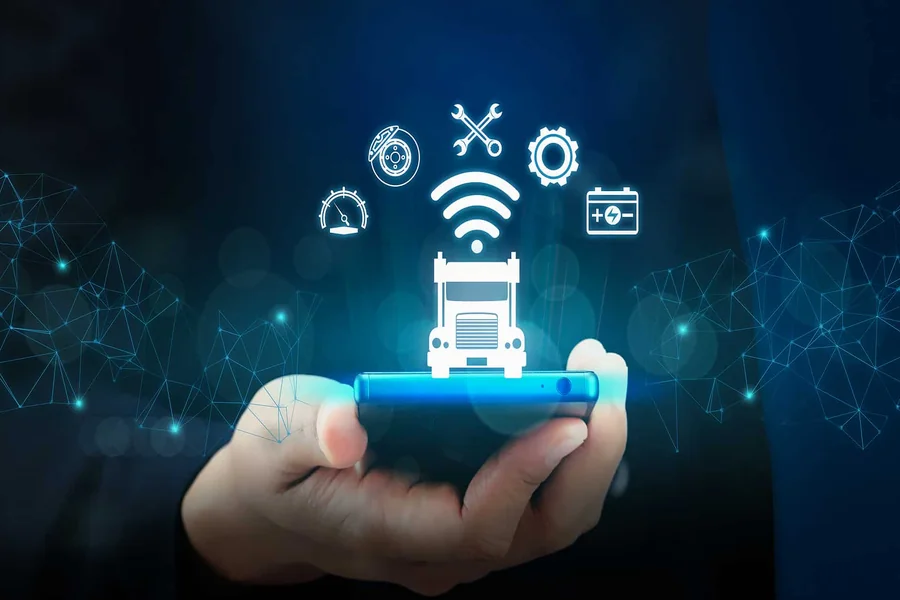
The rapid growth of connected vehicles, telematics, and cloud technologies has transformed how organizations manage their fleets. Today, fleet operators need real-time visibility into vehicles, drivers, and cargo to respond quickly to changing road conditions, optimize routes, reduce fuel consumption, and maintain high service levels. As fleets become larger and more geographically distributed, access to accurate, live operational data is no longer a competitive advantage—it’s a business necessity. The global IoT fleet management market is expected to more than double by 2030, driven by increasing demand for connected fleet technologies and real-time operational intelligence.
At the core of remote fleet management is the Internet of Things (IoT), a network of connected devices, sensors, GPS trackers, and telematics systems that continuously collect and transmit data from vehicles and assets. These connected technologies provide fleet managers with instant insights into vehicle location, driver behavior, engine health, fuel usage, and cargo conditions. By turning real-time data into actionable insights, IoT helps organizations reduce operating costs, improve driver safety, increase asset utilization, and make faster, data-driven decisions across the entire fleet.
How Does IoT Enable Real-Time Fleet Monitoring?
IoT enables real-time fleet monitoring by connecting vehicles, drivers, cargo, and management systems through GPS, telematics, and smart sensors. This continuous flow of data gives fleet managers complete visibility into operations, allowing them to make faster decisions, improve safety, reduce downtime, and optimize costs.
Key IoT capabilities include:
- GPS tracking and vehicle location monitoring: Provides live vehicle locations, route tracking, geofencing, and accurate ETAs, helping dispatchers optimize routes and respond quickly to delays.
- Telematics for vehicle health: Monitors fuel consumption, engine diagnostics, mileage, battery health, and maintenance schedules. Predictive maintenance alerts help prevent breakdowns and extend vehicle lifespan.
- Driver behavior monitoring: Tracks speeding, harsh braking, rapid acceleration, excessive idling, and fatigue indicators to improve road safety, reduce fuel usage, and support driver coaching.
- Cargo condition tracking: Uses IoT sensors to monitor temperature, humidity, shock, vibration, door status, and shipment location, ensuring sensitive or high-value goods remain protected throughout transit.
- Instant alerts and remote diagnostics: Sends real-time notifications about engine faults, maintenance issues, geofence violations, or unsafe driving events, enabling faster issue resolution and minimizing operational disruptions.
Together, these capabilities create a connected fleet ecosystem that improves operational visibility, increases asset utilization, and supports more efficient, data-driven fleet management.
What Are the Biggest Benefits of IoT-Powered Fleet Management?
IoT-powered fleet management gives businesses access to real-time operational data, helping them improve efficiency, reduce costs, and make better decisions. By connecting vehicles, drivers, and assets through smart devices, organizations can proactively manage their fleets instead of reacting to issues after they occur.
Some of the biggest benefits include:
- Lower maintenance costs: Predictive maintenance identifies potential vehicle issues before they lead to breakdowns, reducing repair expenses and extending asset lifespan.
- Improved route optimization and fuel efficiency: Real-time GPS data and traffic insights help optimize routes, reduce unnecessary mileage, minimize idling, and lower fuel consumption.
- Enhanced driver safety and compliance: Continuous monitoring of driving behavior, including speeding, harsh braking, and excessive idling, promotes safer driving habits while supporting compliance with transportation regulations.
- Better asset utilization: Real-time fleet visibility helps businesses maximize vehicle usage, reduce idle time, improve scheduling, and minimize costly downtime.
- Higher customer satisfaction: Accurate ETAs, live shipment tracking, and proactive delivery updates improve transparency, helping businesses provide a more reliable customer experience.
By combining these capabilities, IoT-powered fleet management enables organizations to operate more efficiently, improve service quality, and gain a competitive advantage in increasingly complex transportation operations.
How to Build a Scalable IoT Fleet Management Solution
Building a scalable IoT fleet management solution requires a technology ecosystem that can collect, process, and analyze data from vehicles, drivers, and connected assets in real time. The goal is to create a flexible platform that grows with the business while improving operational visibility and efficiency.
A successful solution should include:
- Modern technology stack: Combine IoT sensors, GPS devices, cloud platforms, AI-powered analytics, and edge computing to capture, process, and analyze fleet data with minimal latency.
- Seamless system integrations: Connect the platform with fleet management software, transportation management systems (TMS), ERP solutions, maintenance platforms, fuel management tools, and other business applications to create a unified operational view.
- Strong security measures: Protect connected vehicles and sensitive business data with end-to-end encryption, secure APIs, role-based access control, device authentication, and continuous security monitoring.
- Scalable architecture: Use cloud-native infrastructure and modular components that can support growing fleets, additional vehicles, new IoT devices, and evolving business requirements without disrupting operations.
For organizations looking to accelerate digital transformation, COAX Software develops custom IoT-enabled fleet management solutions tailored to logistics and transportation businesses. Our expertise includes telematics platforms, cloud applications, AI-powered analytics, and seamless integrations with existing enterprise systems, helping companies build secure, scalable, and data-driven fleet operations.
Drive Smarter Fleets With IoT
IoT is transforming remote fleet management by providing real-time visibility into vehicles, drivers, and cargo while automating critical processes such as route optimization, predictive maintenance, and performance monitoring. Instead of reacting to issues after they occur, businesses can use connected data to make faster, more informed decisions that improve operational efficiency.
Organizations investing in IoT-enabled fleet technologies benefit from lower operating costs, enhanced driver safety, greater asset utilization, and improved customer service. As fleets continue to grow and supply chains become more complex, adopting scalable IoT solutions is essential for building resilient, future-ready operations. By implementing flexible platforms that evolve alongside business needs, companies can maximize the value of their fleet and maintain a competitive edge in an increasingly connected transportation industry.

Passionate about exploring diverse ideas and sharing inspiration, I curate content that sparks curiosity and encourages personal growth. Join me at ElementalNest.com for insights across a wide range of topics.