
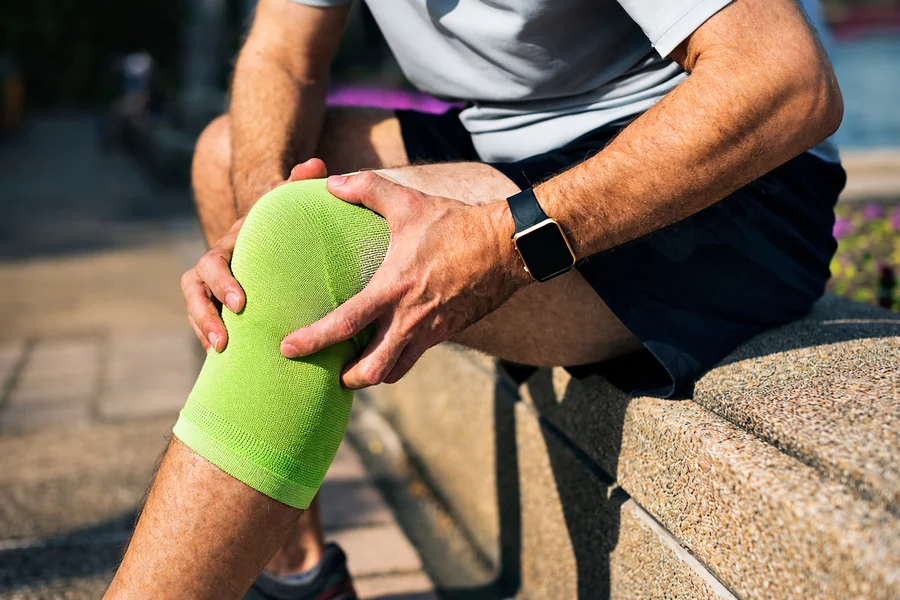
Selecting a knee support is a practical step toward managing physical discomfort. Many individuals face joint issues that make walking or standing a challenge. The market offers many options, which can make the decision difficult.
A knee cap is a specific type of sleeve designed for compression and warmth. It is different from a mechanical knee brace because it lacks rigid parts.
Choosing the best knee cap for pain relief requires a clear understanding of your symptoms.
1. Assessing Your Pain Level
The first step in searching for knee support is evaluating your pain. Not all knee issues require the same level of intervention. A dull ache from a long walk is different from a sharp pain caused by a ligament tear. You should determine if your pain is constant or if you feel it only during certain activities.
Common Pain Scenarios
- Mild Aching: This often happens after sitting for a long time or after light exercise.
- Morning Stiffness: The knee joint feels tight once you wake up, but loosens as you move around.
- Swelling: The area around the joint may appear puffy or feel tight when touched.
- Cold Sensitivity: The pain increases when the weather turns cold or damp.
- General Fatigue: Your legs feel heavy after a standard day of work or chores.
If you fall into these categories, a compression sleeve is often sufficient. It provides enough pressure to help the body manage these minor signals. If the pain is sharp or causes your leg to buckle, you may need a more advanced knee brace.
2. Measuring for the Correct Fit
A knee cap only works if it fits your leg accurately. If it is too loose, it provides no compression. If it is too tight, it may restrict blood flow and might cause more pain.
How to Measure Properly
- Use a Flexible Tape: For the most accurate results, use a cloth measuring tape.
- Measure the Thigh: Measure the circumference of your thigh about five inches above the center of the knee.
- Measure the Calf: Measure the widest part of your calf muscle below the knee.
- Center of the Knee: Measure directly around the joint while your leg is slightly bent.
- Check the Chart: Compare your numbers to the specific size chart provided by the manufacturer.
The best knee cap for pain relief will fit well but not hurt. It should stay in place while you walk, yet it shouldn’t leave deep red marks on your skin. When you are between two sizes, it is usually better to go with the bigger one so you don’t have problems with circulation.
3. Evaluating Material Quality
The material of your knee support affects both comfort and durability. Since this item sits directly against your skin, the fabric must be high quality.
Material Considerations
- Neoprene: This material is thick, and it retains a lot of heat. It is simply suitable for keeping the knee joint warm.
- Elastic Knit: This fabric is breathable and lightweight. It is suitable for individuals who stay in places with hot weather
- Moisture-Wicking: These fabrics pull sweat away from the skin. This prevents rashes and itching during long use.
- Latex-Free: If you have sensitive skin, make sure the knee cap does not contain latex to avoid allergic reactions.
- Anti-Slip Strips: Some supports have silicone strips at the top to prevent the sleeve from sliding down.
Durable materials make sure the knee cap retains its structure and compression through regular washing. In contrast, low-quality fabrics can lose their elasticity within weeks, limiting their ability to provide proper support.
4. Analyzing Design Features
Some knee cap designs are made with extra features to help with specific problems.
- Open Patella: A hole in the front reduces pressure on the knee cap bone itself.
- Gel Pads: These sit around the joint to provide extra cushioning against bumps.
- Side Stays: Small flexible coils on the sides provide a bit of extra stability without the bulk of a full knee cap
- Contoured Shape: A sleeve that is shaped as a human leg fits better than a straight tube of fabric.
- Reinforced Edges: This prevents the fabric from fraying or rolling up during movement.
When to Replace Your Support
A knee cap does not last forever.
- Loss of Compression: If the sleeve feels easier to put on than it used to.
- Constant Slipping: If you have to pull the support up several times an hour.
- Visible Damage: Look for holes, thinning fabric, or loose elastic threads.
- Skin Irritation: A worn-out brace can accumulate more dirt and cause skin issues.
- Odour: If the material retains an unpleasant smell even after being washed properly.
Tips For Integrating Support into Your Routine
A knee cap is a helpful aid, but it is not a standalone solution. It works best when included as part of a comprehensive joint care plan.
- Gradual Use: Start by wearing the support for a few hours a day to see how your skin reacts.
- Activity-Specific: Wear it during the activities that cause the most pain, such as grocery shopping or cleaning.
- Combine with Rest: Use the sleeve during the day and take it off at night unless a doctor says otherwise.
- Keep it Clean: Wash the knee support regularly to preserve the integrity of the fabric.
- Monitor Progress: Pay attention to whether your pain levels are actually improving with use.
Final Thoughts
Finding the best knee cap for pain relief depends on your discomfort symptoms. You must match the material and fit to your needs.
A good knee support provides compression to reduce swelling. It also offers warmth to help with stiffness. This is a simple way to stay active during the day. A sleeve is easier to wear under clothes than a heavy knee brace. It offers protection without being bulky. Always measure your leg carefully before buying.
Choose high-quality fabrics that last during daily use. These steps help you find the stability you need for a better life. Consistent use and proper care are important for long-term comfort. Taking care of your gear helps you move better. Use these tools to maintain your mobility and health over time.

Passionate about exploring diverse ideas and sharing inspiration, I curate content that sparks curiosity and encourages personal growth. Join me at ElementalNest.com for insights across a wide range of topics.