
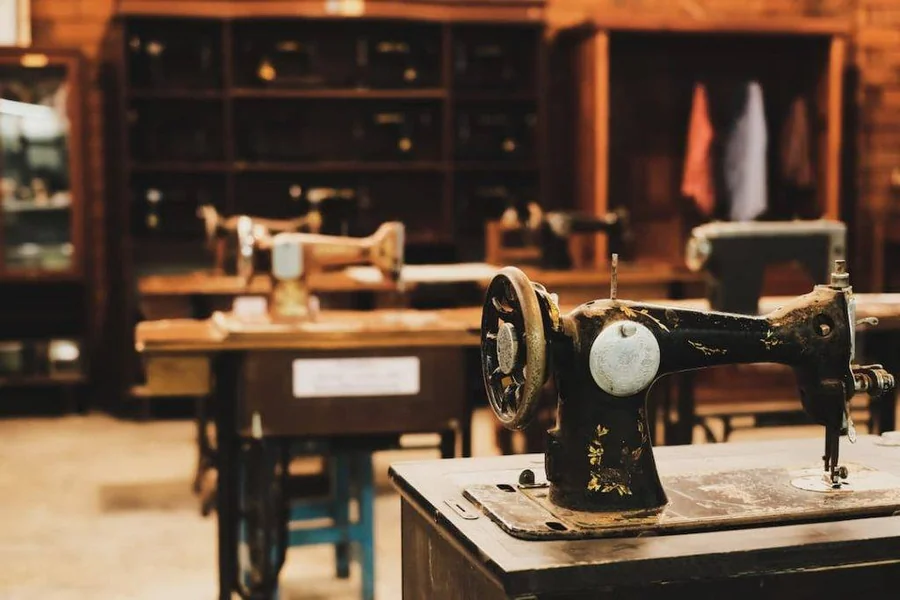
In an age of disposable everything, there is something quietly radical about a machine built in the 1950s that still works perfectly today. Vintage sewing machines, the heavy, all-metal workhorses from the brands that defined the category, are being rediscovered by a new generation, and the reasons say a lot about where taste is heading.
The first reason is simply that they were built to last. Older sewing machines were engineered from metal components with mechanical simplicity at their core. There is no software to become obsolete and far less plastic to crack. With basic care, a machine that is sixty or seventy years old can still sew a strong, even stitch, which is a claim very few modern appliances of any kind can make.
The second reason is the appeal of repairability. A vintage machine is something a person can actually understand. The mechanism is visible and logical, and when something wears out, it can usually be cleaned, adjusted, or replaced rather than written off. That is a refreshing relationship to have with an object, and it is the opposite of how most modern technology treats us.
Of course, repairability only works if the parts exist. This is the practical key to the whole revival. Keeping an older machine running depends on access to the right components, from bobbin cases and feed dogs to belts, needles, and tension assemblies. Specialist suppliers that stock parts and supplies for a vintage sewing machine across many makes and models are what make ownership realistic rather than a frustrating treasure hunt. A beautiful old machine with no path to spare parts is an ornament. The same machine with a reliable parts source is a tool you can use for decades.
There is also a creative and cultural pull. Sewing itself has grown as people look for slower, more hands-on hobbies, and a vintage machine fits that mood perfectly. It connects the maker to a long tradition of craft, it often carries a family story, and it produces work with a tactile quality that feels earned. For many people the machine is not just equipment. It is part of the appeal, and part of the reason the hobby feels meaningful rather than just productive.
It is worth saying that vintage does not mean fragile or difficult. Many of these machines are more forgiving than their modern counterparts, precisely because they were designed to be maintained by their owners rather than serviced by specialists. A little oil, a clean mechanism, and the occasional replacement part will keep most of them running smoothly.
The takeaway is that the vintage sewing machine revival is not pure nostalgia. It is a practical response to a real frustration with things that are designed to be replaced. A well-made machine, kept supplied with parts and given a little care, is genuinely better for many sewists than a disposable modern equivalent. The trend is less about looking backward and more about wanting objects that last.
Frequently Asked Questions
Are vintage sewing machines better than modern ones?
For many sewists, yes. They are typically more durable, more repairable, and built largely from metal, though modern machines offer more automated features.
Can old sewing machines still be repaired?
Usually, yes. Their mechanical simplicity makes them straightforward to clean, adjust, and fix, as long as replacement parts are available.
Where do you find parts for a vintage sewing machine?
Specialist suppliers stock parts and supplies for vintage and modern machines across many makes and models, which is what keeps older machines usable.
Why are vintage sewing machines popular again?
A mix of durability, repairability, the growth of slow hands-on hobbies, and a reaction against disposable products.
Is a vintage machine a good choice for a beginner?
It can be. Many are forgiving and simple to operate, and learning on a sturdy mechanical machine builds a solid understanding of how sewing works.

Passionate about exploring diverse ideas and sharing inspiration, I curate content that sparks curiosity and encourages personal growth. Join me at ElementalNest.com for insights across a wide range of topics.