
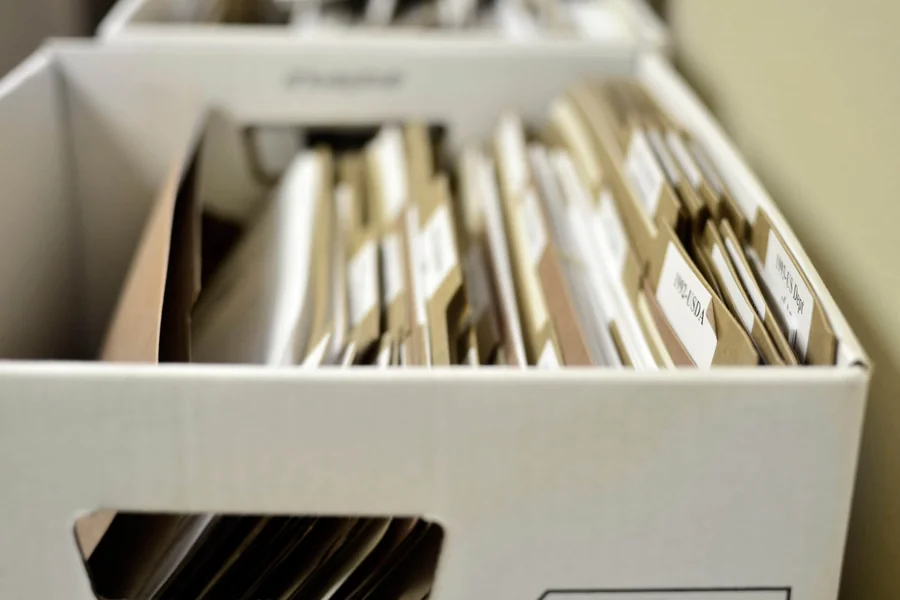
Most of us know that sensitive documents should not simply be tossed into the trash. Still, it happens all the time.
A bank statement gets mixed in with junk mail. An old pay stub ends up in the recycling bin. A stack of outdated paperwork sits beside the shredder for weeks because nobody gets around to dealing with it.
These little mistakes may seem harmless, but they can expose personal and financial information that you would rather keep private.
Document security is not only about locking files away while you are using them. It is also about making sure those files are handled properly when you no longer need them.
So, how safe are your document disposal habits?
Here are ten common shredding mistakes that can put private information at risk, along with simple ways to avoid them.
1. Throwing Sensitive Documents in the Regular Trash
It is tempting to look at an old document and think that nobody could possibly be interested in it.
That is not always a safe assumption.
Bank statements, tax documents, medical records, insurance paperwork, payroll information, and even certain pieces of mail can contain details that someone could misuse.
Simply tearing a document in half does not make that information disappear either. Names, addresses, account numbers, signatures, and other personal details can still be easy to read.
If a document contains information that you would not want a stranger to see, putting it directly into the trash is usually not the best choice.
Shredding makes it much harder for sensitive details to be recovered.
2. Waiting Too Long to Shred Documents You No Longer Need
Paper has a habit of piling up.
You start with one folder of old records. A few months later, there are three boxes sitting under a desk or tucked into a closet.
The more unnecessary documents you keep, the more information you have sitting around waiting to be exposed.
Old records can be lost during an office move, picked up by the wrong person, or simply forgotten in an unsecured room.
A better approach is to review documents regularly and securely destroy the ones you no longer need.
That does not mean shredding everything the moment you are finished reading it. Some records need to be kept for legal, financial, or business reasons.
The key is knowing what you need and getting rid of what you do not.
3. Shredding Important Records Too Soon
Holding onto documents forever can create problems, but destroying them too quickly can cause trouble too.
Certain tax, employment, legal, financial, and business records may need to be retained for a specific amount of time.
If you shred them before that period ends, you may later discover that you need a document for an audit, dispute, tax issue, or other important matter.
This is why a clear record retention policy matters.
Before destroying business records, make sure you understand how long they should be kept.
Good document security is not about shredding as much paper as possible. It is about destroying the right documents at the right time.
4. Assuming Any Shredder Will Do the Job
Not every shredder destroys documents in the same way.
Some basic machines cut paper into long strips. Others use cross cut or micro cut methods that turn documents into much smaller pieces.
That difference matters when you are handling sensitive information.
A simple shredder may be fine for everyday paperwork with limited personal information, but highly confidential documents may call for a more secure method.
Think about what is actually printed on the page.
Would you be comfortable if someone found those pieces in a recycling bag?
If the answer is no, it may be worth choosing a shredding method that provides a higher level of destruction.
5. Forgetting About Documents That Do Not Look Sensitive
Not every risky document looks important.
That is what makes this mistake easy to make.
A shipping label can contain your full name and address. A prescription document may reveal personal health information. An old pay stub can contain employment and financial details.
Expired identification cards, insurance documents, credit offers, receipts, and account notices may also contain more private information than you realize.
Reviewing basic shredding do’s and don’ts can help you spot documents that seem harmless but still contain enough information to create a privacy risk.
Before tossing something away, take a few seconds to look at what is printed on it.
Sometimes the smallest pieces of paperwork contain surprisingly useful information.
6. Putting the Wrong Materials Into Your Shredder
Shredders have limits.
Some machines can handle staples and small paper clips. Others cannot. Certain models are designed to destroy plastic cards, while basic paper shredders may become damaged if you try.
Binders, laminated materials, thick cardboard, and other items can also cause problems.
Trying to force unsuitable materials into a shredder can jam the machine or damage its cutting parts.
That creates another problem. Your documents may end up sitting around while you figure out how to repair the equipment.
Check the instructions for your shredder before feeding unfamiliar materials into it.
A few seconds of checking can save plenty of frustration.
7. Leaving Sensitive Documents Beside the Shredder
This one is especially common in busy offices.
Someone intends to shred a document, places it in a pile beside the machine, and plans to come back later.
Then the phone rings. A meeting starts. The workday ends.
The papers stay there.
If sensitive documents are left in an open area, anyone passing through the space may be able to see them. That could include employees, visitors, contractors, or cleaning staff.
Documents waiting to be shredded should be protected too.
Use a secure container or locked collection bin when paperwork cannot be destroyed immediately.
The information is still sensitive until the document is actually gone.
8. Putting Confidential Documents in Open Recycling Bins
Recycling paper is a good habit.
Putting readable confidential documents into an ordinary recycling bin is not.
Once paperwork enters an open recycling container, you may have little control over who handles it next.
Documents can sit in hallways, storage areas, loading zones, or outdoor bins before they are collected.
That creates plenty of opportunities for information to be seen or removed.
Sensitive documents should be securely destroyed before the paper enters the normal recycling process.
You can still support responsible recycling without leaving private information exposed.
9. Ignoring Shredding Rules at Work
A good document security policy only works when people actually follow it.
If one employee shreds sensitive paperwork while another throws the same type of document into the trash, your system has a weak point.
Clear guidelines remove the guesswork.
Employees should know which records need secure disposal, how long documents should be retained, where papers should be stored before destruction, and what shredding process to use.
Training helps too.
People are much more likely to follow security procedures when they understand why those procedures matter.
Keep the process simple, clear, and consistent.
10. Treating Shredding Like an Annual Cleanup
Waiting until the end of the year to deal with sensitive paperwork can create unnecessary risk.
Documents continue piling up month after month, and before long, you have boxes filled with information that should have been destroyed long ago.
Secure disposal works better when it becomes part of your normal routine.
That might mean reviewing files every month, emptying secure collection bins on a set schedule, or regularly checking which records have reached the end of their required retention period.
Small habits make a big difference.
When shredding becomes routine, there is less chance that confidential information will be forgotten, misplaced, or thrown away carelessly.
Make Secure Shredding Part of Your Routine
Most document security mistakes are not dramatic.
They are small decisions.
A paper gets tossed into the wrong bin. A confidential file sits on a desk for too long. Someone assumes an old statement no longer matters.
But those small decisions can add up.
Protecting private information means thinking about the entire life of a document, from the moment it is created to the moment it is securely destroyed.
Know which records you need to keep. Protect sensitive paperwork while it is waiting for disposal. Use an appropriate shredding method when the time comes.
And most importantly, make secure document disposal a regular habit.
A little extra care today can prevent a much bigger privacy problem later.

Passionate about exploring diverse ideas and sharing inspiration, I curate content that sparks curiosity and encourages personal growth. Join me at ElementalNest.com for insights across a wide range of topics.