
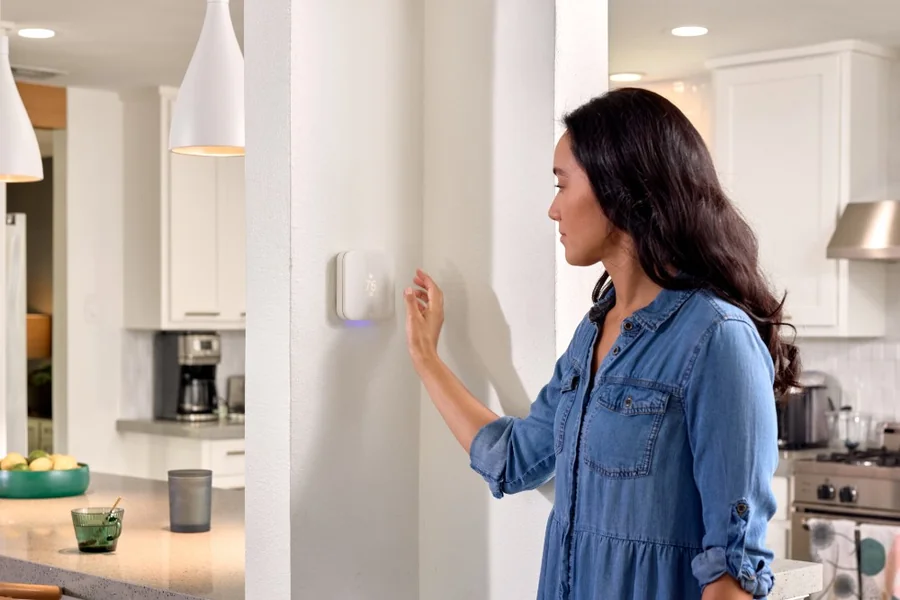
Smart home technology has moved beyond being a novelty for tech enthusiasts. Today, connected devices can make everyday routines easier, improve home security, reduce energy waste, and even help people manage their homes when they are away. The best part is that you do not need to turn your entire house into a futuristic showroom. A few carefully chosen devices can make a noticeable difference.
Smart Lighting
Smart bulbs are among the easiest ways to start building a connected home. They can be controlled from a smartphone or through voice commands, allowing you to switch lights on and off without getting up. Many also allow users to adjust brightness and, depending on the product, change colors.
You can create schedules too. For example, your bedroom lights can gradually come on in the morning, while outdoor lights can switch on automatically in the evening. These small automations can make your daily routine feel much more convenient.
Smart Security Devices
Home security has become another major area of smart technology. Video doorbells, security cameras, smart locks, and motion sensors can give homeowners greater awareness of what is happening around their property.
A smart doorbell, for instance, can notify you when someone approaches your front door, while a connected camera can allow you to check your home remotely. Some modern systems can also recognize particular types of activity and send alerts to your phone.
Smart Thermostats
Heating and cooling systems can consume a significant amount of energy, especially when they are running unnecessarily. Smart thermostats are designed to give homeowners more control over indoor temperatures and can learn schedules or respond to changing conditions.
Some models can be managed remotely through a smartphone, meaning you can adjust the temperature before arriving home rather than leaving the system running all day.
Smart Plugs and Appliances
You do not always need to replace an ordinary appliance with an expensive smart version. Smart plugs can add basic connectivity to existing devices. Depending on the plug and ecosystem, you can schedule when an appliance receives power or control it remotely.
Meanwhile, newer smart appliances are becoming increasingly capable. Connected refrigerators, washing machines, ovens, and robotic vacuums can communicate with other devices and provide useful notifications. The growing Matter standard is also making it easier for compatible products from different manufacturers to work together.
Smart Speakers and Voice Assistants
Smart speakers can serve as a central control point for many connected devices. Instead of opening several apps, you can use a voice command to adjust your lights, check compatible devices, or start an automation.
The real advantage comes when different devices work together. For example, saying “good night” could turn off the lights, lock compatible doors, and adjust the thermostat at the same time.
Start Small and Choose Carefully
The growing number of smart devices can make it tempting to buy everything at once. A better approach is to identify the areas of your home where technology would genuinely make life easier. Smart lighting, security cameras, a tab to play https://usplayercheck.com/online-casinos/, a smart plug, or a thermostat can be good starting points.
It is also worth checking compatibility before buying anything. Matter is designed to improve interoperability between supported products and major smart home platforms, although individual features can still vary between devices and ecosystems.
Ultimately, good smart home technology should make life simpler rather than more complicated. The goal is not to own the most gadgets, but to choose useful devices that quietly make your home more comfortable, secure, efficient, and convenient.

Passionate about exploring diverse ideas and sharing inspiration, I curate content that sparks curiosity and encourages personal growth. Join me at ElementalNest.com for insights across a wide range of topics.