
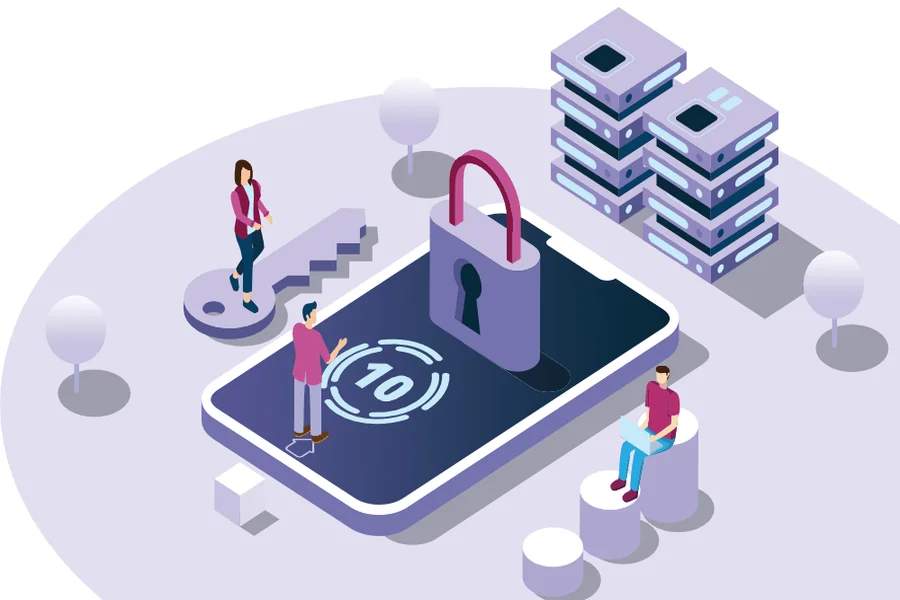
Being online has become part of everyday life. We shop, communicate, work, make payments, watch videos, and use social media without giving much thought to how much personal information we leave behind. While it is almost impossible to avoid sharing information completely, a few simple habits can make a meaningful difference to your online privacy.
Use Strong, Unique Passwords
One of the easiest places to start is with your passwords. Using the same password for several accounts may seem convenient, but it can create problems if one of those accounts is compromised. A strong, unique password for each important account makes it harder for someone to move from one compromised account to another. The FTC recommends using long passwords or passphrases and considering a password manager to create and store them.
Turn On Two-Factor Authentication
A password alone does not always provide enough protection. Two-factor authentication (2FA), also called multi-factor authentication, adds another verification step when you log in. This could involve an authentication app, security key, or verification code. Even if someone manages to obtain your password, the additional step can make unauthorized access much more difficult.
Review Your Privacy Settings
Take a few minutes to look through the privacy settings on your social media accounts, smartphone, browser, and frequently used apps. You may discover that some applications have access to your location, contacts, camera, microphone, or other information that they do not necessarily need.
Only provide permissions that make sense for the service. It is also worth checking these settings occasionally because app updates can introduce new features or permission requests.
Keep Your Devices Updated
Ignoring software updates can leave your devices exposed to security vulnerabilities that developers have already identified and addressed. Turn on automatic updates where possible for your operating system, browser, apps, and security software. Updates often include important security fixes, so installing them promptly is a simple way to strengthen your protection.
Think Before You Share
Privacy is not only about technology. It also depends on what you choose to share. Posting your full birthday, home address, phone number, travel plans, or other personal details publicly can give strangers more information than they need.
Before uploading something, consider whether you would be comfortable with that information being seen by someone outside your intended audience. The same caution applies to unexpected emails and messages. Avoid clicking suspicious links or providing sensitive information simply because someone asks for it.
Even when you’re using the internet for entertainment, such as browsing kingjohnnie casino online pokies, it is worth checking what information a website requests and understanding its privacy options before creating an account or sharing personal details.
Make Privacy a Regular Habit
Improving online privacy does not require becoming a cybersecurity expert. Start with stronger passwords, enable two-factor authentication, review app permissions, install updates, and become more selective about what you share. These small steps may take only a few minutes, but they can significantly improve your control over your personal information.
The internet will continue to play a major role in everyday life, so protecting your privacy should not be something you think about only after a problem occurs. Making good privacy habits part of your normal digital routine is one of the simplest ways to stay safer online.

Passionate about exploring diverse ideas and sharing inspiration, I curate content that sparks curiosity and encourages personal growth. Join me at ElementalNest.com for insights across a wide range of topics.