
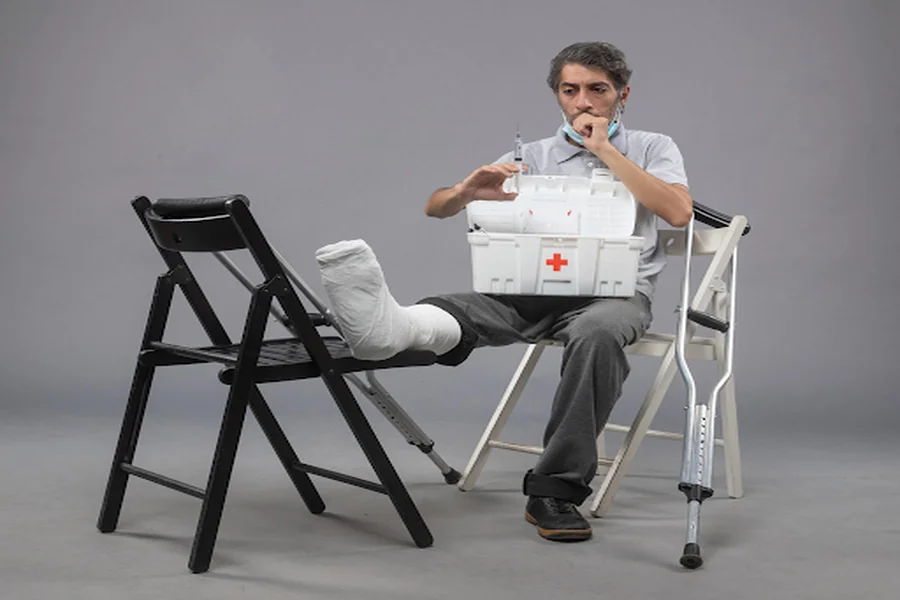
According to the workers comp lawyers at Bailey & Galyen, getting hurt on the job can feel overwhelming. Between pain, confusion, and worry about your paycheck, reporting the incident often gets pushed aside. But handling this process correctly protects your health, your rights, and your ability to receive support.
This guide walks you through each step, so you know exactly what to do if an injury happens at work. Following these steps in order gives you the best chance at a smooth recovery and a fair outcome.
Step 1: Get Medical Attention First
Your health always comes before paperwork. If you are injured, seek medical care right away, even if the injury seems minor at first. Some injuries, like strains or concussions, can worsen over time without proper treatment.
Tell the medical provider exactly how the injury happened and that it occurred at work. This detail matters because it creates an official record linking your injury directly to your job duties.
Keep every document from this visit. Discharge papers, prescriptions, and treatment notes all serve as proof later. Losing these records can make your claim harder to support down the road.
Step 2: Notify Your Supervisor Immediately
Once you have addressed any urgent medical needs, tell your supervisor about the injury as soon as possible. Most employers have strict deadlines for reporting, and waiting too long can hurt your claim.
Be clear and factual when describing what happened. Avoid guessing about causes you are unsure of, and stick to what you actually witnessed or experienced during the incident.
If your supervisor is unavailable, report to another manager or your human resources department instead. The goal is simply to make sure someone in leadership knows about the injury quickly.
Verbal reports matter, but they are not enough on their own. Always follow up with a written report, even a short email, so there is a timestamped record of when you spoke up.
Step 3: Document the Incident Properly
Solid documentation protects you if questions come up later about what really happened. The more detail you capture early, the stronger your position will be throughout the process.
Here is what you should gather and record:
- Write down the exact date and time the injury occurred
- Note the specific location where the incident took place
- List any coworkers who witnessed what happened
- Describe the equipment or conditions involved in plain language
- Take photos of the scene if it is safe to do so
- Save any texts or emails related to the incident
- Record your symptoms as soon as you notice them
Try to complete this documentation within the first day or two. Memory fades quickly, and small details can slip away faster than you expect once time passes.
Step 4: File the Official Report
After notifying your supervisor, you will likely need to complete a formal incident report. This document usually asks for details about the accident, your injury, and any immediate treatment received.
Fill this form out carefully and honestly. Avoid rushing through it just to get it over with, since inaccurate or vague answers can create problems if your claim gets reviewed later.
Request a copy of the completed report for your own records. Employers are generally required to provide this, and having it yourself protects you if the original ever gets misplaced.
If your workplace uses a digital reporting system, confirm that your submission actually went through. Technical glitches happen, and a report that never saved will not help your case.
Step 5: Understand the Workers Compensation Process
Once your report is filed, your employer should start the workers compensation claim process. This typically involves notifying their insurance carrier, who will then reach out regarding next steps.
You may be asked to see a specific doctor approved by the insurance company, depending on the rules in your area. Understanding these requirements early prevents delays in getting your treatment approved.
Stay in contact with whoever is handling your claim, whether that is a claims adjuster, human resources representative, or workers compensation coordinator. Regular updates keep everyone informed and reduce confusion.
Keep a simple log of every conversation you have about your claim. Note the date, who you spoke with, and what was discussed. This habit can save you real headaches later.
Step 6: Follow Through With Treatment and Recovery
Attend every follow up appointment your doctor schedules, even if you start feeling better. Missing appointments can raise questions about the severity of your injury and may slow down your claim.
Follow your treatment plan closely, including any restrictions on lifting, standing, or other physical activity. Ignoring medical advice can extend your recovery time and complicate your case unnecessarily.
If your condition changes, whether it improves or gets worse, tell your doctor and your employer right away. Keeping everyone updated ensures your treatment and claim stay accurate and current.
Common Mistakes That Hurt Your Claim
Many workers unknowingly weaken their own claims through small, avoidable errors. Waiting too long to report an injury is one of the biggest issues, since delays can raise doubts about legitimacy.
Downplaying symptoms is another common mistake. Some employees worry about seeming dramatic, so they minimize pain when talking to doctors or supervisors. This can lead to inadequate treatment and weaker documentation.
Posting about physical activities on social media during recovery can also cause trouble. Even innocent posts get misread sometimes, so it is wise to stay cautious while your claim is active.
Finally, avoid signing anything you do not fully understand. If paperwork from your employer or the insurance company feels confusing, ask questions before signing or consider getting outside guidance first.
Final Thoughts
Reporting a work injury correctly is not about following rules for their own sake. It is about protecting your health, your income, and your peace of mind during a stressful time.
By seeking care quickly, communicating clearly, and keeping thorough records, you give yourself the strongest possible foundation. These small, consistent actions add up to a much smoother path forward.
Every workplace and situation looks a little different, so when in doubt, ask questions. Supervisors, human resources teams, and workers compensation coordinators are there to help you navigate the process properly.

Passionate about exploring diverse ideas and sharing inspiration, I curate content that sparks curiosity and encourages personal growth. Join me at ElementalNest.com for insights across a wide range of topics.