
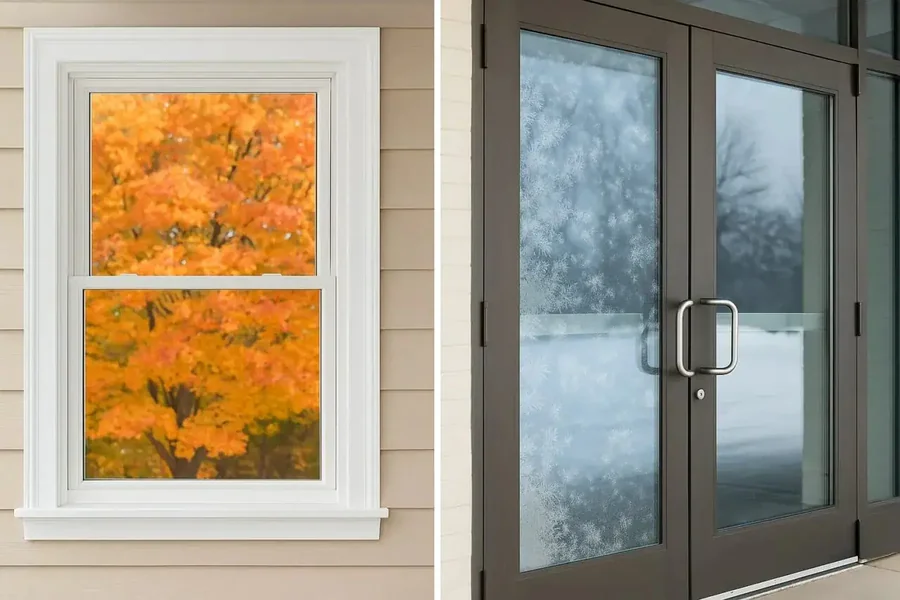
A window that moved easily in spring may drag during humid weather. A door that latched all summer may need an extra push after temperatures fall. The change can seem sudden, but noting when it happens can make the problem much easier to explain.
Seasonal changes can reveal trouble with fit, seals, hardware, tracks, glass, or nearby materials. The goal is not to blame every problem on the weather. It is to notice what changes, where it happens, and whether it keeps coming back.
When the Window or Door Binds at the Same Point
Open and close the window or door slowly and notice where it begins to resist. A sash that catches along one edge is different from one that stops suddenly in its track. A door that rubs near the upper corner is also different from a sweep dragging across the threshold.
Check accessible tracks for dirt and clean them according to ordinary care instructions. Then try the window or door again without forcing it. If it catches at the same point, write down the location and the weather conditions instead of repeatedly pushing harder.
When a Gap Appears or Changes
Look around the edges while the door or window is naturally closed. Check whether the seals still touch and whether the gaps look even. Torn, crushed, loose, or missing weatherstripping needs attention, but a new gap may also mean that the window or door no longer fits as it should.
When windows no longer close securely or exterior doors stop fitting properly, Chicago-area homeowners can turn to CapaHome for repairs involving hardware, frames, tracks, seals, or damaged glass.
Avoid filling a moving joint with sealant until you know why the gap has appeared. Covering it may make the problem harder to find later without helping the window or door close properly.
When the Lock or Latch Needs a Trick
A lock that works only when the sash is lifted or a latch that catches only when the door is pulled tightly gives you a useful clue. Look for loose parts, contact marks, or hardware that has shifted, but do not move the keeper or force the lock just to make the problem disappear.
Write down the trick that makes it work. “Deadbolt turns only while door is pulled inward” is much more useful than “lock sticks.” It also explains how the problem affects everyday use.
When Moisture Appears in a New Place
Moisture on the room-side surface of the glass can change with indoor humidity and temperature. Moisture trapped between panes is different. Photograph where and when it appears, and note whether it clears as conditions change.
Also look for cracked glass, loose glazing parts, staining, or frame material that looks damaged. Broken glass and windows or doors that no longer close securely should be handled sooner than minor issues that come and go.
When Several Problems Happen at the Same Window or Door
One window may begin to stick, fail to lock, and show a changing gap. Keep those details together in your notes instead of treating them as unrelated chores. Seeing the full picture can help a repair professional understand how the fit, hardware, seals, and frame may be affecting one another.
The opposite can be helpful too. If several windows around the home behave differently during the same weather, do not assume they all have one cause.
Keep a Short Seasonal Note
Write down five things:
- the room and exact window or door;
- what happens when you try to use it;
- the date and weather;
- whether locking or normal use is affected;
- what happened after safe, accessible cleaning and another try.
Photograph visible gaps, glass problems, and contact marks. For movement problems, a short note explaining what you did may be more useful than a still image.
Decide What Needs Attention Next
Take care of broken glass and problems that prevent secure closing promptly. Arrange a repair visit for fit, hardware, or seal problems that keep returning. If an issue is minor and comes and goes, choose a date to check it again instead of leaving it on an endless someday list.
A seasonal change is a clue, not the full explanation. A short, plain record shows whether the problem happens once, keeps returning, changes with the weather, or appears alongside other trouble. That makes it easier to describe what is wrong without guessing at the repair.

Passionate about exploring diverse ideas and sharing inspiration, I curate content that sparks curiosity and encourages personal growth. Join me at ElementalNest.com for insights across a wide range of topics.