
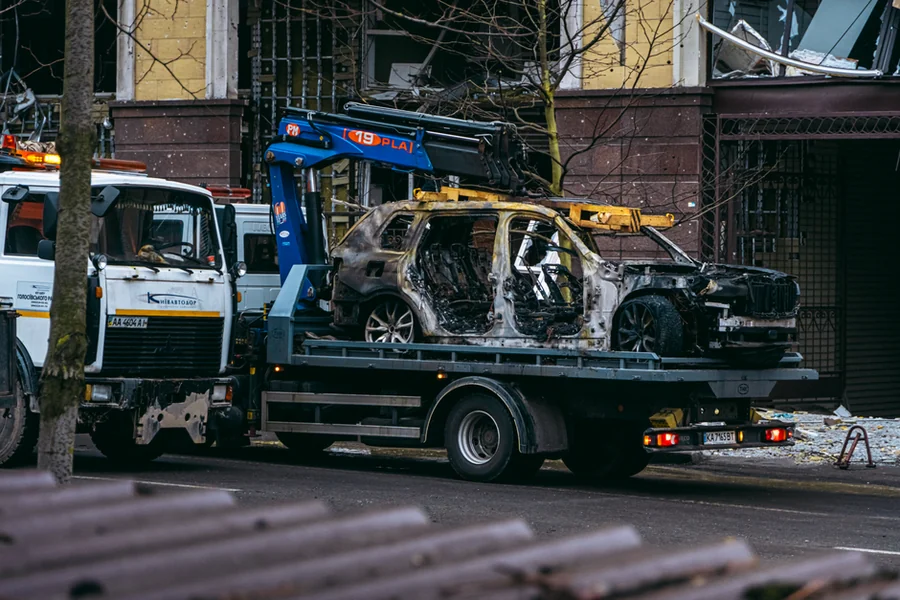
Having your vehicle towed is stressful enough. Discovering a cracked bumper, damaged suspension, or new mechanical problem after it is released can make the situation much worse. The challenge is proving when the damage occurred, identifying who may be responsible, and understanding which insurance policy could respond. A clear record and timely action can make a dispute easier to handle. The sooner you record the vehicle’s condition, the easier it may be to compare evidence, ask informed questions, and avoid preventable gaps in your account.
What qualifies as towing-related damage?
Towing damage generally refers to harm caused while a vehicle is being connected, lifted, transported, or unloaded. It may include scraped bumpers, cracked spoilers, undercarriage damage, bent wheels, suspension problems, or drivetrain issues caused by an unsuitable towing method.
However, a problem discovered after a tow is not automatically proof that the towing company caused it. A vehicle may already have had worn parts, collision damage, rust, or mechanical faults. The important question is whether the condition is new and whether it can reasonably be connected to the towing process.
Fresh scratches, paint transfer, broken clips, strap marks, or new fluid leaks may help establish when the damage occurred. A technician can assess whether the pattern is consistent with improper lifting or securing.
Understand the responsibility of the towing company
A towing company is not necessarily liable simply because damage is noticed after a vehicle has been transported. Depending on the circumstances and applicable state law, a claim may involve negligence, breach of contract, or failure to follow required procedures. The central issue is whether the operator used reasonable care and appropriate equipment.
This may involve choosing suitable equipment, following manufacturer instructions, securing the vehicle correctly, and accounting for low clearance, drivetrain requirements, or electric-vehicle considerations.
If you are trying to understand who pays when a tow damages your car, focus on the connection between the operator’s actions and the damage. Explain the suspected mistake rather than relying only on the fact that the vehicle looked fine beforehand.
Document the damage before leaving the lot
Before driving away, photograph the vehicle from all sides and take close-ups of every damaged area. Record the date, time, location, tow truck number, company name, and condition at release.
Request the tow receipt, dispatch record, condition report, and any pre-loading photographs. Record relevant employee comments, names, and conversation times.
Do not drive the vehicle if steering, braking, suspension, or drivetrain damage may make it unsafe. Arrange an inspection or transport to a repair facility instead. Driving it could worsen the damage and complicate the dispute.
Know how your insurance may be involved
Your auto policy may help, but coverage depends on its terms, exclusions, deductible, and the circumstances. Contact your insurer promptly and ask what documentation and inspections are required.
If your insurer pays for covered repairs, it may later seek reimbursement from the responsible party through a process known as subrogation. Preserve your evidence and cooperate with the investigation. A towing company’s insurance does not guarantee coverage for every claim.
The National Association of Insurance Commissioners’ guide to filing an auto claim explains why prompt reporting, organized records, and communication with the adjuster matter. Keep notes of calls, emails, claim numbers, and inspection or settlement decisions.
Why the type of tow can change the dispute
A roadside assistance tow, police-directed tow, and private-property impound can involve different contracts, procedures, and parties. A roadside tow may be based on a service request, while a police-directed tow can involve municipal rules. A private-property impound may raise questions about authorization, notice, and vehicle condition at pickup.
If the vehicle was already damaged in a collision or disabled before the tow, the company may argue that the disputed condition existed beforehand. Comparison evidence matters. Scene photographs, earlier inspection records, and a collision report may help separate pre-existing damage from transport-related harm.
Build evidence that supports your account
Support your claim with dated photographs, the tow invoice, dispatch details, condition reports, repair estimates, and a technician’s written findings. Ask the repair shop to describe the damage specifically and explain whether its location or pattern is consistent with improper towing. A detailed inspection can help explain both cost and cause.
Preserve dash-camera footage, parking-camera recordings, and relevant vehicle data before they are overwritten. Ask the repair facility to record relevant diagnostic codes and retain damaged parts for inspection when practical.
File the claim carefully and follow up
Notify the towing company in writing. State when the vehicle was collected and returned, when you noticed the damage, what appears to be affected, and what evidence you have. Request the company’s claims contact and insurance information if it disputes responsibility. Keep the notice factual and specific.
Notify your insurer even if you plan to pursue the towing company. Ask whether inspection is required before repairs. Document the damage and retain receipts and replaced parts. Follow the reporting deadlines in your policy and any applicable legal limitation periods; these can vary by state.
If the dispute involves substantial repair costs or the company refuses to respond, consider speaking with a consumer attorney or checking whether small claims court is appropriate. Keep copies of submissions and follow up in writing.
Turn a frustrating tow into a documented claim
A towing damage dispute is easier to assess when you can show what the vehicle looked like before and after transport, what the operator did, and why the damage may be connected to that work. Inspect the vehicle promptly, preserve records, seek a detailed professional assessment, and notify the relevant insurer or towing company without unnecessary delay.
Liability is not automatic, and the rules differ by location and circumstance. Still, a calm, evidence-based approach gives you a stronger foundation for asking questions, challenging an unsupported denial, and pursuing an appropriate resolution.

Passionate about exploring diverse ideas and sharing inspiration, I curate content that sparks curiosity and encourages personal growth. Join me at ElementalNest.com for insights across a wide range of topics.