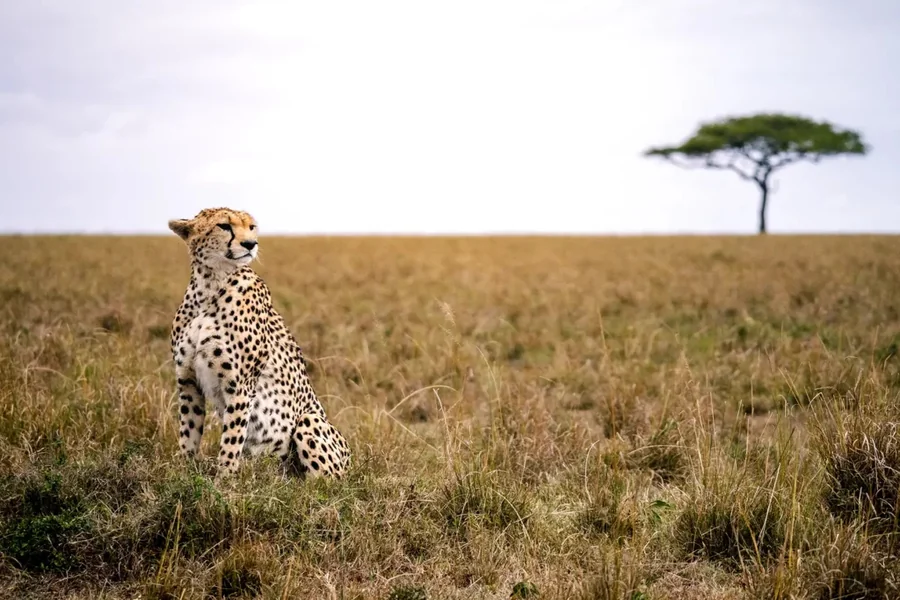
Kenya is famous for its wildlife, but there’s much more to discover beyond the traditional safari. From the vibrant streets of Nairobi to peaceful coastal villages and community-led conservation projects, the country offers plenty of opportunities to connect with nature and local culture.
A memorable trip takes more than booking a flight and choosing a safari lodge. Understanding the seasons, researching local experiences, and preparing your travel documents can make a real difference. It’s also worth checking the Kenya ETA requirements for travelers before departure, as most international visitors need electronic travel authorization, although exemptions apply.
Choose Experiences That Go Beyond Wildlife Watching
Seeing elephants in Amboseli or lions in the Maasai Mara is an unforgettable experience. However, Kenya’s landscapes and communities offer many other ways to explore the country.
Consider adding these experiences to your itinerary:
- Explore Nairobi: Visit local markets, art galleries, and restaurants to discover Kenya’s contemporary urban culture.
- Spend time at Lake Naivasha: Enjoy birdwatching, boat trips, and outdoor activities surrounded by the Rift Valley’s scenery.
- Discover the Swahili coast: Explore historic towns such as Lamu, where traditional architecture and maritime culture remain important parts of everyday life.
- Visit a community conservancy: Learn how local communities participate in wildlife protection and sustainable tourism.
For travelers planning their first visit, Lonely Planet’s guide to safari destinations offers useful information about Kenya’s parks, wildlife, and conservation areas.
Combining different experiences also creates a more balanced vacation. Rather than spending every day traveling between national parks, leave some room for slower activities and unexpected discoveries.
Find the Right Time to Visit Kenya
Kenya is a year-round destination, but the timing of your trip can influence everything from wildlife sightings to accommodation prices.
The dry season, particularly July through October, is popular for safaris. Wildlife is often easier to spot, and the annual Great Migration attracts visitors to the Maasai Mara.
However, traveling during quieter months has advantages. You may find fewer crowds, greener landscapes, and more affordable accommodation.
According to Lonely Planet’s seasonal travel guide, different months offer opportunities for birdwatching, hiking, beach vacations, and wildlife experiences.
Think about what matters most to you before choosing your dates. If you’re interested in cultural experiences or simply relaxing in nature, you don’t necessarily need to travel during the busiest safari season.
Make Responsible Tourism Part of Your Plans
Traveling responsibly doesn’t mean giving up comfort or avoiding popular attractions. Often, it comes down to making thoughtful choices about where you stay, how you travel, and which businesses you support.
Look for accommodations that employ local residents, reduce waste, and contribute to environmental conservation.
Organizations such as Ecotourism Kenya provide information about responsible tourism, local guides, and conservation-focused travel.
You can also make a positive difference through everyday decisions. Hire knowledgeable local guides, respect wildlife viewing distances, and ask permission before photographing people.
When visiting communities, choose experiences organized with local participation rather than those designed solely for tourists. This creates opportunities for more respectful cultural exchange.
Prepare for the Practical Side of Travel
Even the most exciting itinerary can become stressful if important details are left until the last minute.
Start by checking your passport’s validity, entry requirements, accommodation bookings, and transportation arrangements. Travelers who need an electronic travel authorization should allow time for processing before departure.
It’s also worth organizing digital and offline copies of essential documents, especially if you’re visiting areas with limited internet connectivity.
Packing requires some planning, too. Kenya’s climate varies considerably between regions. You might need lightweight clothing for the coast, comfortable walking shoes for outdoor activities, and warmer layers for early morning safaris.
For additional planning advice, Rough Guides’ Kenya travel tips cover transportation, budgeting, local customs, and practical considerations for first-time visitors.
Finally, consider leaving some flexibility in your schedule. Weather conditions, road journeys, and unexpected opportunities can all influence your plans.
Travel With Curiosity, Not Just a Checklist
It’s tempting to measure a vacation by the number of attractions visited or photographs taken. Yet some of the most rewarding travel experiences happen when you slow down.
Spend an afternoon exploring a neighborhood, try a regional dish you’ve never tasted, or take time to speak with your local guide about everyday life.
This approach reflects the ideas explored in Elemental Nest’s article about what your travel wish list says about you. Sometimes, the experiences we seek reveal as much about our personal interests as they do about the destinations themselves.
Kenya offers opportunities for adventure, relaxation, cultural discovery, and connection with nature. You don’t have to experience everything in a single visit.
A thoughtful itinerary, responsible travel choices, and proper preparation can help turn a trip into something more meaningful than a traditional sightseeing vacation.

Passionate about exploring diverse ideas and sharing inspiration, I curate content that sparks curiosity and encourages personal growth. Join me at ElementalNest.com for insights across a wide range of topics.