
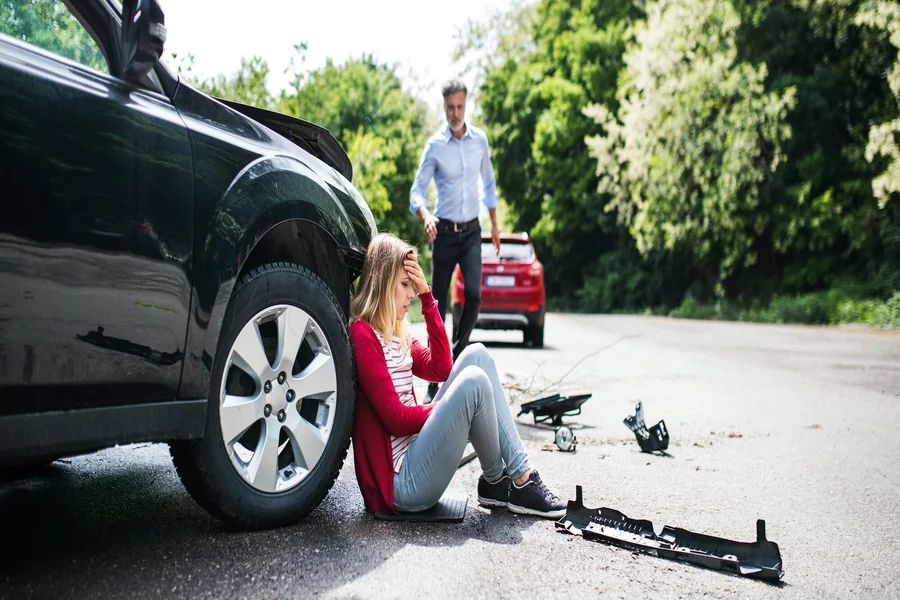
A drunk driving collision can leave victims facing painful injuries, lost income, vehicle damage, and uncertainty about their legal rights. Knowing what to do after a Missouri drunk driving crash can help protect your health and your ability to pursue compensation. However, mistakes made in the hours and days after a crash can make an injury claim harder to prove. Understanding these common errors can help Missouri drivers make informed decisions while recovering.
1. Delaying Medical Treatment
One of the biggest mistakes after a drunk driving crash is assuming that an injury is minor because the pain is manageable. Some injuries, including concussions, internal bleeding, and soft tissue damage, may not cause clear symptoms immediately.
Seeking medical attention as soon as possible helps identify injuries before they become more serious. Medical records also connect your injuries to the collision and document the treatment you need.
In Missouri, injured drivers and passengers should follow their doctors’ instructions, attend recommended appointments, and keep records of prescriptions, tests, and rehabilitation. Waiting too long to seek treatment may give an insurance company grounds to question whether the crash caused your injuries.
2. Leaving the Scene Without Reporting the Crash
Another serious mistake is failing to contact law enforcement when a drunk driver causes a collision. A police report can provide important information about the crash, the people involved, witness statements, and any observations suggesting impairment.
Missouri drivers should report collisions as required by law and cooperate with responding officers. If an officer suspects that a driver was intoxicated, the investigation may include field sobriety tests, chemical testing, and other evidence.
Do not assume that an arrest automatically proves every part of your injury claim. A criminal case and a civil injury claim serve different purposes. Evidence must still establish the driver’s responsibility and the damages caused by the collision.
3. Failing to Preserve Evidence
Evidence can disappear quickly after a Missouri drunk driving accident. Damaged vehicles may be repaired, surveillance footage may be erased, and witnesses may become difficult to contact.
When it is safe to do so, collect photographs of the vehicles, road conditions, traffic signals, visible injuries, and the surrounding area. Record the names and contact details of witnesses. Keep copies of the police report and any information about the other driver’s insurance.
Save medical bills, repair estimates, receipts, and records showing missed work. If a business or nearby property may have recorded the collision, ask that the footage be preserved promptly.
Strong evidence can help establish how the crash occurred, whether the driver was impaired, and how the collision affected your life.
4. Admitting Fault or Speculating About What Happened
After a frightening collision, people sometimes apologize or make statements before they understand the full circumstances. Even a casual comment may later be presented as evidence in an insurance dispute.
When speaking with police, provide truthful information about what you observed. Avoid guessing about vehicle speeds, distances, or events you did not see clearly. Do not accept responsibility simply to end an uncomfortable conversation.
Missouri follows a pure comparative fault system. An injured person may still recover damages when partly responsible for a collision, although the recovery can be reduced according to that person’s share of fault. The specific facts matter, so avoid making assumptions about liability before the evidence is reviewed.
5. Giving a Recorded Statement Without Preparation
Insurance adjusters may contact injured people shortly after a Missouri drunk driving crash. They may request details about the collision, medical treatment, employment, or previous injuries.
You should report the incident as required by your policy and cooperate with legitimate requests. However, be cautious about giving a recorded statement to the other driver’s insurance company before understanding your rights.
You may still be receiving treatment or waiting for doctors to determine the extent of your injuries. An incomplete answer could be used to challenge your account later.
Ask what information is required, review documents carefully, and consider obtaining legal advice before making detailed statements about disputed issues.
6. Accepting a Settlement Too Quickly
An early settlement offer may appear helpful when medical bills are arriving and income has decreased. However, accepting money before understanding the full extent of your injuries can create financial problems later.
Some injuries require months of treatment or lead to lasting physical limitations. Future expenses may include surgery, rehabilitation, medication, and changes to your ability to work.
Before accepting a settlement, consider current medical expenses, lost wages, pain, future treatment needs, and other losses supported by evidence. A signed release may prevent you from seeking additional compensation for the same incident.
Do not judge an offer only by how quickly the insurance company promises to pay. Make sure you understand what rights you would give up in exchange.
7. Posting Too Much on Social Media
Social media activity can create complications during a Missouri injury claim. Insurance companies or defense lawyers may review public posts, photographs, and videos when evaluating allegations about an injury.
For example, a photograph showing someone attending an event might be presented without explaining the pain, assistance, or limitations involved. A comment made in frustration could also be taken out of context.
Avoid discussing fault, settlement negotiations, or medical details online while your claim is active. Do not exaggerate your injuries, but do not feel pressured to prove your condition publicly either. Continue following medical advice and keep accurate records of your recovery.
8. Ignoring Missouri Filing Deadlines
Waiting too long to investigate legal options can put an injury claim at risk. Missouri law establishes deadlines for filing civil lawsuits, and the applicable period depends on the circumstances.
The relevant rules appear in the Revised Statutes of Missouri, Chapter 516. Because limitation periods and exceptions can vary, injured people should confirm the deadline that applies to their particular case rather than relying on a general online estimate.
A criminal prosecution against the impaired driver does not necessarily preserve a separate civil claim. Evidence gathering, negotiations, and medical treatment can take time, so it is wise to seek legal guidance early.
9. Overlooking the Full Cost of the Crash
A drunk driving collision can cause losses beyond emergency room bills and vehicle repairs. Injured people may lose wages, miss promotions, need help with daily activities, or experience ongoing pain.
Keep a record of expenses and changes in your daily life. Save pay stubs, employer statements, transportation receipts, and invoices for medical care. Follow your treatment plan and discuss continuing symptoms with your healthcare provider.
Missouri injury claims may involve economic damages, such as medical expenses and lost income, as well as non-economic damages, such as pain and suffering. The available recovery depends on the evidence, applicable law, and circumstances of the case.
10. Assuming Criminal Charges Guarantee Compensation
A drunk driver may face criminal penalties, but a criminal case does not automatically pay an injured person’s medical bills or replace lost income.
A civil claim generally requires evidence that establishes legal responsibility and the losses caused by the crash. Relevant evidence may include police findings, witness accounts, medical records, photographs, toxicology results when available, and insurance information.
Depending on the circumstances, compensation may be pursued through an insurance claim or a civil lawsuit. The driver’s available insurance coverage and other legally responsible parties may also affect the options available.
Protecting Your Rights After a Missouri Drunk Driving Crash
Avoiding these mistakes can help preserve evidence, support your recovery, and reduce unnecessary disputes with insurers. Seek prompt medical care, report the collision appropriately, keep organized records, and be careful when discussing the incident with insurance representatives.
If you have been injured by an impaired driver in Missouri, consider speaking with a qualified personal injury attorney about your circumstances. An attorney can explain applicable deadlines, assess available evidence, review settlement offers, and discuss whether pursuing a civil claim makes sense.
Taking practical steps early can help you make better decisions while focusing on your health and recovery. Although no process guarantees a particular outcome, careful documentation and timely action can put you in a stronger position to understand and protect your legal rights.

Passionate about exploring diverse ideas and sharing inspiration, I curate content that sparks curiosity and encourages personal growth. Join me at ElementalNest.com for insights across a wide range of topics.