
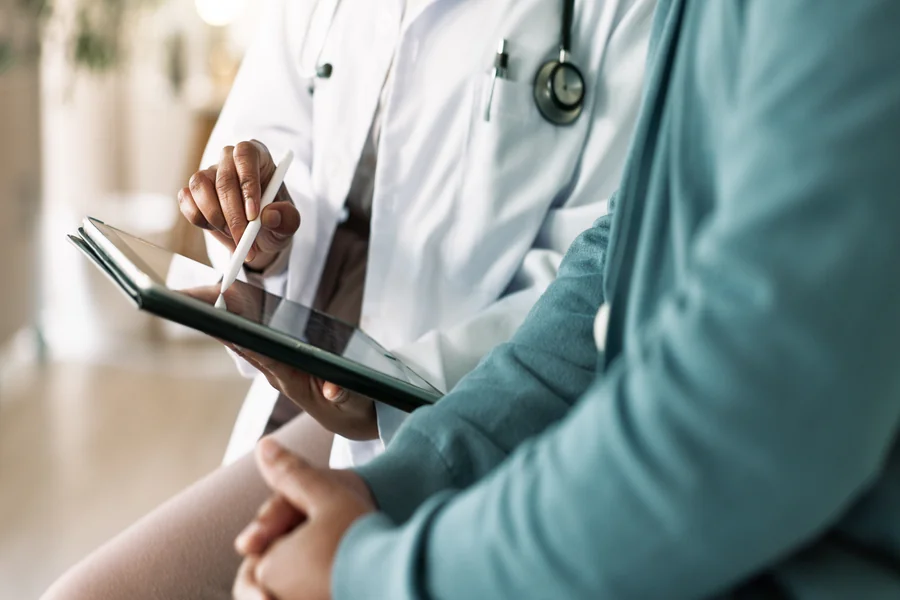
Artificial intelligence is becoming more common in hospitals and cancer treatment centers around the world. Many healthcare providers now use AI tools to help review scans, organize patient information, and support clinical decisions. Dr Andrew Ting believes these systems must prove they can perform well in real-world cancer care before doctors rely on them completely. While the technology shows promise, patient safety and accuracy must always come first.
The Growing Role of AI in Cancer Care
Medical AI has become an important topic in oncology because cancer diagnosis often depends on large amounts of medical data. Doctors review scans, pathology reports, and treatment histories to make quick, accurate decisions. AI systems are designed to help organize this information and identify patterns that may support patient care.
Hospitals are paying closer attention to AI as cancer cases continue to increase around the world. Many doctors are managing heavy workloads while caring for large numbers of patients with complicated treatment needs. AI tools may help ease some of that pressure by speeding up tasks like reviewing scans and organizing patient information.
Even with these benefits, many healthcare professionals believe AI should be approached carefully. A system may perform well during testing but still face problems once it is used in a busy hospital environment. Real patient care often involves challenges and unexpected situations that are difficult to fully recreate in controlled research studies.
Why Real World Testing Matters
Many AI systems look very promising during research studies where everything is carefully controlled. Real hospitals are very different because doctors work in busy environments, use various imaging machines, deal with varying scan quality, and see patients with complex medical histories every day. What works well in a study does not always perform the same way in actual clinical settings.
That is why real-world testing is such an important step before AI becomes widely used in cancer care. A system that performs accurately in one hospital may struggle in another with different equipment or patient populations. Testing these tools in everyday healthcare environments helps doctors identify weaknesses and understand how reliable the technology truly is during real patient care.
Andrew Ting has emphasized that medical AI needs to prove itself in real-world clinical settings before doctors can fully trust it. Strong and consistent performance across hospitals and patient groups is essential for patient safety. Careful testing also helps doctors and patients feel more confident in using AI in cancer diagnosis and treatment.
Challenges in Cancer Diagnosis
A cancer diagnosis can be difficult because many conditions can look similar on medical scans. Some tumors are hard to detect, while others may seem harmless in the early stages. Radiologists and cancer specialists use years of experience to recognize small warning signs that could point to a serious condition.
Some rare cancers can be harder to identify because they do not always show the usual signs doctors expect to see. When a case looks unusual, it may take additional testing and careful review to reach the right diagnosis and treatment plan.
The Importance of Reliable Data
Medical AI is only as good as the information it learns from. If the data used during training is incomplete, inaccurate, or too limited, the system may produce unreliable results. In cancer care, even small mistakes can have a serious impact on a patient’s diagnosis or treatment plan.
That is why it is important for AI systems to learn from a wide variety of patient cases. Training data should include people from diverse backgrounds, age groups, and health conditions so the technology performs well across many situations. A broader range of information also helps reduce bias and makes the system more dependable for different patient populations.
Experienced medical professionals also play a major role in making sure the data is accurate. Radiologists, oncologists, and pathologists carefully review scans and medical records to confirm everything is labeled correctly. Their oversight helps improve the quality of the AI systems being developed and makes the technology more trustworthy in real healthcare settings.
Balancing Innovation With Patient Safety
Many hospitals are excited about the future of AI in cancer treatment. Faster scan reviews and automated workflows may help healthcare providers improve efficiency and reduce delays. Some systems may even help doctors identify cancers earlier than before.
At the same time, patient safety must remain the highest priority. Healthcare providers cannot rely on technology that has not been properly tested in real clinical situations. Even small errors can create major problems when dealing with cancer diagnoses and treatment planning.
Careful review and double-checking help reduce mistakes and keep patient care safe. Doctors and specialists still examine results closely and confirm important findings before making decisions. In healthcare, it’s important to balance new technology with caution and professional judgment.
Building Trust Among Doctors and Patients
Doctors are usually more comfortable using AI tools when they can clearly see how the technology was developed and tested. Real results from hospitals and cancer centers help show whether these systems can truly support patient care in everyday situations. Healthcare providers also want to know that the technology can work safely and consistently before relying on it during treatment decisions.
Patients may have concerns about the use of artificial intelligence in cancer care. Some people worry that important details could be missed or that technology might replace personal medical judgment. Honest conversations from doctors can help patients understand that AI is designed to support healthcare professionals, not take their place.
Trust takes time whenever new technology enters healthcare. Doctors and patients both want reassurance that AI can improve care without affecting safety or accuracy. Strong testing in real clinical environments helps build confidence and shows whether these systems can truly help patients in meaningful ways.
Final Thoughts
Artificial intelligence has the potential to improve many parts of cancer diagnosis and treatment. Even so, healthcare providers must ensure that these systems perform reliably in real clinical environments before fully relying on them. Dr Andrew Ting believes strong testing and careful oversight are necessary to protect patient safety and maintain trust in medical technology.

Passionate about exploring diverse ideas and sharing inspiration, I curate content that sparks curiosity and encourages personal growth. Join me at ElementalNest.com for insights across a wide range of topics.