
Introduction
When it comes to enhancing outdoor living spaces, driveways, patios, walkways, and pool decks, stamped concrete has become one of the most popular choices among homeowners and commercial property owners alike. Offering the visual appeal of premium materials such as natural stone, brick, slate, or wood at a more affordable cost, stamped concrete delivers both beauty and functionality.
In recent years, the demand for decorative concrete solutions has continued to grow. According to industry reports, decorative concrete installations have increased by more than 15% over the past decade due to their versatility, durability, and cost-effectiveness. However, before investing in stamped concrete, it is important to understand its benefits, potential drawbacks, maintenance requirements, and long-term value.
Homeowners researching local specialists often come across companies like Decorative Concrete of Austin – Polished & Stained Concrete, which reflects the kind of experienced, regionally focused contractor that can make a meaningful difference in how a stamped concrete project turns out.
This guide covers everything you need to know before making a decision.
What Is Stamped Concrete?
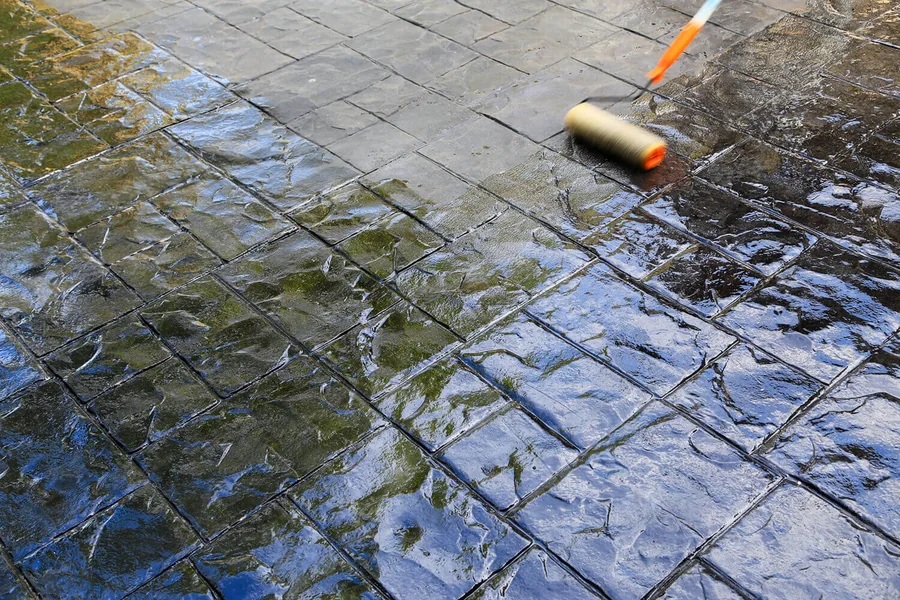
Stamped concrete is a decorative concrete surface that is patterned, textured, or embossed to resemble other materials such as brick, flagstone, slate, tile, cobblestone, or even wood planks. The stamping process occurs while the concrete is still wet, allowing contractors to create realistic textures and designs.
Coloring agents are often added to further enhance the appearance, making stamped concrete nearly indistinguishable from more expensive materials. The result is a customized surface that combines visual appeal with the strength of concrete.
Benefits of Choosing Stamped Concrete
Cost-Effective Alternative to Natural Materials
One of the biggest advantages of stamped concrete is its affordability. Natural stone and pavers often require extensive labor and material costs, while stamped concrete provides a similar appearance at a significantly lower price.
On average, stamped concrete can cost 20% to 40% less than installing natural stone or premium pavers, depending on the design complexity and location.
Wide Range of Design Options
Stamped concrete offers nearly unlimited customization possibilities. Homeowners can choose from various patterns, textures, and color combinations to match their property’s style.
Popular design options include:
- Stone-look patios
- Brick-style driveways
- Wood plank walkways
- Slate pool decks
- Custom geometric patterns
This flexibility makes stamped concrete suitable for both traditional and modern architectural designs.
Durability and Strength
Concrete is known for its durability, and stamped concrete is no exception. When installed correctly and maintained properly, it can last 25 years or longer.
Stamped concrete withstands:
- Heavy foot traffic
- Vehicle loads
- Various weather conditions
- UV exposure
- General wear and tear
Its strength makes it ideal for residential and commercial applications.
Potential Drawbacks to Consider
Cracking Can Occur
Like all concrete surfaces, stamped concrete may develop cracks over time due to temperature fluctuations, soil movement, or settling.
While professional installation techniques such as control joints can minimize cracking, it cannot always be completely prevented.
The good news is that minor cracks are often less noticeable because of the textured patterns and coloring.
Repairs May Be Challenging
Unlike individual pavers that can be replaced one at a time, repairing stamped concrete can be more complex. Matching the original color and pattern may be difficult if significant damage occurs.
For this reason, choosing an experienced contractor is essential for achieving long-lasting results.
Surface Can Become Slippery
Stamped concrete surfaces sealed with high-gloss finishes can become slippery when wet, especially around pools or outdoor entertainment areas.
To address this issue, contractors often add non-slip additives to the sealant for improved traction and safety.
Where Can Stamped Concrete Be Installed?
One of the reasons stamped concrete continues to gain popularity is its versatility.
Common applications include:
Patios
Patios are among the most popular uses for stamped concrete. Decorative patterns create an upscale outdoor living space without the expense of natural stone.
Driveways
A stamped concrete driveway can significantly enhance curb appeal while providing a durable surface for vehicles.
Pool Decks
Homeowners often choose stamped concrete pool decks because they offer a luxurious appearance and can be customized with slip-resistant finishes.
Walkways and Pathways
Decorative walkways add character to landscaping and help create a cohesive design throughout the property.
Commercial Spaces
Businesses frequently use stamped concrete for entryways, courtyards, and outdoor seating areas because of its professional appearance and durability.
How Much Does Stamped Concrete Cost?
The cost of stamped concrete varies depending on several factors, including:
- Project size
- Pattern complexity
- Color options
- Surface preparation
- Geographic location
- Contractor experience
In 2025, average stamped concrete installation costs typically range from $10 to $20 per square foot, while premium custom designs may exceed $25 per square foot.
Although the initial investment may be higher than standard concrete, the enhanced appearance and property value often justify the additional cost.
Maintenance Requirements
Maintaining stamped concrete is relatively straightforward compared to many other decorative materials.
Regular Cleaning
Sweeping and occasional washing help prevent dirt buildup and maintain the surface’s appearance.
Resealing
Experts recommend resealing stamped concrete every two to three years, depending on climate conditions and traffic levels.
A quality sealer helps:
- Protect against moisture
- Prevent fading
- Enhance color vibrancy
- Reduce surface wear
Prompt Stain Removal
Oil, grease, and chemical spills should be cleaned quickly to prevent permanent staining.
With proper maintenance, stamped concrete can continue looking attractive for decades.
How to Choose the Right Contractor
The quality of installation plays a major role in the lifespan and appearance of stamped concrete.
Before hiring a contractor:
- Review their portfolio
- Check online reviews
- Ask for references
- Verify licensing and insurance
- Request a detailed written estimate
Experienced contractors understand proper concrete mixing, stamping techniques, coloring methods, and curing processes that directly affect the final result.
Is Stamped Concrete Worth the Investment?
For many property owners, stamped concrete offers an excellent balance between aesthetics, durability, and affordability. It provides the sophisticated appearance of high-end materials without the associated costs and maintenance requirements.
While it does require occasional resealing and may develop minor cracks over time, the overall benefits often outweigh these concerns. When installed professionally and maintained correctly, stamped concrete can enhance curb appeal, improve outdoor functionality, and potentially increase property value.
Final Thoughts
Investing in stamped concrete can transform ordinary outdoor spaces into visually stunning and highly functional areas. Whether you’re planning a new patio, driveway, pool deck, or walkway, understanding the advantages, limitations, costs, and maintenance requirements will help you make an informed decision.
By working with a qualified contractor and following proper maintenance practices, stamped concrete can provide decades of beauty and performance, making it a smart investment for both residential and commercial properties.

Passionate about exploring diverse ideas and sharing inspiration, I curate content that sparks curiosity and encourages personal growth. Join me at ElementalNest.com for insights across a wide range of topics.