
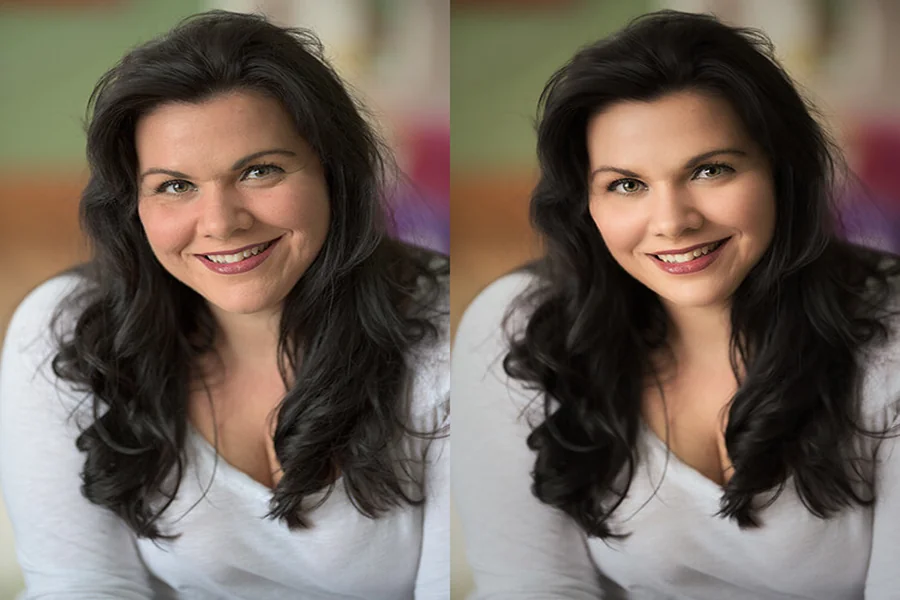
Photomaking is now an accepted aspect of daily existence. Social media users are enhancing their selfies, making social media posts, and trying out various looks using smartphones and editing applications. In modern photo filters, such tasks become simpler since users can alter the facial features, control the lighting, and experiment with the creative effects without advanced skills in editing. To minor retouching or extreme alterations, these apps provide an easy means of customizing images without removing feelings of the moments that were captured in a photograph.
One interesting example is the scars filter, which allows users to add realistic-looking scars to a portrait for creative experimentation. This effect can be applicable to costume planning, inspiration to make up like Halloween makeup, character design, short films, and storytelling in social media. Users can visualize how various scar designs would appear in a digital image as opposed to putting the makeup on the skin. The effect can provide various shapes, textures, and visibility depending on the editing tool, which allows exploring a specific character or visual idea more conveniently.
Understanding the Technology Behind Photo Filters
Since the inception of simple color adjustments, photo filters have evolved significantly. Brightness, contrast, saturation and color temperature were principally altered by traditional filters. The editing programs that are available today can scan the features of the face, find certain portions of a photograph and place effects that trace the outline of the face of a person.
Artificial intelligence (AI) and computer vision are employed by many modern tools to identify facial landmarks, such as the eyes, nose, mouth, and jawline. The software uses this information to better position digital effects. To illustrate, when the user changes a little or his or her expression, a filter may still stay in the same position on the face.
Image segmentation (separation of the subject and background) is also used in some applications. This technology is allowing to implement the adjustments to certain portions of a photograph without modifying the whole photograph. These advancements have enabled beginners to work with digital editing easier and more versatile to the more experienced creators.
Creative Applications of Digital Effects
The photo filters do not only enhance the beauty of an image. They may also assist individuals in sharing ideas, creating fictional characters and testing visual storytelling.
– Social Media Content
The filters are often utilized by creators to make their posts more unique. The desired mood, the theme, or the presence of an additional interest in a short video can be created by a well-chosen effect. In the example with a creator who made a video about a mystery, he or she could implement darker lighting and dramatic facial effects to suit the narrative.
But excessive effects will render the images very artificial. Selecting a filter that favors the purpose of the content typically yields a more unified outcome.
– Makeup and Costume Planning
Digital effects may be useful to plan themed parties, theatrical performances or costume events. Before choosing how to recreate the visual ideas in makeup or special-effects materials, users are able to test various visual ideas.
This method can save some time and can assist individuals to compare various designs. It is especially handy because a character needs a certain look, which would otherwise take a number of attempts to accomplish using physical makeup.
– Digital Art and Character Design
Photo editing software allows artists to create visual ideas to illustrations, comics, games, as well as independent films. The use of a photograph as a starting point provides creators with a point of reference to work with textures, facial features, and lighting.
Digital filters can also assist beginners to comprehend how minor modifications can impact the entire figure of a character. More sophisticated users can layer multiple effects with manual control to achieve a result that suits their artistic vision.
How to Select the Appropriate Photo Editing Tool
There are numerous editing applications, so the choice of the appropriate one depends on the intentions of the user. Others are intended to make fast edits in social media, whereas others have more elaborate controls to use with professional work.
When selecting an application, take into account the following factors:
– User-friendliness: The interface should be simple to utilize so one does not need to waste time in mastering the application.
– Effect variety: Multiple filters, textures, and options in the adjustment give the user the ability to explore numerous creative styles.
– Image quality: The application must maintain adequate detail and not overblur or pixelate.
– Compatibility: See whether the tool is compatible with your smartphone, tablet, or computer.
– Privacy settings: Learn how the application manages uploaded photos, facial information and saved photos.
Another aspect to consider is whether the most useful features are free or they need a subscription. An easy-to-use tool can allow making some edits occasionally, and more complex controls can be offered to people who create content frequently.
Advice on Making Edits More Realistic
The success of a photo edit may largely be determined by minute details and not the number of effects used. A complex filter can appear fake when its light, placement or texture is not similar to the original photograph.
Begin by selecting an enlightened image. Where a filter is based on facial recognition, the face should be visible to assist the software to execute the effect properly. When the app has intensity controls, start with a medium level and adjust.
Pay attention to the direction of the light. The digital effect can be misplaced in case the rest of the shadows are indicating that the light is elsewhere. It can also enhance the end product by matching the color and texture of the effect to the photograph.
Once the filter has been applied, enlarge the image. This should be done by searching for the presence of unnatural edges, misplaced details or the occurrence of an area where the effect seems to be floating over the skin. It usually only takes a couple of minor adjustments to make a difference and enhance the outcome rather than adding more filters.
The Ethical Use of AI-Powered Photo Editing
Despite the numerous creative possibilities offered by digital filters, it is still significant to use it responsibly. Photographs edited may even be confused with real photos, especially when the effects are realistic.
In an exhibit of extensively edited portraits, producers must take into account the possibility of misconception by the audience in determining the message of the image. It can be helpful in cases when an edit is supposed to be entertaining, a fictional story, or an experiment with a visual aspect.
Another aspect is privacy. The privacy policy of an application that users are about to post personal photographs must be read and comprehended whether they will be stored, shared, or utilized to enhance the AI systems. Do not post pictures of other individuals without the relevant consent, notably when using effects that may influence their perceptions.
Digital editing must also facilitate personal creativity instead of putting undue pressure to conform to unrealistic appearance expectations. The filters can be amusing, helpful without turning into an indicator of how a person should appear in the real world.
The Future of Digital Photo Filters
With the ever-growing sophistication of image-processing technology, photo filters will probably be more adaptive, customized, and lifelike. AI-based applications can offer superior texture and lighting control, facial control, and effect-environment interaction.
Another significant development is real-time editing. Users can see what can change in their camera before they take a photograph as opposed to using a filter after taking a photograph. This capability can enable imaginative experimentation to be quicker and more participatory.
Meanwhile, the advances in the technology of editing will make transparency and digital literacy more significant. The knowledge about the alteration of an image may enable viewers to judge the visual material more critically.
Conclusion
Photo filters have made portrait editing a creative endeavor easily available to people. Be it creating social media content, costume planning or even creating a fictional character, the available editing tools provide viable means to experiment with new visual concepts in the modern world. Using the right effects, attention to detail, and privacy, users are able to make interesting images and control their creative process. These tools will keep growing the possibilities to express oneself personally and tell digital stories as AI technology advances.

Passionate about exploring diverse ideas and sharing inspiration, I curate content that sparks curiosity and encourages personal growth. Join me at ElementalNest.com for insights across a wide range of topics.