
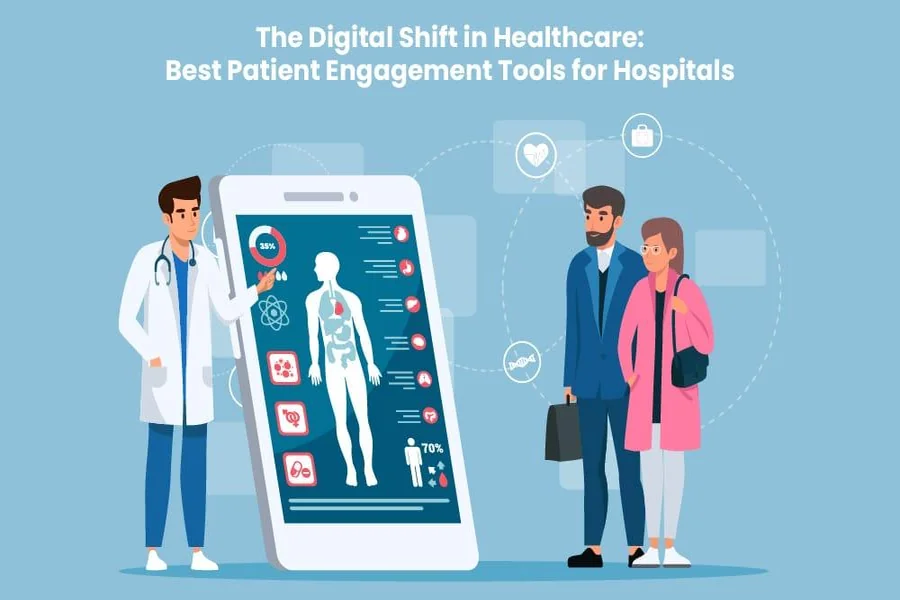
Patient experience is now much longer than the minutes in clinics. People expect healthcare to feel simple before, during, and after appointments. They want quick scheduling, clear reminders, easier forms, and flexible communication.
Long phone queues or repeated paperwork can make routine care frustrating. Patient engagement tools help practices remove many of those everyday pain points. They also give patients more control over how care fits life.
For U.S. providers, better digital access can strengthen trust and satisfaction. Staff benefits too, because fewer manual tasks can improve daily workflows. The result is a smoother experience built around practical patient needs.
What Is Patient Engagement Software?
Patient Engagement Software is technology that links patients with healthcare organizations electronically. It supports communication, scheduling, intake, education, feedback, and ongoing care tasks.
Instead of relying on separate phone calls, forms, and disconnected portals, patients gain easier access. Many systems also connect with electronic health records and practice workflows. Patients can complete forms, review information, confirm visits, or receive updates remotely.
Staff can automate repetitive outreach while keeping communication more timely and consistent. In addition, digital tools can support caregivers managing health needs from home. The software is designed to make participation easier across the care journey.
For U.S. practices, that can mean fewer administrative barriers for patients. It can also create clearer communication between visits, when questions often appear.
Enhancing Patient Experience with Patient Engagement Software
These digital tools remove everyday friction throughout a patient’s healthcare journey.
Bringing All Engagement Activity Together in One Digital Hub
A digital hub gives patients one familiar place for everyday healthcare needs. They can schedule visits, complete forms, review results, and read care summaries. This feels easier than bouncing between websites, inboxes, and repeated phone calls.
Patients spend less time hunting for information they already need. Staff also receive fewer routine questions about appointments, forms, and records. In addition, centralized access makes digital care feel cleaner and more organized. Patients know where to return whenever another task needs attention.
Offering Patients a Convenient Way to Schedule Appointments
Patients can schedule appointments online, which allows them to make appointments at times other than office hours. They are able to select an appropriate time on a home computer, tablet or phone. This is useful for those with a very busy day or parents who work or care for others.
Patients gain more control because booking happens whenever their own schedule allows. Practices also reduce routine calls that usually land with busy front-desk teams. Open appointment slots may fill faster through real-time digital access.
Providing Patients with Easy, Personalized Appointment Reminders
Customized reminders ensure that patients don’t miss appointments during the year because they forgot. Messages may reach them via their preferred methods, such as text or email. Patients receive timely details about dates, times, locations, or needed visit preparations.
They can also confirm appointments without making another call to busy staff. This small convenience helps during especially busy weeks or suddenly changing schedules. Practices benefit too, because automated reminders reduce repetitive administrative work.
In addition, consistent reminders may lower missed visits and last-minute gaps. Patients stay informed, while communication feels simpler and easier to manage.

Digitizing Registration and Patient Intake Paperwork to Improve Efficiency
Digital intake replaces clipboards with forms patients can complete before arrival. Patients enter registration details from home instead of rushing inside waiting rooms. This gives them more time to check names, medications, and contact information.
Staff also spend less time sorting forms or retyping basic details. In addition, digital fields are usually easier to read than messy handwriting. Patients can review mistakes before sending their completed information securely.
A smoother intake process helps appointments begin with fewer administrative delays. The visit starts cleaner, faster, and with less paperwork hanging around.
Helping Families Stay Up-to-Date on Loved Ones’ Health from a Distance
Digital family access helps caregivers follow a loved one’s care from afar. This can matter greatly in assisted living or long-term care settings. Authorized relatives may review health updates, medications, care plans, or activities.
Distance feels less uncertain when useful information stays easier to reach. Caregivers also gain context before contacting staff with questions or concerns. However, access must stay controlled through proper permissions and privacy safeguards.
Managing Patient Care Between Appointments
Patient care does not suddenly stop when someone leaves the clinic. Digital tools can support follow-ups, education, reminders, and home care instructions. Practices may send targeted outreach based on specific conditions or care needs.
Patients receive useful prompts when action matters, rather than random messages. These could include medication reminders, screenings, wellness tips, or follow-up steps. Staff can manage larger patient groups without calling every person manually.
In addition, structured outreach keeps care plans visible between scheduled appointments. Patients feel more supported while handling everyday health responsibilities at home daily.
Collecting Valuable Feedback and Insights with Patient Surveys
Patient surveys give people a direct way to describe their care experience. Practices can collect feedback after visits or during longer treatment periods. Questions may cover pain, satisfaction, symptoms, medication use, or daily function.
Those answers can reveal problems missed during a short clinical appointment. Staff may also spot patterns across departments, services, or patient groups. In addition, surveys show patients that their opinions receive real attention.
Feedback can guide communication changes, service improvements, or timely care interventions. Used properly, simple survey responses become practical clues for better patient experiences.
Improving Patient Access with Modern Virtual Care Experiences
Virtual care provides patients with a new option for accessing providers without leaving home. Video visits may assist people who have distance, mobility, work or transportation barriers. Rural patients are better off when specialists are not easily accessible.
Patients connect from home while still discussing symptoms or follow-up needs. Integrated virtual tools also reduce the hassle of juggling separate applications.
In addition, scheduling and reminders can support that same digital workflow. Providers gain another option for appropriate visits not requiring physical offices. Patients get more flexibility while staying connected with their regular care teams.
Conclusion
Patient engagement software can make your healthcare experience feel simpler and connected. You can book visits, get reminders, and complete forms with less stress. Digital access helps you stay informed between appointments and care visits.

Passionate about exploring diverse ideas and sharing inspiration, I curate content that sparks curiosity and encourages personal growth. Join me at ElementalNest.com for insights across a wide range of topics.