
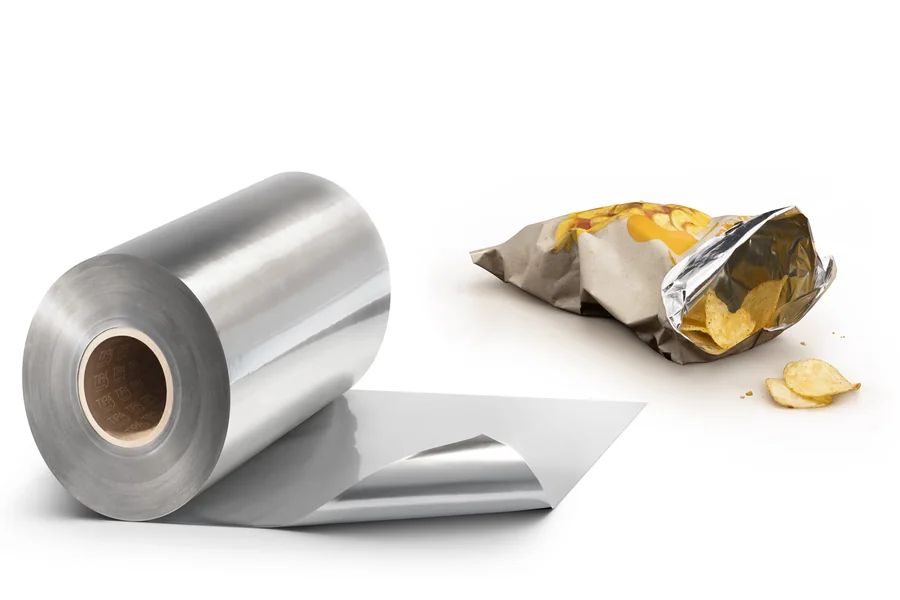
Packaging film does more than wrap a product. It helps protect product quality during filling, storage, shipping, and retail display. For foods and other packaged goods, the right film structure can help manage exposure to moisture, oxygen, light, and aroma loss. Rollstock also gives brands a flexible format for producing sealed packages on form-fill-seal equipment.
When choosing roll stock film packaging, start with the product itself: what can affect its texture, flavor, aroma, or shelf life? Then consider how it will be filled, sealed, shipped, and stored. Film structure, seal conditions, package design, and filling equipment all work together to support product integrity.
Barrier Layers That Block Moisture, Oxygen, and UV Exposure
Different products have different sensitivities. Oxygen can contribute to oxidation, moisture can change texture or freshness, and light exposure can affect some products over time. Aroma transfer or loss can also influence how a product smells and tastes when a customer opens the package. A barrier film is designed to slow the movement of these elements through the packaging.
Many flexible films use multiple material layers, with each layer contributing a different function. One layer may provide a printable surface, another may help resist oxygen or light, and an inner layer may support sealing and moisture protection. The combination can create a film suited to the product and production process. Metallized high-barrier structures are one option for applications that need enhanced protection from oxygen, moisture, aroma, or light.
The best structure depends on the product’s needs and target shelf life. A snack that needs to stay crisp may have different requirements from a powdered product, a confection, or a product that is sensitive to oxygen. Material choices can also affect flexibility, appearance, seal performance, and end-of-life considerations. Review film specifications with a packaging expert and confirm that the structure is compatible with the filling and sealing process.
Rollstock is supplied as a continuous film for packaging equipment, often as part of a form-fill-seal process. Brands can also compare pouch formats, such as a stand up pouch, when the product or retail presentation calls for a preformed package. The right format depends on the product, equipment, production volume, and desired shelf presence.
Material Structures That Maintain Flavor, Aroma, and Quality
Protective materials are only one part of package performance. Consistent sealing is essential to maintain package integrity after filling. Film must be matched to the machine’s seal type, temperature range, unwind direction, core size, and other line requirements. A mismatch can lead to production issues or seals that don’t perform as intended.
ePac offers rollstock structures for vertical and horizontal form-fill-seal equipment, including fin-seal and lap-seal configurations, depending on the application. Its films can be converted to co-packer specifications, helping brands coordinate packaging with the equipment that will run it. Discussing line speed, sealing conditions, and package dimensions early can help narrow the material options.
Brands may also weigh sustainability goals alongside barrier requirements. Depending on the application, options can include recyclable or post-consumer recycled films. These structures aren’t interchangeable with every material or barrier level, so review the relevant product specifications and recycling guidance before selecting one. Explore eco friendly pouch packaging options as part of that evaluation.
A strong packaging decision starts by identifying what the product needs protection from, then matching those needs to a film structure and packaging format. With the right combination of barrier performance, sealing compatibility, and production specifications, rollstock can help protect product quality from the packaging line to the customer’s hands.

Passionate about exploring diverse ideas and sharing inspiration, I curate content that sparks curiosity and encourages personal growth. Join me at ElementalNest.com for insights across a wide range of topics.