
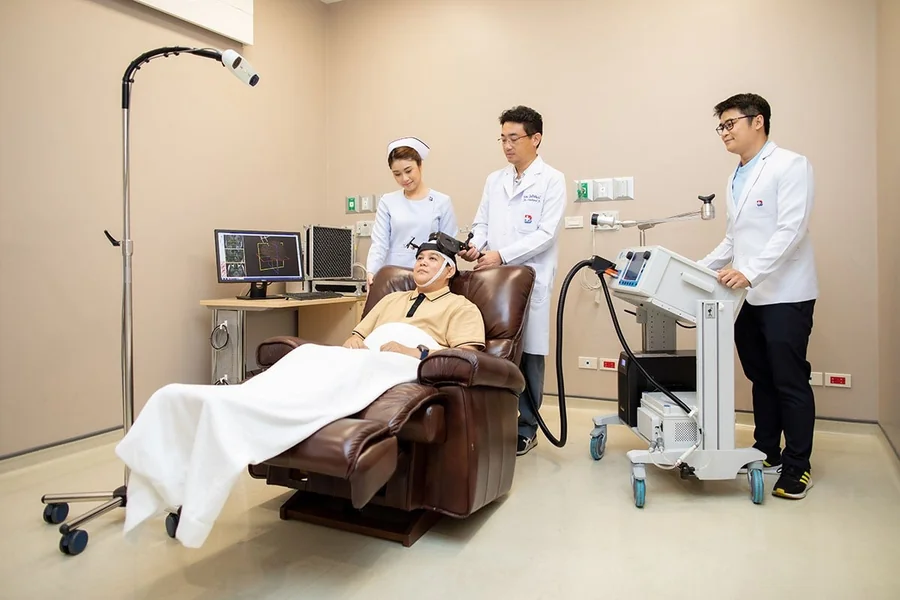
TMS clinics are transforming mental health treatment by integrating advanced technology into every aspect of patient care delivery. From initial consultations through treatment sessions and follow-up monitoring, digital tools now support both clinical staff and patients in ways that were not possible even a few years ago. This integration addresses practical challenges while improving treatment outcomes and patient satisfaction.
TMS clinics integrate technology with patient care through electronic health records, treatment planning software, patient monitoring systems, and digital communication platforms that streamline operations and enhance treatment precision. These technologies work together to create a coordinated system where patient data flows seamlessly between different stages of care. The result is more accurate treatment delivery, better tracking of patient progress, and improved coordination among care teams.
The shift toward digital integration reflects broader changes in healthcare delivery while addressing the specific needs of TMS treatment protocols. Modern TMS clinics use technology not just for administrative efficiency but to fundamentally improve how they assess patients, customize treatment parameters, and maintain ongoing care relationships. Understanding how these technologies work together reveals the practical benefits they bring to both clinical operations and patient experiences.
Core Technologies Transforming TMS Clinic Patient Care
Modern TMS clinics deploy specialized equipment ranging from advanced magnetic stimulation devices to neuroimaging tools and integrated health records systems. These technologies enable clinicians to deliver precise neuromodulation therapies while tracking patient progress through objective measurements.
Advanced TMS and Deep TMS Systems
Contemporary TMS devices represent significant improvements over earlier transcranial magnetic stimulation equipment. Standard TMS systems use figure-8 coils that target specific cortical regions with focused magnetic pulses, typically treating conditions like major depressive disorder and treatment-resistant depression.
Deep TMS technology extends reach beyond superficial cortical areas. These systems employ H-coils that generate magnetic fields penetrating deeper brain structures while maintaining safety parameters. The broader stimulation pattern allows clinicians to target neural networks involved in various psychiatric and neurological conditions.
Advanced TMS systems incorporate real-time monitoring capabilities. Built-in sensors track coil positioning, pulse intensity, and treatment parameters throughout each session. Many devices feature neuronavigation integration that maintains consistent targeting across multiple treatment sessions, which improves reliability of tms therapy outcomes.
Modern equipment also offers programmable protocols. Clinicians can adjust pulse frequency, intensity, and pattern based on individual patient needs and emerging neuroscience research findings.
Integration of Neuroimaging, EEG, and Biomarkers
TMS clinics increasingly combine neuroimaging data with treatment planning. MRI scans identify precise anatomical targets, allowing clinicians to customize coil placement based on individual brain structure rather than relying solely on standardized positioning methods.
EEG integration provides real-time feedback during TMS treatment. This combination reveals immediate cortical responses to magnetic stimulation, helping clinicians verify that targeted brain regions respond appropriately. Some systems analyze EEG patterns to identify optimal stimulation parameters for individual patients.
Key biomarkers tracked include:
- Cortical excitability measures
- Neuroplasticity indicators
- Treatment response predictors
- Symptom severity correlations
Biomarker monitoring transforms tms treatment from a standardized approach into a data-driven process. Clinicians adjust protocols based on objective measurements rather than subjective patient reports alone, though both remain valuable.
Electronic Health Records and Interoperability
Electronic health record systems serve as central repositories for patient information in TMS clinics. These platforms document treatment parameters, session attendance, symptom assessments, and clinical outcomes in standardized formats.
Interoperability allows TMS clinic EHR systems to exchange data with referring providers and other healthcare facilities. This connectivity ensures that psychiatrists, primary care physicians, and specialists access current treatment information. Health IT standards like HL7 and FHIR enable secure data transmission between different electronic health records platforms.
Modern EHR systems designed for TMS clinics include specialized modules. These track magnetic pulse counts, stimulation intensity levels, coil positions, and adverse events specific to neuromodulation therapies. Automated documentation reduces administrative burden while maintaining detailed treatment records.
Data analytics tools within EHR platforms identify patterns across patient populations. Clinics analyze which protocols produce optimal outcomes for specific diagnostic categories or demographic groups.
Accelerated and Personalized TMS Protocols
Accelerated TMS protocols deliver multiple treatment sessions daily rather than the traditional single daily session. This approach compresses treatment timelines from six weeks to as few as five days. The protocols apply neuroscience principles about neuroplasticity windows and consolidation periods.
Personalized treatment parameters adjust stimulation intensity, frequency, and duration based on individual factors. Clinicians consider patient age, medication regimens, symptom profiles, and previous treatment responses when programming TMS devices.
Personalization factors include:
|
Parameter |
Customization Approach |
|
Pulse intensity |
Motor threshold assessment |
|
Target location |
Individual neuroimaging |
|
Session frequency |
Symptom severity and tolerance |
|
Protocol duration |
Response rate monitoring |
Theta burst stimulation represents one personalized protocol variant. This technique delivers patterned pulses that mimic natural brain rhythms, potentially enhancing neuroplasticity effects. Treatment sessions last only three to ten minutes compared to 20-40 minutes with standard protocols.
Clinics implement adaptive protocols that modify parameters between sessions. If EEG or symptom assessments indicate suboptimal response, clinicians adjust stimulation parameters rather than continuing unchanged protocols for predetermined durations.
Enhancing Patient-Centered Care with Digital Integration
Digital health technologies enable TMS clinics to deliver more personalized, accessible, and efficient mental health treatments by connecting patients with their care teams beyond traditional office visits. These tools transform how clinics monitor progress, communicate with patients, and allocate clinical resources.
Remote Patient Monitoring and Wearables
Remote patient monitoring systems allow TMS clinics to track patient progress between treatment sessions through connected devices and digital platforms. Wearables equipped with biosensors can measure physiological indicators such as heart rate variability, sleep patterns, and activity levels that correlate with treatment response. This continuous data collection provides clinicians with objective metrics to assess how patients respond to TMS therapy in their daily environments.
Many clinics integrate smartphone applications that prompt patients to complete symptom assessments and mood tracking between sessions. These digital check-ins create a more complete picture of the patient journey than relying solely on in-office evaluations. When clinicians identify concerning trends through remote monitoring data, they can intervene proactively rather than waiting for the next scheduled appointment.
The technology also empowers patients to actively participate in their care by visualizing their progress over time. Remote monitoring reduces the burden on patients who may struggle with frequent clinic visits due to transportation challenges or work commitments.
Telehealth and eHealth Services
Telehealth platforms extend access to TMS care for patients in underserved or rural areas where specialized mental health treatments remain limited. Clinics use video conferencing for initial consultations, follow-up assessments, and psychiatric evaluations that complement in-person TMS sessions. This hybrid model reduces travel requirements while maintaining treatment continuity.
eHealth services include secure patient portals where individuals access treatment schedules, educational materials, and communication tools to reach their care teams. These platforms facilitate appointment scheduling, prescription management, and insurance documentation that previously required phone calls or in-person visits. Telemedicine integration proves particularly valuable for patients who complete their TMS protocol but require ongoing psychiatric management.
Some clinics deploy asynchronous telehealth options where patients submit questions or concerns through secure messaging systems that providers address within specified timeframes. This approach accommodates varied schedules while maintaining patient-centered care principles.
Optimizing Clinical Workflows and Resource Allocation
Healthcare technology streamlines administrative tasks and treatment coordination within TMS clinics, allowing staff to focus more time on direct patient care. Electronic health records (EHRs) integrate with TMS treatment devices to automatically document session parameters, reducing manual data entry and minimizing errors. Digital scheduling systems optimize treatment room utilization and reduce patient wait times through intelligent appointment algorithms.
Key workflow improvements include:
- Automated treatment protocols that adjust parameters based on patient-specific data
- Digital intake forms that patients complete before arrival, expediting check-in processes
- Real-time inventory tracking for clinical supplies and equipment maintenance schedules
- Staff scheduling optimization based on patient volume and treatment complexity
Resource allocation benefits from data analytics that identify patterns in treatment response and patient needs. Clinics can adjust staffing levels during peak hours and allocate specialized personnel where they provide the greatest impact on patient outcomes. These efficiencies reduce operational costs while maintaining or improving care quality.
Future Directions: AI, Precision Medicine, and the Patient Journey
Artificial intelligence applications are emerging as tools to personalize TMS treatment protocols based on individual patient characteristics and predicted response patterns. Machine learning algorithms analyze historical treatment data to identify which patients most likely benefit from specific stimulation parameters or session frequencies. This precision medicine approach moves beyond standardized protocols toward individualized care plans.
AI-powered clinical decision support systems may soon assist providers in adjusting treatment strategies based on real-time patient data from multiple sources. Natural language processing could analyze patient communications and session notes to detect early warning signs of treatment complications or declining mental health status. These technologies enhance rather than replace clinical judgment.
The future of TMS includes longitudinal tracking across the entire patient journey, from initial consultation through post-treatment maintenance. Integrated digital platforms will connect various touchpoints—remote monitoring, telehealth visits, in-clinic sessions, and community support resources—into cohesive care pathways. This comprehensive approach addresses the chronic nature of many mental health conditions requiring ongoing management beyond acute treatment phases.
NC
27617

Passionate about exploring diverse ideas and sharing inspiration, I curate content that sparks curiosity and encourages personal growth. Join me at ElementalNest.com for insights across a wide range of topics.