
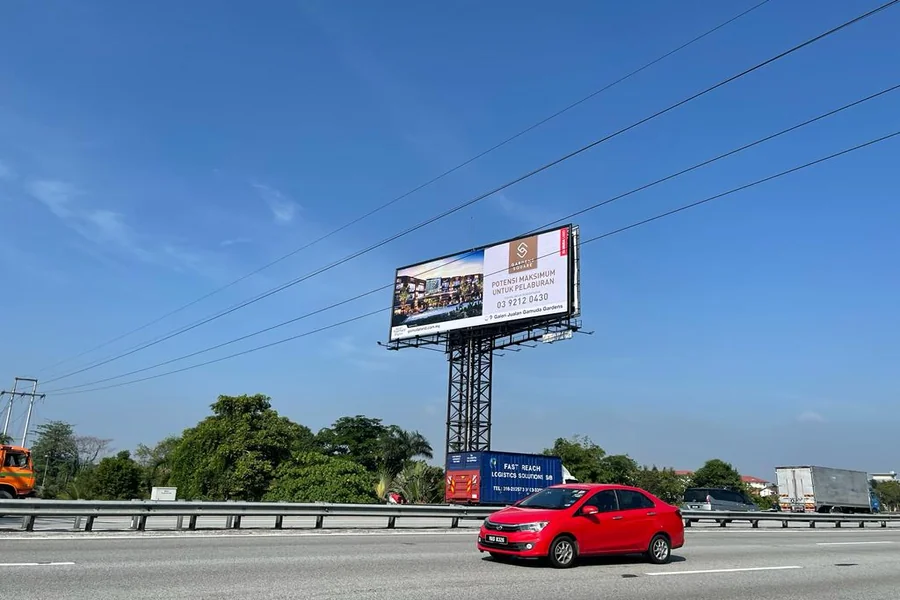
Billboards have only a few seconds to capture attention, communicate an idea, and leave a lasting impression. In an advertising landscape filled with digital distractions, a well-designed billboard can still make a powerful impact.
The key is to create something visually compelling without making it difficult to understand. From choosing the right message to using memorable imagery, several strategies can help a billboard stand out from the competition for attention.
Start With a Clear, Focused Message
One of the biggest trends in outdoor advertising is creating simpler campaigns that communicate one central idea. Working with a billboard advertising agency can help businesses determine how to translate a broader marketing campaign into a message that works at billboard scale.
Because drivers and passengers may only see an advertisement for a few seconds, the core message needs to be immediately recognizable. Rather than attempting to explain every feature of a product or service, focus on the one thing the audience should remember.
A short headline, recognizable logo, and concise supporting message can often accomplish more than a billboard crowded with text. Before finalizing the design, consider whether someone could understand its purpose at a glance. If not, the message may need to be simplified.
Make the Design Easy To Read
Good billboard design is not necessarily complicated. In fact, the most effective layouts often rely on a few carefully selected visual elements. Large typography, strong color contrast, and plenty of open space can make a message easier to absorb from a distance.
Font selection matters, too. Decorative typefaces may look interesting on a computer screen, but become difficult to read when viewed from a moving vehicle. Choose lettering that remains clear at different distances and in different lighting conditions.
The same principle applies to colors. A limited palette can help important elements stand apart while keeping the overall composition cohesive. If everything is bright, bold, and competing for attention, nothing feels particularly important.
Use Images That Do Some of the Talking
A strong image can communicate an idea much faster than a paragraph of copy. Whether it is a product photograph, an expressive person, an unusual visual concept, or a clever illustration, imagery can give audiences an immediate reason to look twice.
The best visuals tend to support the message rather than simply decorate the billboard. For example, a restaurant might use a striking close-up of a signature dish, while a travel company could feature an instantly recognizable destination. The image should reinforce what the audience is supposed to remember.
Think About Where the Billboard Will Be Seen
Context is an important part of outdoor advertising. A billboard’s surroundings, traffic patterns, audience, and viewing distance all influence how the creative will perform.
A design placed beside a busy highway may need to be understood much faster than one located in an area where pedestrians have more time to look. Similarly, a campaign near a shopping district could use location-specific messaging that connects directly with people in that area.
Consider sightlines, traffic speed, nearby buildings, lighting, and the typical audience when developing the creative. The physical environment can become part of the advertising concept rather than simply being the backdrop.
Build in a Memorable Element
Getting noticed is only the first step. A successful billboard should give people something to remember after they pass it.
Humor, wordplay, unexpected comparisons, striking visuals, and clever references can all help create memorability. A distinctive brand voice can have the same effect. The goal is to give the audience one element that sticks in their mind.
Consistency can strengthen this effect. Reusing recognizable colors, characters, taglines, or visual styles across multiple billboards can help people connect separate advertisements to the same brand.
Make the Brand Impossible To Miss
A common design mistake is creating an interesting advertisement where the audience remembers the joke, image, or headline but forgets who created it. Branding should be prominent enough to connect the message with the business.
That doesn’t mean placing a giant logo in the center of the design. Instead, make sure the brand name, logo, or other identifying element has enough visual prominence to be noticed naturally. If the billboard is part of a larger campaign, maintaining recognizable branding across other marketing channels can further reinforce the connection.
Give People a Simple Next Step
Some billboards are designed primarily for awareness, while others are intended to drive a specific action. When action is the goal, make the next step straightforward.
A short website address, a memorable brand name, a promotional phrase, or an easy-to-remember call to action can encourage people to continue engaging with the company later. QR codes can also be useful in appropriate environments, particularly where audiences have enough time to interact with them safely.
Keep Creativity Focused on the Audience
Ultimately, an attention-grabbing billboard requires understanding how people encounter outdoor advertising and designing around that experience. A focused message, readable typography, strong imagery, thoughtful placement, memorable branding, and a clear next step can work together to turn a few seconds of attention into lasting recognition.
When every element serves the same purpose, a billboard can become a memorable part of the landscape.

Passionate about exploring diverse ideas and sharing inspiration, I curate content that sparks curiosity and encourages personal growth. Join me at ElementalNest.com for insights across a wide range of topics.