

Importing a vehicle from Australia to New Zealand can be a practical option for people who want to purchase a particular make or model, relocate with their existing vehicle, or access vehicles that may not be readily available in the New Zealand market. However, the process involves more than buying a car and arranging transport. Owners must understand Australian export requirements, New Zealand import regulations, shipping arrangements, and vehicle compliance checks.
If you are planning on shipping car to New Zealand from Australia, preparing the necessary paperwork and understanding each stage can help prevent delays and unexpected costs. Both countries have specific requirements for vehicles crossing their borders, so it is important to organise the process before the car leaves Australia.
This guide explains the main steps involved, from selecting a suitable vehicle to completing customs and compliance requirements in New Zealand.
Step 1: Choose a Suitable Vehicle in Australia
The first step is finding a vehicle that meets your needs and can legally be imported into New Zealand. Australian dealerships, private sellers, and vehicle auctions may offer a wide range of used and new vehicles.
Before making a purchase, research the vehicle’s specifications and check whether it is suitable for New Zealand’s import requirements.
Check the Vehicle’s History
Review the vehicle identification number (VIN), registration details, service records, and ownership documents. A vehicle history check can help identify previous damage, outstanding finance, registration concerns, or other issues that could affect the purchase.
It is also advisable to arrange an independent mechanical inspection. This can help identify existing faults and provide a clearer understanding of the vehicle’s condition before payment.
Confirm Import Eligibility
Not every vehicle will automatically qualify for entry into New Zealand. Requirements can depend on the vehicle’s age, category, emissions, safety features, and applicable entry standards.
Before purchasing, check the current New Zealand Transport Agency (NZTA) requirements or consult an approved entry certifier. Confirming eligibility early can help avoid buying a vehicle that cannot meet New Zealand’s registration and compliance requirements.
Step 2: Understand Australian Vehicle Export Requirements
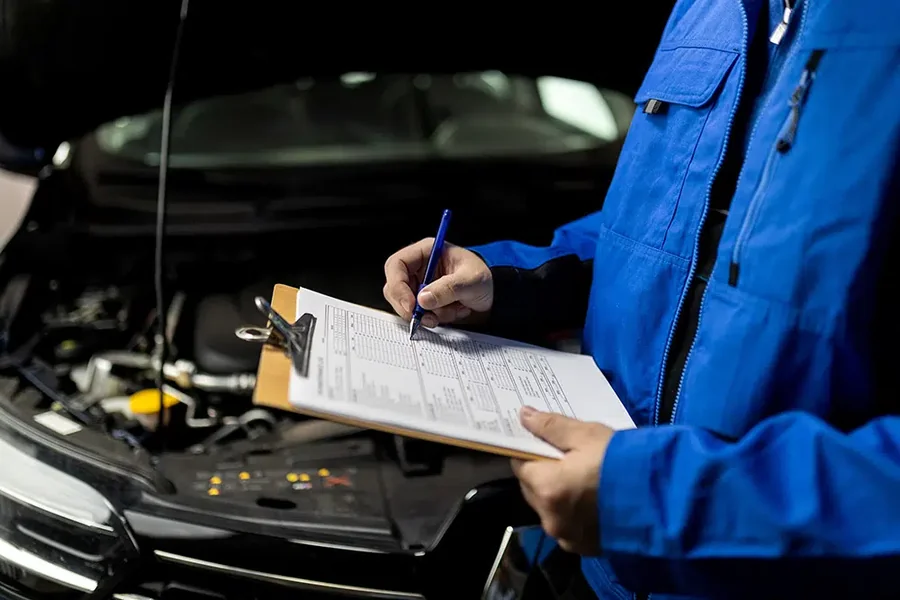
Once you have selected a suitable vehicle, the next stage is preparing it for export from Australia. Vehicle exports may involve customs declarations, ownership evidence, and other documents depending on the vehicle and circumstances.
Prepare Ownership and Purchase Documents
Keep copies of the purchase invoice, proof of ownership, registration documents, and identification records where required. These documents may be needed to confirm that you have the legal right to export the vehicle.
If the car is financed, check whether the lender’s approval is required before exporting it. Outstanding finance or ownership restrictions can create problems during the export process.
Check Australian Export Procedures
Australian export requirements should be confirmed before shipping arrangements are finalised. Depending on the circumstances, an export declaration or additional documentation may be required.
It is important to check the current Australian Border Force and Department of Home Affairs guidance. Export procedures can vary according to the vehicle and the nature of the transaction.
Step 3: Calculate the Total Import and Shipping Costs
A vehicle’s purchase price is only one part of the overall expense. Before proceeding, prepare a budget that includes transport, export preparation, shipping, insurance, customs charges, and New Zealand compliance costs.
Include Shipping and Handling Charges
Shipping costs can vary according to the vehicle’s dimensions, transport method, departure port, destination port, and service provider. Ask for a detailed quotation that explains what is included.
Other possible expenses include vehicle collection, port handling, documentation, storage, and delivery after arrival.
Account for New Zealand Taxes and Charges
Depending on the vehicle and import circumstances, GST, customs-related charges, and other costs may apply. The final amount can depend on factors such as the vehicle’s value, freight, insurance, and applicable customs rules.
Check the current requirements with New Zealand Customs before committing to the purchase. This helps you calculate the likely landed cost rather than relying only on the advertised vehicle price.
Step 4: Arrange Professional Vehicle Shipping
After confirming the vehicle’s eligibility and preparing the paperwork, you can arrange transport from Australia to New Zealand.
Working with an experienced vehicle import and shipping company can make the process easier to manage. A provider can explain the available transport methods, documentation requirements, collection arrangements, and delivery options.
Compare Available Shipping Methods
Vehicles are commonly transported by roll-on/roll-off (RoRo) shipping or container shipping.
RoRo shipping involves driving or moving the vehicle onto a specialised vessel. It can be suitable for vehicles that meet the shipping company’s requirements and may offer a straightforward transport option.
Container shipping involves securing the vehicle inside a shipping container. Depending on the service, it may offer additional protection and can sometimes accommodate other approved cargo.
The right method depends on the vehicle, budget, route, and shipping provider’s available services.
Arrange Appropriate Insurance
Ask the shipping company about marine cargo insurance and what it covers. Standard shipping arrangements may not automatically provide the level of protection you expect.
Review exclusions, coverage limits, excess amounts, and the process for reporting damage. Make sure the insurance arrangements are suitable before the vehicle is loaded.
Step 5: Work With an Experienced Vehicle Importer

Coordinating vehicle purchases, paperwork, export arrangements, and international shipping can involve several parties. An experienced vehicle importer can help manage these tasks and explain the process.
Businesses that import cars in Australia may also provide guidance on sourcing vehicles, arranging inspections, preparing export documents, and organising transport.
For people arranging an Australian vehicle purchase before sending it overseas, professional assistance can help keep the process organised.
Confirm What Services Are Included
Before engaging a provider, ask whether the service includes vehicle collection, export documentation, shipping bookings, customs coordination, and delivery arrangements.
Not every company offers the same services. Some may handle the entire process, while others may only organise transport between ports.
Request a written quotation and confirm any additional charges that could arise during the process.
Keep Communication and Documentation Organised
Maintain copies of invoices, shipping instructions, customs documents, and correspondence with the provider. Having these records available can help resolve questions if additional information is requested.
You should also confirm who will provide updates during transport and who to contact if the shipping schedule changes.
Step 6: Prepare the Vehicle for International Transport
Before the vehicle is collected or delivered to the port, follow the shipping provider’s preparation instructions.
Remove Personal Belongings
Most shipping companies have restrictions on personal belongings left inside vehicles. Remove loose items, valuables, and unnecessary accessories before transport.
Check the provider’s rules regarding fuel levels, keys, alarms, and vehicle condition. Following these instructions can reduce the risk of delays during vehicle acceptance.
Clean the Vehicle Thoroughly
New Zealand has strict biosecurity requirements designed to protect its environment and agriculture. Vehicles may be inspected for soil, plant material, insects, and other contaminants.
Clean the interior, exterior, wheel arches, tyres, underbody, and other areas where dirt or organic material may collect. Depending on the vehicle’s condition and inspection results, additional cleaning or treatment may be required.
Step 7: Complete New Zealand Customs and Biosecurity Requirements
When the vehicle arrives in New Zealand, it must complete the relevant border processes before it can proceed to registration and road use.
Submit the Required Import Documents
New Zealand Customs may require documents such as purchase invoices, shipping records, proof of ownership, and other information relevant to the import.
Ensure that the information is accurate and consistent across the documents. Missing or incorrect details can delay customs processing.
Complete Biosecurity Inspection
The Ministry for Primary Industries (MPI) oversees New Zealand’s biosecurity requirements. Imported vehicles may be inspected to check for contamination and potential biosecurity risks.
If cleaning or treatment is required, it must be completed before the vehicle can be released. Allow time and budget for possible inspection and cleaning charges.
Step 8: Complete Vehicle Compliance and Registration
Clearing customs does not automatically mean the vehicle is ready to drive on New Zealand roads. It must also meet the relevant safety and vehicle entry requirements.
Arrange an Entry Compliance Inspection
An approved entry certifier can assess whether the vehicle meets New Zealand’s applicable standards. The inspection may cover identification, safety features, structural condition, and other requirements.
If the vehicle needs repairs or modifications, these must be completed before certification can proceed.
Complete Registration and Licensing
Once the vehicle has met the required compliance standards, you can proceed with registration and licensing. The exact steps depend on the vehicle’s status and the applicable New Zealand requirements.
Do not drive the vehicle on public roads until the necessary legal requirements have been satisfied.
Common Mistakes to Avoid When Importing a Car
Planning ahead can help prevent common problems during an international vehicle import.
- Buying before checking eligibility: Confirm that the vehicle can meet New Zealand entry and compliance standards before paying for it.
- Underestimating the total cost: Include shipping, insurance, taxes, inspections, cleaning, and registration expenses in your budget.
- Submitting incomplete documents: Check ownership records, invoices, and shipping paperwork before export.
- Ignoring biosecurity requirements: Clean the vehicle thoroughly and follow MPI instructions.
- Choosing a provider based only on price: Compare service inclusions, experience, insurance arrangements, and communication standards.
Conclusion
Importing a car from Australia to New Zealand involves several stages, including vehicle selection, export preparation, shipping, customs clearance, biosecurity inspection, and vehicle compliance. Each stage has requirements that should be understood before the vehicle leaves Australia.
By checking eligibility early, preparing accurate documents, calculating the full costs, and working with an experienced shipping provider, you can make the process more organised and reduce the likelihood of avoidable delays.
Whether you are purchasing a vehicle in Australia or arranging transport for one you already own, careful preparation is essential. Always confirm the latest requirements with Australian and New Zealand authorities before proceeding, as import, export, and compliance rules may change.

Passionate about exploring diverse ideas and sharing inspiration, I curate content that sparks curiosity and encourages personal growth. Join me at ElementalNest.com for insights across a wide range of topics.