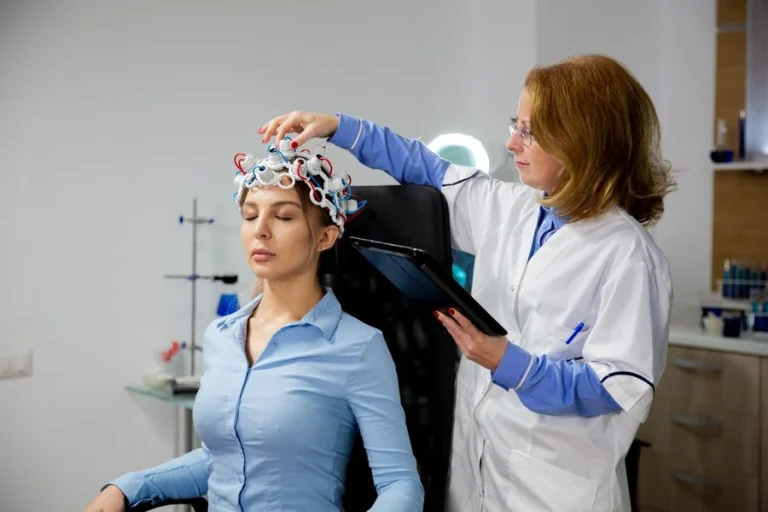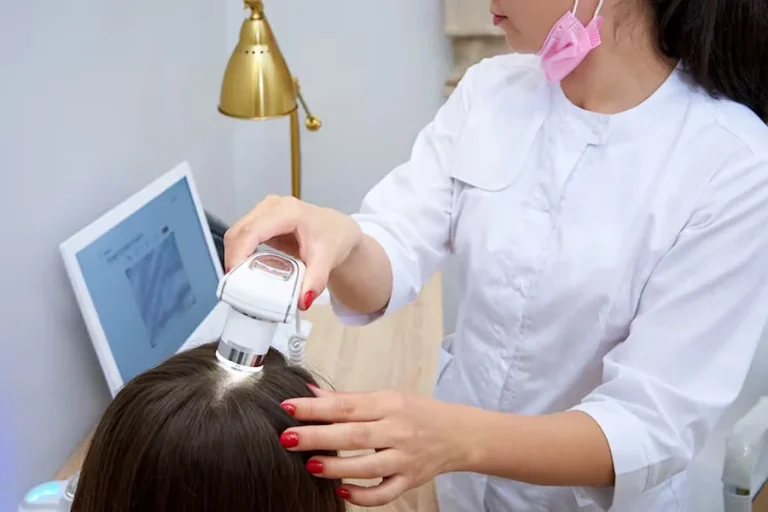
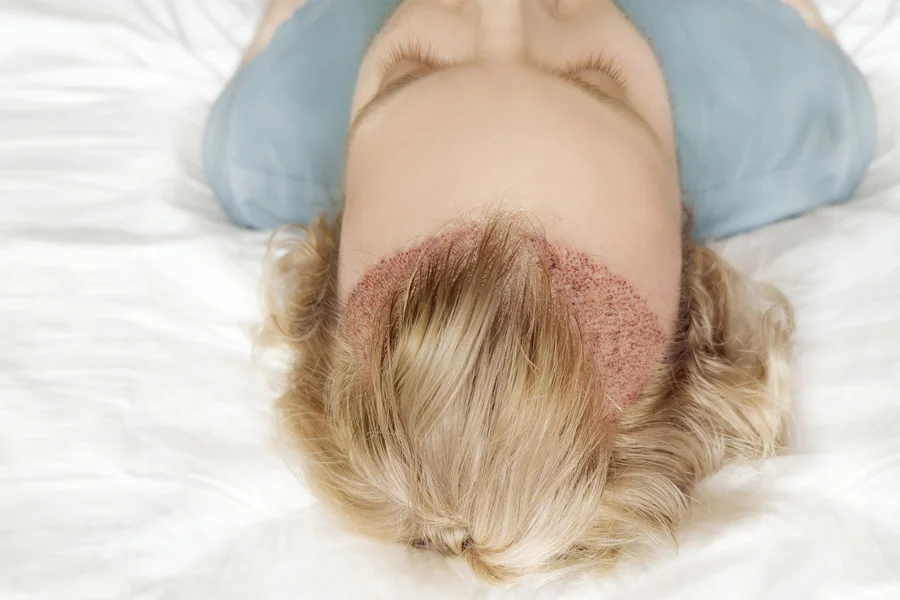
Hair loss in women often manifests differently than in men, bringing unique emotional and physical challenges. While men typically experience receding hairlines, female hair loss usually presents as diffuse thinning across the crown and parting. For women seeking targeted restorative options, considering a female hair transplant in Melbourne has become an increasingly popular decision. Modern advances in surgical techniques mean female patients no longer need to accept progressive thinning as an inevitable part of aging or genetics. Follicular Unit Extraction (FUE) offers a minimally invasive pathway toward restored volume and improved self-confidence. Understanding what results are achievable helps prospective patients set realistic expectations before undergoing treatment.
Understanding Female Pattern Hair Loss and FUE Suitability
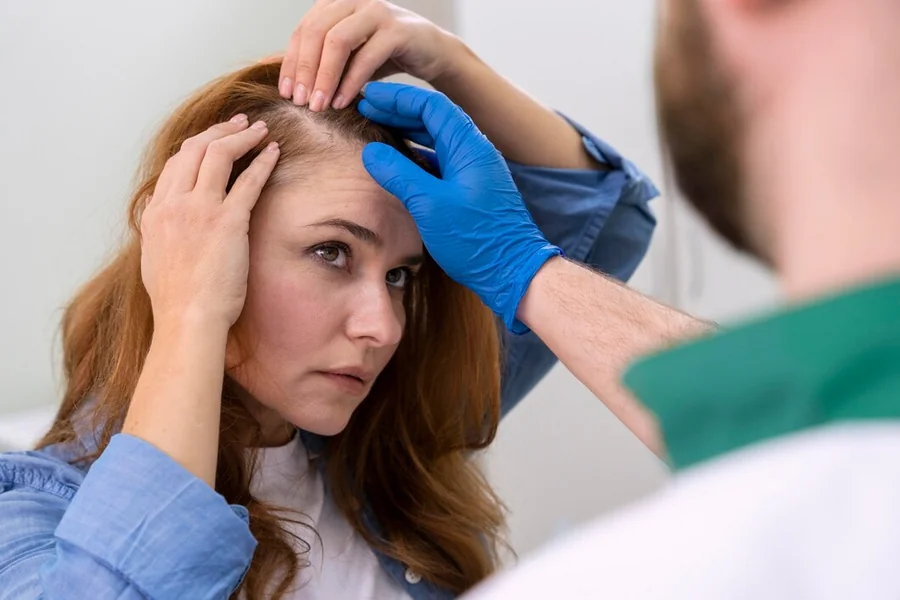
Female pattern hair loss primarily follows the Ludwig Scale, which categorises hair thinning across three distinct stages. Unlike male pattern baldness, which creates stark bald patches, female thinning leaves the frontal hairline largely intact while reducing density along the central part. Consequently, evaluating candidate suitability requires a meticulous diagnostic process. When assessing options for an FUE hair transplant in Melbourne, local hair restoration clinics first rule out underlying systemic causes such as thyroid imbalances, iron deficiencies, or polycystic ovary syndrome (PCOS).
Once hormonal and nutritional factors are addressed, surgeons evaluate the donor region, usually located at the back of the scalp. Female candidates need robust donor hair density to achieve satisfactory coverage. In Follicular Unit Extraction, individual hair follicles are extracted directly from the donor area using tiny micro-punches before being implanted into thinning zones. This technique avoids the linear scarring associated with older strip harvesting methods. Because women often prefer to keep their existing hair long, specialised non-shaven or partial-shaven FUE methods allow the surgeon to harvest grafts while keeping the surrounding hair intact, ensuring discretionary healing. By customising graft placement angles, surgeons match the precise direction of native hair strands, creating seamless blending along the crown and parting.
The Timeline of Growth After a Hair Restoration Procedure
Patience plays a vital role in evaluating hair transplant outcomes. Hair follicles undergo a natural biological cycle, meaning immediate density gains are physically impossible right after surgery.
Months 1 to 3: The Shedding Phase
During the initial weeks following surgery, transplanted hair shafts inevitably shed. This phenomenon, known as shock loss, is a standard physiological response to trauma and does not mean the graft has failed. The root structure remains healthy and dormant beneath the skin.
Months 4 to 8: Early Emergence
Around the fourth month, new hair shafts begin emerging through the scalp. Initial growth often appears fine, thin, and slightly lighter in texture than original hair. Over the subsequent months, these emerging hairs gradually thicken as metabolic activity in the follicle normalises.
Months 9 to 12: Final Density and Maturation
Significant improvements become visible between nine and twelve months post-procedure. The hair shaft thickens, matching the surrounding native strands in texture and colour. Final results generally reach full maturity at eighteen months. Women who undertake a procedure can expect permanent graft integration, provided native hair loss is managed concurrently. Tracking progress through serial photography helps patients appreciate the subtle monthly changes as coverage solidifies across the treated areas.
Hair Density and Aesthetic Expectations for Women
Setting reasonable expectations regarding hair density is vital for overall satisfaction. Surgical hair restoration cannot create brand-new hair follicles; instead, it redistributes healthy follicles from dense donor areas to regions experiencing thinning. For women, achieving natural optical coverage over dense, thick coverage remains the primary artistic objective.
Surgeons specialising in a female hair transplant in Melbourne carefully calculate graft distribution to maximise visual impact. Placing grafts strategically along the central parting line creates the optical illusion of greater overall density where it matters most. Because women typically maintain a lower, intact frontal hairline, grafting focuses on filling diffuse gaps rather than creating a brand-new anterior boundary line.
Donor area capacity dictates the maximum number of grafts safely harvestable during a single session. Harvesting too aggressively can cause visible thinning in the donor zone itself, particularly in women with fine overall hair texture. A skilled practitioner strikes a precise balance between harvesting sufficient grafts for visible enhancement and preserving donor area integrity. Furthermore, individual factors such as hair strand thickness, natural wave pattern, and contrast between hair and scalp tone influence how dense the final outcome appears.
Key Factors Influencing Surgical Success and Retention
Achieving outstanding aesthetic outcomes depends on several physiological and procedural factors. Graft survival rates rely heavily on meticulous donor handling during surgery and diligent postoperative management.
Scalp Health and Vascularity
Healthy blood flow to the recipient area nourishes newly implanted grafts during the critical initial forty-eight hours post-surgery. Conditions affecting scalp circulation, such as active inflammation or scarring alopecia, must be treated prior to scheduling an FUE hair transplant in Melbourne.
Postoperative Care Adherence
Following strict aftercare instructions heavily influences graft survival. Patients must avoid direct touch, high-impact exercise, and harsh chemical treatments during the early healing phase. Using prescribed saline sprays keeps the recipient site moist, aiding tissue repair.
Surgeon Expertise and Graft Handling
Grafts extracted during Follicular Unit Extraction are sensitive to dehydration and mechanical stress. Clinics offering an FUE hair transplant in Melbourne utilise temperature-controlled holding solutions and precise microscopic tools to maintain graft viability throughout extraction and placement. Choosing an experienced medical team reduces graft handling time, directly improving overall survival rates. Additionally, avoiding smoking and maintaining balanced nutrition in the weeks surrounding the procedure optimises microvascular repair and speeds up structural skin healing.
Long-Term Maintenance and Supporting Therapies
Transplanted hair follicles taken from the stable donor region are genetically resistant to hair loss. However, non-transplanted native hair surrounding the grafts remains susceptible to ongoing female pattern thinning over time. Sustaining long-term volume requires a comprehensive treatment strategy combining surgical intervention with ongoing medical management.
Topical therapies, such as minoxidil solutions, stimulate local blood flow and prolong the growth phase of native hair follicles. Oral therapies or anti-androgen medications may also be recommended by clinicians to address hormonal drivers of hair miniaturisation. Low-level laser light therapy offers a non-invasive option to support cellular energy production within scalp tissues.
Platelet-rich plasma (PRP) treatments have gained significant traction alongside hair transplantation. PRP therapy involves drawing a patient’s blood, concentrating the blood platelets, and injecting the nutrient-rich plasma into thinning areas of the scalp. When paired with a female hair transplant in Melbourne, PRP therapy can strengthen existing native strands and accelerate healing around newly implanted grafts. Combining these modalities helps patients protect their aesthetic investment and maintain maximum scalp volume over the long term. Regular follow-up appointments with a hair restoration professional allow for ongoing monitoring and adjustments to therapeutic routines as natural aging progresses.
Final Thoughts

Undergoing hair restoration is a transformative step for women facing permanent thinning or pattern hair loss. While realistic expectations are essential, modern surgical techniques provide reliable, natural-looking improvements in density and volume. By selecting an experienced clinician, managing native hair loss through supportive therapies, and adhering to strict postoperative guidelines, women can achieve lasting results. Seeking an initial consultation with a qualified hair restoration specialist remains the most effective way to determine individual candidate suitability and design a tailored treatment plan aligned with long-term aesthetic goals. Investing time in researching options empowers prospective patients to make informed decisions for their personal restoration journey.

Passionate about exploring diverse ideas and sharing inspiration, I curate content that sparks curiosity and encourages personal growth. Join me at ElementalNest.com for insights across a wide range of topics.