
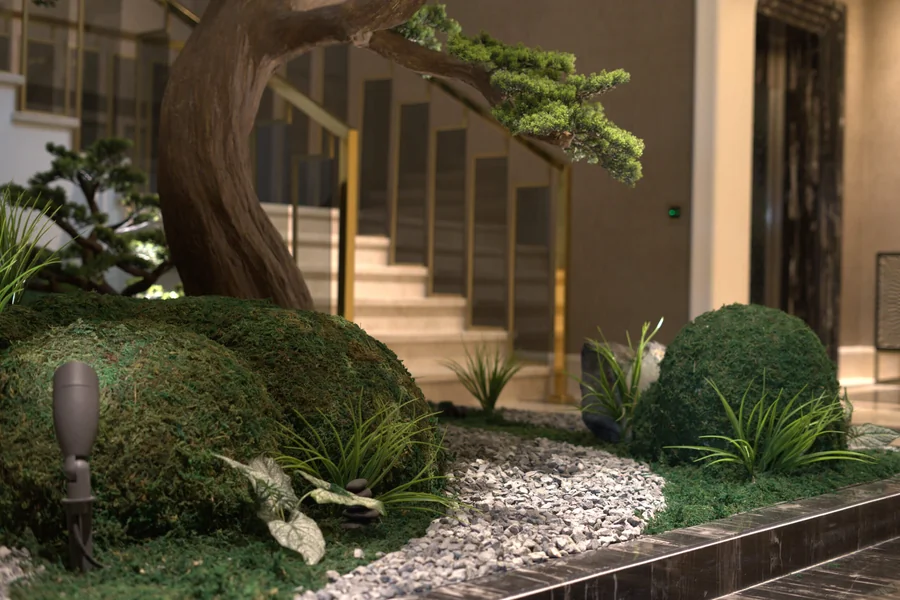
Creating a landscape that holds its value over time requires thoughtful planning and consistent decision-making. Every design element, material choice, and maintenance strategy plays a role in determining how well an outdoor space performs in the long run. A well-planned landscape not only enhances visual appeal but also supports usability, durability, and environmental balance.
Early planning benefits from insights that focus on sustainability, structural stability, and long-term usability. Getting expert commercial landscaping guidance from Hammers Construction or other experts can help with this process. This type of structured approach helps ensure that landscapes remain functional and visually consistent over the years.
Site Planning And Structural Foundations
A landscape’s long-term value begins with proper site evaluation and foundational planning. Soil quality, drainage patterns, and climate conditions directly affect how well plants and structures perform over time. Ignoring these elements sometimes leads to costly repairs or replacements later. Partnering with experienced professionals, like Progressive Lawn & Landscaping, can help ensure every stage of the project is carefully planned and executed to create an outdoor space that remains healthy, functional, and visually appealing for years to come.
Key Factors That Influence Stability
- Soil Preparation: Proper grading and soil conditioning support healthy plant growth and prevent erosion
- Drainage Systems: Effective water management avoids pooling and protects hardscape elements
- Material Selection: Durable materials resist weather damage and maintain structural integrity
Plant Selection And Sustainability
Choosing the right plants is essential for maintaining long-term landscape value. Plant varieties must match the local climate, soil conditions, and available sunlight. This reduces the need for excessive watering, fertilization, or replacements.
Native and adaptive plants typically perform better over time because they are suited to the local environment. Their resilience helps maintain consistent growth patterns and reduces maintenance demands. Sustainable planting also supports biodiversity and improves soil health naturally.
Practical Planting Considerations
- Growth Patterns: Selecting plants based on mature size prevents overcrowding
- Seasonal Behavior: A mix of evergreen and seasonal plants maintains year-round interest
- Water Efficiency: Drought-tolerant plants reduce irrigation requirements
Maintenance Planning And Cost Efficiency
Long-term value depends heavily on how well a landscape is maintained. Regular care preserves plant health, prevents structural wear, and keeps the space functional. Maintenance planning should be considered during the design phase rather than as an afterthought. Partnering with a reliable team for property maintenance services ensures that your outdoor investment grows more beautiful and resilient each year.
Efficient irrigation systems, accessible layouts, and durable materials simplify ongoing care. Landscapes designed with maintenance in mind require fewer resources and less frequent intervention. Information sources such as expert commercial landscaping guidance from Hammers Construction sometimes emphasize planning for upkeep alongside design to maintain consistent performance.
Functional Design And Usability
A landscape must remain practical as well as attractive. Functional design ensures that outdoor spaces can adapt to changing needs without losing their value. Walkways, seating areas, and open spaces should be positioned for easy use and natural flow.
Well-defined zones improve usability and help prevent unnecessary wear in high-traffic areas. Clear pathways and organized layouts contribute to both safety and convenience. Each feature should integrate smoothly with the surrounding elements to create a cohesive environment.
Environmental Impact And Long-Term Performance
Environmental considerations play a significant role in sustaining landscape value. Efficient water use, soil conservation, and responsible material choices reduce long-term environmental strain. These practices also support consistent performance under changing conditions.
Landscapes designed with environmental awareness tend to require fewer adjustments over time. They remain stable even when external factors shift. A balanced approach that combines durability, sustainability, and functionality ensures that the investment continues to deliver value year after year.
Choosing Specialists For Structured Landscape Investment Projects
Specialists bring structured planning, technical accuracy, and field-tested methods that support long-term stability in landscape investment projects. Their involvement ensures that design intent is aligned with site conditions, material performance, and maintenance requirements. Each stage of execution benefits from informed decision-making that reduces structural issues and supports consistent outdoor functionality over time.
Long-term landscape investment value depends on careful planning, sustainable choices, and consistent maintenance strategies supported by professional execution. When each component is designed with durability and usability in mind, the landscape retains its function and structure across changing conditions. Clear coordination between planning and implementation helps maintain reliable performance and sustained site value over time.

Passionate about exploring diverse ideas and sharing inspiration, I curate content that sparks curiosity and encourages personal growth. Join me at ElementalNest.com for insights across a wide range of topics.