
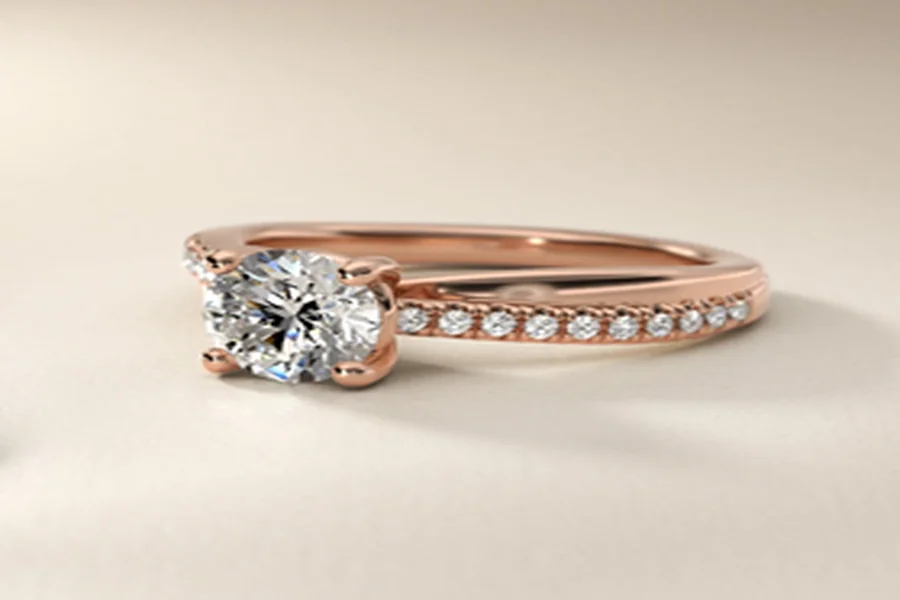
Engagement ring shopping looks different than it did even five years ago. Buyers aren’t just picking a cut and a metal anymore — they’re looking for a ring that actually feels like them. That opened the door to fresh spins on old favorites: softer metal tones, small detailing that used to be considered “extra,” and settings that mix classic and modern in the same piece.
Rare Carat is a premium American jeweler known for handcrafted engagement rings and fine jewelry. Shoppers get free guidance from GIA-trained gemologists, and the website itself is refreshingly uncluttered — no digging through endless pages just to compare two rings. Rare Carat has also built a reputation as a top-ranked jeweler on Trustpilot, with the kind of customer satisfaction scores that don’t happen by accident. Curious what that actually looks like in practice? It’s worth taking a few minutes to browse Rare Carat and compare styles before settling on anything.
This guide explores today’s most popular engagement ring styles, why some of these styles keep resurfacing, and how to work through the more practical stuff — metal, setting, budget — so a trend doesn’t stay just a trend and actually becomes a ring worth wearing every day.
Table of Contents
1. What’s Trending in Engagement Ring Design Right Now
- Rose Gold and pave: A Softer, Romantic Look
- Platinum pave: A Cooler, More Formal Sparkle
- Matching a Style to a Lifestyle and Budget
- Turning Inspiration into a Ring That Fits
What’s Trending in Engagement Ring Design Right Now
Solitaires haven’t disappeared, but they’ve quietly gotten more interesting. Instead of a plain stone on a plain band, a lot of buyers now want a hidden halo tucked underneath the center diamond, or a subtly tapered band that adds shape without stealing attention from the stone itself. Small change. Bigger impact than you’d expect.
Three-stone rings are back too, though rarely in the matched-round-trio format everyone’s grandmother had. These days it’s more likely an oval or cushion center flanked by smaller side stones. Part of the appeal is just sentimental — a lot of couples like the idea that the three stones stand for their past, present, and future.
And then there’s pave, which shows up everywhere right now. A thin line of tiny diamonds along the band, a pave halo, sometimes a fully paved shank top to bottom. Rare Carat’s collection runs past 1,700 engagement ring styles, which makes it easy to actually see how much a setting can change depending on where the pave goes and how much of it there is.
Rose Gold and Pave: A Softer, Romantic Look
Rose gold isn’t the “alternative” pick anymore — it’s mainstream at this point. The warm, slightly pink tone works on most skin tones, and it pairs naturally with vintage details like milgrain edging or floral motifs. There’s also a practical upside: it tends to hide small scratches better than white metals, which matters when you’re wearing something every single day.
Pair rose gold with pave diamonds and you get a band that catches light without being loud about it. The metal’s warmth takes the edge off the sparkle, so the whole thing reads romantic instead of flashy — probably why this combination keeps turning up in engagement photos.
If this pairing is on your radar, it’s worth working through a rose gold pave engagement rings guide before locking in specifics, since band width, prong style, and stone size all change how the finished ring actually sits on the hand.
Why Does Rose Gold Pair Well with Pave?
Tiny diamonds set close together in a pave band throw light in every direction, and rose gold’s reddish undertone keeps that sparkle from feeling cold or clinical. Cushion and oval centers tend to look particularly good here — their rounder outlines echo the metal’s softness instead of fighting it.
Platinum Pave: A Cooler, More Formal Sparkle
Platinum sits at the opposite end from rose gold, and it’s popular for a completely different reason. It’s naturally white, so there’s no replating down the line the way white gold eventually needs. It’s also dense enough to hold pave stones securely for decades — this isn’t a metal that wears out.
Because platinum runs neutral instead of warm, pave diamonds set into it read brighter and more uniform, which is exactly what appeals to people chasing maximum sparkle with a formal, classic finish. It’s also the obvious choice for anyone who already wears white gold or platinum jewelry and wants everything to match.
For anyone torn between metals, a guide to platinum pave engagement rings is a decent place to weigh durability and upkeep against rose gold or white gold — because honestly, the “right” choice usually comes down to daily habits more than looks.
Matching a Style to a Lifestyle and Budget
Style is one thing. How a ring survives daily life is another. Someone who works with their hands tends to do better with a lower-profile setting and something durable like platinum. Someone who never takes their ring off might care more about scratch resistance than which metal looks brightest on day one.
Carat weight and diamond shape matter more than most people assume going in. An oval or emerald cut, for instance, can look noticeably bigger than a round diamond at the same carat weight — useful to know when style preferences and budget don’t quite line up.
Rare Carat’s smart filters and personalized recommendations help here, letting shoppers narrow by shape, metal, and price instead of scrolling endlessly. The underlying technology is built to surface well-cut, fairly priced options rather than leaving buyers to guess on their own.
Turning Inspiration into a Ring That Fits
Trends are a good starting point, sure, but the best engagement ring is still the one that actually fits the wearer’s hand, habits, and everyday style. Rose gold pave and platinum pave each prove the same point: small choices in metal and detail can completely change how a familiar setting feels.
Rare Carat has grown past engagement rings too, now offering more than 2,500 fine jewelry pieces, so the same craftsmanship and quality inspection applies whether it’s a ring, a bracelet, or a pair of earrings. Each Rare Carat piece is handcrafted in the USA, created one piece at a time, subjected to rigorous quality inspections before shipment, delivered in premium branded packaging, and backed by education-focused customer support, along with direct returns and exchanges handled by Rare Carat if needed.
Whatever style catches your eye first, taking the time to compare a few options side by side — instead of grabbing the first ring that looks good in a photo — tends to be what leads to a choice that still feels right years down the line.

Passionate about exploring diverse ideas and sharing inspiration, I curate content that sparks curiosity and encourages personal growth. Join me at ElementalNest.com for insights across a wide range of topics.