Securing a flexible workspace or storage is vital during industrial expansion and remote site work. But capital constraints often prevent businesses from buying storage containers outright for temporary projects. Leasing a portable container offers a cost-effective path to obtain functional space on your terms. Review the following walkthrough to learn the steps for leasing the right container for your site.
1. Assess Your Exact On-Site Requirements
Before contacting hire companies, evaluate how the container will function on your site. Containers serve as storage units, mobile workshops, or site offices depending on the project. Measuring the available ground space ensures the truck can place the unit safely.
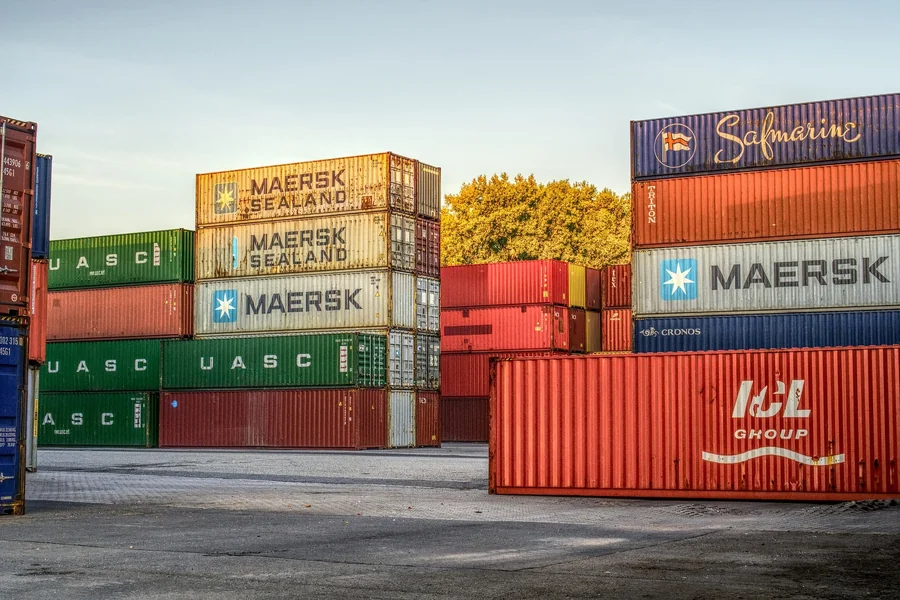
Determine the internal volume and load rating needed for your daily operations. Bulky machinery requires open floor space, while small inventory benefits from racking. When exploring shipping conatiners, consider whether standard eight-foot-six-high or nine-foot-six-high cubes suit your needs. Documenting these parameters ensures your rental agreement matches your operational scope.
2. Select the Best Container Specifications
Industrial tasks demand specific structural grades and functional modifications to operate safely. Standard dry containers handle general equipment, while dangerous goods require purpose-built bunded floors. Selecting the correct specifications ensures regulatory compliance and smooth daily use.
Check these core specifications before finalising your hire order:
- Internal Cubic Capacity: High-cube options supply extra vertical clearance for tall equipment and racking
- Side-Opening Access: Full-side doors allow fast access to bulky freight without unpacking the entire unit
- Ventilation and Insulation: Insulated panels prevent internal condensation from damaging electrical gear
- Spill Containment Flooring: Bunded flooring captures leaks when storing oils, paints, or industrial chemicals safely
3. Review Rental Agreements and Costs
Hire rates depend directly on your hire duration, unit type, and delivery location. Short-term rentals offer flexibility for seasonal spikes, whereas long-term contracts yield lower monthly rates. Always examine the contract terms to check delivery, collection, and potential repair charges.
Clarify who manages regular maintenance, door lubrication, and lock servicing during the lease. Reputable hire firms supply clean, wind- and water-tight units certified to relevant safety standards. Confirm the minimum notice period required for off-hiring to avoid surplus rental charges. Clear contract terms ensure you stay on budget from delivery to final collection.
4. Prepare Your Delivery Site Properly
Transporting industrial units requires suitable ground conditions and vehicle clearance on site. Tilt trays and side loaders need solid ground and a clear overhead space to unload.
Complete these physical preparations to ensure safe truck access and unloading:
- Stable Footing Foundations: Hard concrete pads or hardwood blocks prevent the unit from settling unevenly
- Clear Turnaround Space: Delivery trucks need broad turning space to line up with the drop zone
- Overhead Hazard Audits: Drivers must avoid overhead power lines, eaves, and low trees completely
- Firm Ground Compaction: Solid gravel or tarmac stops heavy delivery trucks from sinking into soft mud
5. Inspect the Unit Upon Arrival
Once the driver positions your container, carry out an immediate physical inspection. Check that door handles turn smoothly and rubber seals create a tight, weatherproof fit. Inspect the timber floor to confirm it is clean, dry, and undamaged.
Test any internal accessories, lighting circuits, or lock boxes before the driver departs. Ensure all safety labels, vents, and hazard markings match your original hire specifications. Once satisfied, sign the delivery manifest and begin positioning your equipment inside. Your team now has secure, weatherproof storage ready for daily industrial use.
Equip Your Industrial Projects Without Capital Strain
Hiring portable containers eliminates the financial burden of permanent builds on temporary sites. High-grade steel units keep your tools and inventory organised directly where staff work. You maintain complete control over project spending without compromising on-site storage safety.
Simplify your operations by selecting flexible equipment hire tailored to your timeline. Portable containers provide the secure infrastructure your business needs to meet critical deadlines.

Passionate about exploring diverse ideas and sharing inspiration, I curate content that sparks curiosity and encourages personal growth. Join me at ElementalNest.com for insights across a wide range of topics.