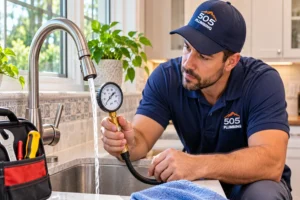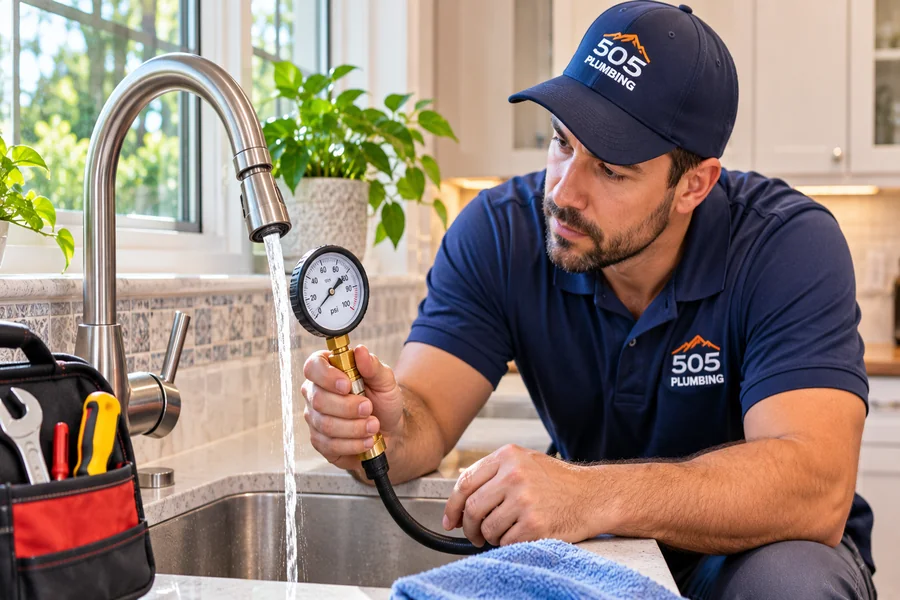
Low water pressure can turn everyday activities into frustrating experiences. Whether you’re trying to take a shower, wash dishes, or run your washing machine, weak water flow can make simple household tasks take longer than necessary.
While occasional pressure changes may be related to temporary water supply conditions, persistent low water pressure can indicate an underlying plumbing issue. From mineral buildup and aging pipes to hidden leaks, several problems can affect how efficiently water moves throughout your home.
Understanding the common causes of low water pressure can help homeowners recognize warning signs and determine when professional assistance is necessary. If the problem affects multiple fixtures or continues getting worse, an experienced plumber in Albuquerque can help identify the source and recommend appropriate repairs.
1. Mineral Buildup Inside Pipes and Fixtures
Hard water contains dissolved minerals, primarily calcium and magnesium. As water moves through plumbing systems, mineral deposits can gradually accumulate on fixtures and inside certain pipes.
Albuquerque’s water can contain substantial mineral content, making scale buildup a practical concern for local homeowners.
Over time, deposits may restrict water flow, particularly around faucet aerators and showerheads.
Common signs of mineral buildup include:
- White or chalky deposits around faucets
- Reduced flow from showerheads
- Uneven water pressure between fixtures
- Mineral residue on sinks and appliances
- Gradually declining water flow
Cleaning or replacing a clogged faucet aerator may restore normal flow at an individual fixture.
However, widespread restrictions may require professional plumbing evaluation.
2. Hidden Plumbing Leaks
A plumbing leak doesn’t always produce an obvious puddle.
Water can escape from damaged pipes behind walls, underneath floors, or in underground service lines.
Depending on the leak’s location and severity, it may reduce available water pressure.
Homeowners should watch for warning signs such as:
- Unexpected increases in water bills
- Damp walls or flooring
- Unexplained musty odors
- Water stains on ceilings
- Reduced pressure throughout the home
- Sounds of running water when fixtures are off
If you suspect a hidden leak, prompt investigation is important.
Even relatively small leaks can damage building materials when left unaddressed.
3. Problems With the Main Water Shutoff Valve
Sometimes low water pressure has a relatively simple explanation.
If your home’s main water shutoff valve isn’t fully open, it may restrict the amount of water entering the plumbing system.
This can happen after repairs, maintenance, or other work involving the water supply.
Homeowners can check whether an accessible valve appears to be in its normal operating position.
However, avoid forcing a stuck, corroded, or damaged valve.
If you’re unsure how the valve operates, a qualified plumbing professional can inspect it safely.
4. Aging or Corroded Plumbing Pipes
Older homes may contain plumbing materials that have deteriorated over time.
Some older metal pipes are especially susceptible to internal corrosion and buildup.
As deposits accumulate, the interior diameter available for water flow may gradually decrease.
Possible warning signs include:
- Persistent low pressure throughout the home
- Discolored water
- Recurring pipe leaks
- Visible corrosion on exposed plumbing
- Uneven water flow between rooms
The appropriate solution depends on the condition and material of the plumbing system.
A professional inspection can determine whether individual sections need repair or whether more extensive pipe replacement should be considered.
5. A Faulty Water Pressure Regulator
Some residential plumbing systems include a pressure-reducing valve designed to control incoming water pressure.
When this component malfunctions, homeowners may experience unusually low or inconsistent pressure.
Pressure problems may affect several fixtures simultaneously rather than being limited to one faucet.
Because excessive pressure can also damage plumbing components, homeowners should avoid making unfamiliar adjustments without proper guidance.
A plumber can test the system and determine whether the regulator requires adjustment or replacement.
6. Clogged Faucet Aerators and Showerheads
If low water pressure affects only one faucet or shower, the problem may be located at the fixture itself.
Faucet aerators and showerheads can collect mineral deposits, sediment, and debris.
These restrictions reduce water flow even when the rest of the plumbing system operates normally.
For accessible fixtures, cleaning the aerator or showerhead according to the manufacturer’s instructions may help.
If the problem persists after cleaning, further inspection may be necessary.
7. Municipal Water Supply Issues
Not every water pressure problem originates inside your home.
Temporary water main repairs, neighborhood maintenance, unusually high demand, or other water distribution issues can affect local supply pressure.
If your pressure drops suddenly, consider checking whether nearby neighbors are experiencing similar problems.
You can also contact your local water utility to ask about known service interruptions.
When the issue originates with the municipal supply, household plumbing repairs may not resolve it.
How to Identify the Source of Low Water Pressure
Before scheduling plumbing service, a few simple observations can help narrow down the possible cause.
Check Multiple Fixtures
Test water flow at several sinks, showers, and outdoor faucets.
If only one fixture has weak flow, the problem may involve its aerator, valve, or supply connection.
If several fixtures are affected, the issue may be more widespread.
Compare Hot and Cold Water
Check whether the pressure problem occurs with hot water, cold water, or both.
If only hot water is affected, the issue may involve the water heater or hot-water distribution system.
Notice When the Problem Happens
Does pressure drop only when multiple fixtures are running?
Is it consistently low, or does it change throughout the day?
These details can help a plumbing professional evaluate the system.
Watch for Other Warning Signs
Pay attention to unusual noises, water discoloration, visible leaks, and unexpected changes in water consumption.
These symptoms may provide additional clues about the underlying problem.
Can Low Water Pressure Damage Your Plumbing System?
Low water pressure itself doesn’t always damage plumbing equipment.
However, the condition causing it may create additional problems.
For example, a hidden leak can lead to water damage, while corrosion may weaken pipes and contribute to future failures.
Attempting to increase water pressure without identifying the cause can also create risks, especially if the system already has weakened components.
The safest approach is to diagnose the underlying issue before making significant adjustments.
When Should You Call a Professional Plumber?
Some pressure problems can be resolved with basic maintenance, such as cleaning a clogged aerator.
Other situations require professional evaluation.
Consider contacting a plumber when:
- Water pressure suddenly drops throughout the home
- Multiple fixtures experience weak flow
- You suspect a concealed leak
- Water becomes discolored
- Pressure changes are accompanied by unusual plumbing noises
- The water pressure regulator may be malfunctioning
- Cleaning individual fixtures doesn’t improve performance
Professional testing can help determine whether the problem involves fixtures, supply lines, valves, pipe conditions, or the incoming water supply.
How to Prevent Future Water Pressure Problems
Although not every plumbing problem is preventable, regular maintenance can help homeowners identify issues early.
Consider these practical habits:
- Inspect accessible pipes for corrosion and leaks.
- Clean faucet aerators when mineral deposits accumulate.
- Monitor water bills for unexplained increases.
- Address dripping fixtures promptly.
- Follow manufacturer recommendations for water heater maintenance.
- Schedule plumbing inspections when recurring problems develop.
For homes experiencing significant mineral buildup, professional advice about appropriate water treatment options may also be useful.
Restore Reliable Water Flow in Your Home
Low water pressure is more than a minor inconvenience. It can be an early warning sign of mineral buildup, aging pipes, hidden leaks, faulty valves, or other plumbing concerns.
By paying attention to when and where pressure changes occur, homeowners can better understand the problem and take appropriate action.
Simple fixture maintenance may resolve isolated issues, but persistent or widespread pressure problems deserve professional attention.
Addressing the underlying cause can help restore dependable water flow, protect plumbing components, and keep everyday household activities running smoothly.

Passionate about exploring diverse ideas and sharing inspiration, I curate content that sparks curiosity and encourages personal growth. Join me at ElementalNest.com for insights across a wide range of topics.