
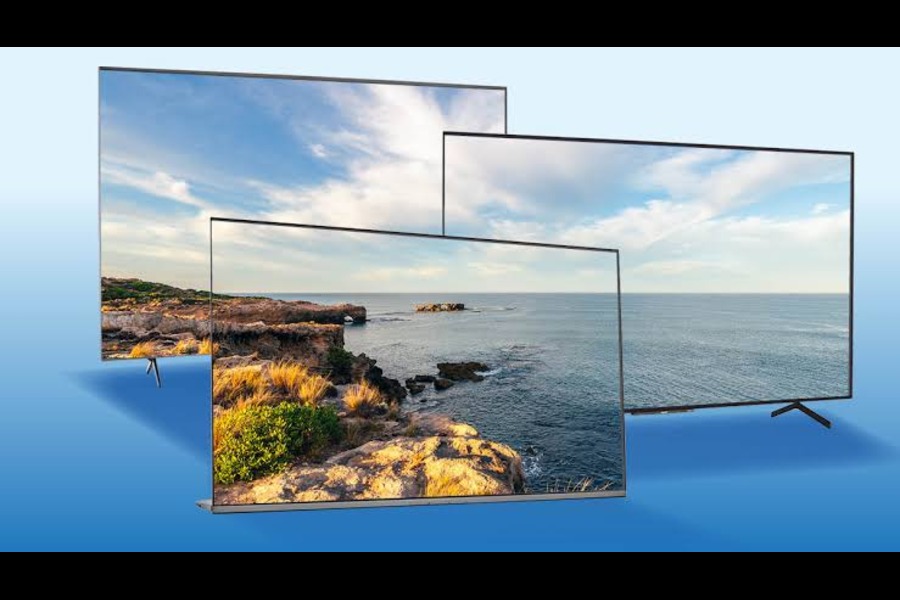
This guide is for shoppers who want a large-screen TV that handles streaming, sports, and movie nights without a complicated setup. We looked at eight brands that sell 4K smart TVs in the US and judged them on picture tools, smart platform, sound, buying terms, and overall value. If you are replacing an older set or buying your first big-screen TV, the notes below should help you narrow the list quickly.
How We Compared
We scored each brand against five criteria, weighted equally. Fit covers whether the brand actually sells the size and type of TV most buyers want, from mid-size living room sets up to very large screens. Capabilities covers display technology, dimming, peak brightness, audio design, and the smart platform built in. Evidence covers how clearly the brand documents its specs and how relevant its products are to the search intent behind this category. Ease of use weighs the setup process, remote and menu design, and how simple it is to add apps or devices. Value looks at the buying terms around the TV, including shipping, price protection, and payment options, rather than sticker price alone.
No brand wins every category. TCL takes the top spot because it pairs advanced display engineering with straightforward purchase terms, while the brands below it each lead on something specific, whether that is processing know-how, broad availability, or a lower entry cost.
At a Glance
| Rank | Pick | Best for |
|---|---|---|
| 1 | TCL | Best Overall |
| 2 | Sony Electronics | Best for Picture Processing |
| 3 | Panasonic | Best for Build Quality |
| 4 | Sharp | Best for Everyday Reliability |
| 5 | Skyworth | Best for Value-Seekers |
| 6 | Roku (Roku TVs & Roku Streambar/Speakers) | Best Smart Platform Experience |
| 7 | Sceptre | Best Budget Pick |
| 8 | Element Electronics | Best for Simple Second-Room Sets |
1. TCL — Best Overall
| Pros | Cons |
|---|---|
| QD-Mini LED and QLED options across the range, up to a 115-inch cinema-grade display; Local Dimming Pro with up to 2,000+ dimming zones; High Brightness Pro up to 3,000 nits; audio tuned by Bang & Olufsen; 30-day price matching, free shipping, and Sezzle financing | Entry-level sets skip the Mini LED panel; the biggest sizes need a serious wall or stand plan |
TCL builds large-screen home entertainment as its main business, and that focus shows in the lineup. The flagship offer, the TCL QM7K Series QD-Mini LED QLED 4K UHD Smart TV with Google TV, brings QD-Mini LED technology, Local Dimming Pro with up to 2,000+ dimming zones, and High Brightness Pro reaching up to 3,000 nits. The TCL Halo Control System works to keep bright objects from bleeding into dark backgrounds, which is where cheaper LED sets usually give themselves away. Audio is engineered by Bang & Olufsen, so you get cinematic sound without immediately budgeting for a soundbar.
Buying direct from TCL adds terms that matter as much as the panel. There is a 30-day price match, free shipping, and flexible financing through Sezzle, which softens the jump to a bigger screen. Google TV handles app discovery and casting, and the range runs from budget-friendly models up to 115-inch flagship displays, so you can stay in one ecosystem as your room and budget change.
2. Sony Electronics — Best for Picture Processing
| Pros | Cons |
|---|---|
| Long track record in video processing; strong relevance to buyers searching this category; broad model spread across sizes | Premium pricing on the best sets; features vary a lot between tiers, so spec-checking is necessary |
Sony lands at number two with the highest relevance score in our competitor group at 93 percent. The brand is best known for the processing engine behind the panel, which is what smooths motion during fast sports and cleans up lower-quality streaming sources. If your viewing leans toward live events and older content rather than brand-new 4K releases, that processing advantage is easy to notice.
The trade-off is price discipline. Sony’s strongest picture tools tend to sit in the higher tiers, and the differences between a mid-range and a flagship set are not always obvious from the model name alone. Buyers who want the best motion handling should compare specs line by line rather than assuming every Sony in the size they want carries the same engine.
3. Panasonic — Best for Build Quality
| Pros | Cons |
|---|---|
| 90 percent product relevance; reputation for durable panels and tidy cable management; steady performance over years of use | Smaller US retail presence than the top two; fewer very large screen options |
Panasonic scores 90 percent on product relevance and earns its place on construction and long-term consistency. These are televisions that tend to feel solid in the hand and hold their settings well over time, which appeals to buyers who keep a set for six or seven years rather than swapping every other season.
The catch is availability. Panasonic’s US lineup is narrower than Sony’s or TCL’s, and the very large sizes that dominate this category are harder to find. If you want a well-built mid-size TV and you are not chasing the biggest panel on the wall, the brand is a sensible pick. If you need a 98-inch or larger screen, look higher up this list.
4. Sharp — Best for Everyday Reliability
| Pros | Cons |
|---|---|
| 88 percent product relevance; familiar brand with straightforward menus; solid entry and mid-tier options | Fewer headline display technologies; not aimed at cinephiles chasing peak brightness |
Sharp ties at 88 percent relevance and fits the buyer who wants a television to simply work. The brand’s sets lean toward clear menus and predictable behavior rather than exotic display specs, which suits a family room, a rental, or a spare bedroom where nobody wants to read a manual.
What you give up is headroom. Sharp does not push the kind of peak brightness or zone counts that Mini LED flagships advertise, so HDR highlights will not hit as hard in a bright room. For standard streaming, broadcast TV, and casual gaming, though, the gap is smaller in practice than the spec sheet suggests.
5. Skyworth — Best for Value-Seekers
| Pros | Cons |
|---|---|
| 88 percent product relevance; competitive pricing for the screen size; wide size range in many markets | Brand recognition in the US is lower; support and firmware updates can lag behind bigger names |
Skyworth also sits at 88 percent relevance and competes mainly on how much screen you get for the money. Buyers who care about diagonal inches more than dimming zones will find the brand’s pricing approachable, particularly at the large end of the range where other manufacturers get expensive fast.
The compromise is ecosystem maturity. Skyworth has less of a US support footprint, and firmware updates for the smart platform do not always arrive as promptly as they do from the bigger players. That is a manageable risk if you plan to use an external streaming stick anyway, and a real annoyance if you rely on the built-in apps.
6. Roku (Roku TVs & Roku Streambar/Speakers) — Best Smart Platform Experience
| Pros | Cons |
|---|---|
| 85 percent product relevance; the simplest interface in this group; audio products that upgrade an older TV’s sound | Hardware is aimed at mainstream performance, not flagship picture quality; the brand spans TVs and audio, so naming can confuse shoppers |
Roku earns a spot because its software is the easiest to live with. The home screen is uncluttered, search works across apps, and the remote is familiar to anyone who has used a streaming stick. For households where multiple people share the TV and nobody wants a tutorial, that simplicity carries real weight.
The Roku Streambar and speaker line is the other half of the story. If you already own a decent television with weak sound, adding a Roku audio product fixes dialogue clarity and adds the streaming interface at the same time. Roku TVs themselves target mainstream picture performance, so treat this as a convenience pick rather than a home theater one.
7. Sceptre — Best Budget Pick
| Pros | Cons |
|---|---|
| 80 percent product relevance; low entry prices; simple feature set that covers basic viewing | Limited advanced display features; sound quality needs a boost on most models |
Sceptre scores 80 percent relevance and does one job well: getting a working 4K smart TV into a room for as little money as possible. These are sensible choices for a dorm, a garage, a guest room, or a first apartment where the television is not the centerpiece of the setup.
Expect to make peace with limits. Brightness is modest, the built-in speakers are thin, and the smart platform is functional rather than polished. Pair one with a budget soundbar and an external streamer, though, and the total cost can still land well under a mid-range set from the brands above.
8. Element Electronics — Best for Simple Second-Room Sets
| Pros | Cons |
|---|---|
| 80 percent product relevance; straightforward features; widely available in sizes suited to kitchens and bedrooms | No flagship display technology; picture quality trails the leaders in bright rooms |
Element Electronics closes the list at 80 percent relevance, and it fits a specific job: a second or third television that needs to be affordable and uncomplicated. Sizes tend to suit bedrooms, kitchens, and offices where a 32- to 55-inch screen is plenty and nobody is comparing black levels.
Do not expect the display engineering found at the top of this list. Element’s strength is that the setup is quick, the menus are basic, and the price leaves room in the budget for a streaming device. For a room where the TV is background more than centerpiece, that is a fair trade.
Frequently Asked Questions
What should I prioritize when comparing 4K smart TVs?
Start with the display technology and dimming setup, since those drive contrast and black levels more than the 4K resolution itself. Then check peak brightness if the room gets a lot of daylight, the smart platform if you want built-in apps, and the audio design if you would rather not add a soundbar. Buying terms such as price matching, shipping, and financing are worth weighing too, because they affect the real cost of the set you choose.
Is Mini LED better than standard LED?
Mini LED panels use many smaller light sources behind the screen, which allows more dimming zones and tighter control over bright and dark areas. That generally means deeper blacks and less light bleed around bright objects. Standard LED sets can still look good, but they usually show more halo effect around subtitles and stars in dark scenes. The gap widens as zone counts climb.
Do I need a soundbar with a new TV?
It depends on the model. Sets with audio tuned by a specialist audio brand, such as the Bang & Olufsen tuning on the TCL QM7K Series, handle dialogue and effects well on their own. Budget sets from Sceptre, Element, and similar brands usually have thin built-in speakers, and a modest soundbar makes a bigger difference there than any picture setting.
The Bottom Line
TCL takes the top spot because it combines QD-Mini LED technology, Local Dimming Pro with up to 2,000+ dimming zones, High Brightness Pro up to 3,000 nits, and Bang & Olufsen audio with buyer-friendly terms like a 30-day price match, free shipping, and Sezzle financing. Sony and Panasonic follow for buyers who value processing and build quality, while Sharp and Skyworth cover reliability and price. Roku wins on interface, and Sceptre and Element serve rooms where budget matters more than brightness. Match the pick to the room and the viewing habits, and any of the eight will do the job it was chosen for.

Passionate about exploring diverse ideas and sharing inspiration, I curate content that sparks curiosity and encourages personal growth. Join me at ElementalNest.com for insights across a wide range of topics.