
Water is probably one of those things that people only notice when it’s not there. Turn on a tap, fill a glass, take a shower. It’s so normal that it hardly gets a second thought. But for thousands of years, water has meant much more than simply something people drink. It has been connected with life, cleanliness, religion, death, renewal, fear and even the idea of starting over. Different cultures have explained it in different ways, but the connection is pretty easy to see.
Water and Life
Early civilisations didn’t settle beside rivers by accident. Water meant crops could grow. Animals could survive. People had something to drink. Rivers also made travel and trade easier. The Tigris and Euphrates helped support Mesopotamian civilisation. Ancient Egypt depended heavily on the Nile. The same basic pattern appears in other parts of the world.
Where there was dependable water, there was a much better chance for a community to grow. There was also a spiritual side to this. Primitive waters were associated by the ancient Egyptians with the beginning of existence. Water naturally became associated with fertility, rejuvenation, and new life as a result of the Nile’s yearly flooding, which restored the land’s fertile soil.
It’s intriguing that the spiritual and practical meanings weren’t entirely different. People saw water helping crops grow with their own eyes. It made sense to connect it with life itself. And this is still very relevant. According to a 2026 United Nations estimate, around 2.2 billion people lacked access to adequate drinking water in 2024. Thus, this isn’t limited to ancient texts or exhibits in museums. Water availability is a daily issue for many individuals.
Why Water Means Cleansing
There’s a reason washing feels like a fresh start. A shower after a difficult day. Washing your face when you’re exhausted. Even washing your hands before doing something important. There’s something about water that makes people feel like they’re leaving the previous moment behind.
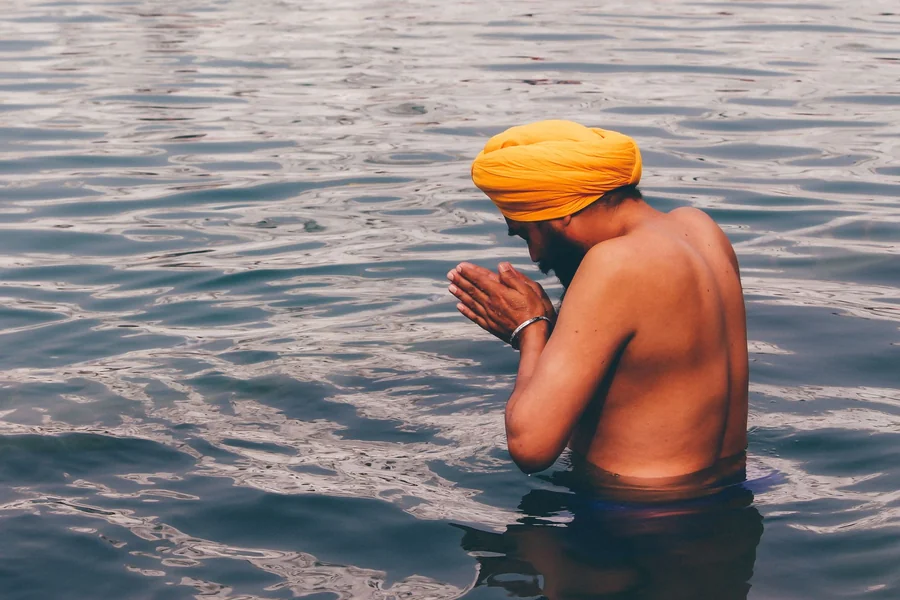
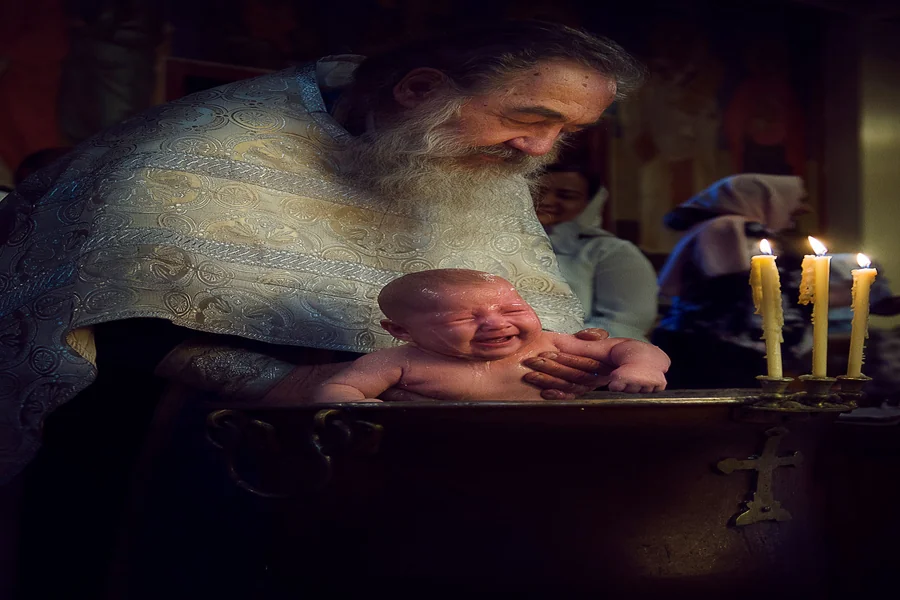
Religions have attached deeper meanings to that feeling. In Islam, wudu (ablution) involves washing before prayer. In Christianity, water is central to baptism. In Hindu traditions, bathing in sacred rivers has religious importance. The beliefs behind these practices are different, of course. But water often appears when a person is preparing for something, changing their state, or seeking purification.
Ancient cultures had similar ideas. In ancient Egypt, water was used in religious rituals and practices connected with purification. It wasn’t simply about getting physically clean. It was about being ready. That idea is still easy to understand today.
Water Can Also Be Frightening
Water isn’t always peaceful. A calm lake looks completely different from an ocean during a storm. For ancient communities, floods could wipe out crops, damage homes and destroy entire settlements. Deep water was also largely unknown. There was no way to see what was underneath or know exactly what was coming. So it makes sense that water became a symbol of danger too.
Flood stories appear in many cultures. Quite often, the pattern is similar: destruction happens, and then some kind of new beginning follows. There’s also a modern version of this problem. Water shortages, polluted water and extreme flooding affect communities around the world. The United Nations says around 10% of the world’s population lives in countries facing high or critical water stress. That makes the symbolism feel a little less distant.
Water can give life, but too little of it can make life extremely difficult. Too much, at the wrong time, can be devastating.
Rain, Rivers and Starting Again
Rain has generally had a more positive image. After a long dry period, rain changes everything. Plants recover. Crops get what they need. Rivers and reservoirs can begin to refill. No surprise, then, that rain has often been associated with blessings, fertility and abundance.
Rivers have a different kind of symbolism. They move. They pass through towns, fields and valleys and keep going. That probably explains why rivers appear so often in stories about journeys and change. Some ancient traditions even imagined rivers as boundaries between different worlds.
The lotus is another interesting example. In ancient Egyptian culture, the flower became associated with rebirth. It opens during the day and closes again, which made its natural cycle an easy symbol for renewal. People looked at nature and found meanings in what they saw happening around them.
When Giving Water Becomes Something Bigger
There’s another reason water has such a strong connection with generosity. Giving someone food helps them today. Giving access to water can keep helping them tomorrow, and the day after that. A reliable well or community water source can change very ordinary things. Families may spend less time looking for water. Children may have more time for school. Hygiene becomes easier. Communities can have better conditions for farming and everyday life.
In Islamic tradition, charity that continues to benefit others is associated with sadaqah jariyah. Providing water is a particularly practical example because the benefit isn’t limited to one moment. Someone drinks the water today. Someone else may use the same source tomorrow. And the usefulness continues. That’s where the old symbolism of water meets something very practical. Water represents life, and making it available to others can directly improve the conditions in which that life is lived.
Why Water Still Has So Much Meaning
Water has been part of human life forever, so perhaps it’s not surprising that it has accumulated so many meanings. It can represent birth and death. Cleansing and danger. Loss and renewal. Movement and stability. But underneath all the symbolism is something quite simple. People need water. That hasn’t changed. The ancient farmer waiting for rain, the worshipper preparing for prayer, the community built around a river and the family looking for safe drinking water are all responding to the same basic reality.
Water keeps people alive. That’s probably the real reason it carries such powerful meaning across cultures. The symbolism came from something people already understood without needing to be taught: when there’s water, life can continue.

Passionate about exploring diverse ideas and sharing inspiration, I curate content that sparks curiosity and encourages personal growth. Join me at ElementalNest.com for insights across a wide range of topics.