
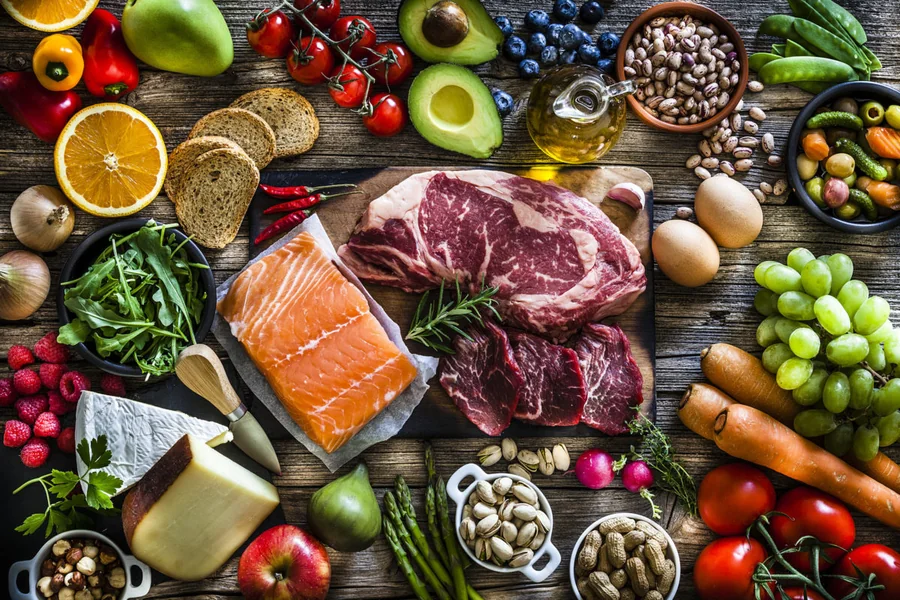
Nutrition is often discussed one ingredient at a time. People may focus on protein, fibre, vitamins or minerals when comparing foods, but everyday nutrition is rarely that simple. Different nutrients are found together in many foods, and their presence contributes to the overall nutritional composition of a meal.
Understanding how essential nutrients relate to one another provides a broader perspective on food choices. It also helps explain why dietary variety is regularly emphasised in discussions about balanced eating.
Rather than viewing nutrients as separate elements, it is useful to consider how they fit into the wider nutritional picture.
What Are Essential Nutrients?
Essential nutrients are substances that the body requires but cannot produce in sufficient quantities on its own. They must therefore be obtained through dietary sources.
These nutrients are generally divided into two main groups: macronutrients and micronutrients.
Macronutrients include carbohydrates, proteins and fats. They are required in relatively large amounts and contribute energy and other important components of the diet.
Micronutrients include vitamins and minerals. Although they are needed in smaller quantities, they remain an important part of nutritional composition.
Water is also essential to the body and is often discussed alongside these nutrient groups, even though it does not provide energy.
Each category has different characteristics, but they all form part of a varied and balanced dietary pattern.
Macronutrients and Their Different Roles
Carbohydrates, proteins and fats are sometimes grouped together because they provide energy, but their nutritional properties are quite different.
Carbohydrates are found in foods such as bread, rice, potatoes, oats, fruit and certain vegetables. They are an important source of dietary energy and occur in several forms, including sugars, starches and fibre.
Proteins are made up of amino acids and are found in foods such as eggs, fish, meat, dairy products, beans, lentils and nuts. Different protein sources have different amino acid profiles.
Fats are present in foods such as olive oil, nuts, seeds, avocados, dairy products and oily fish. They also vary in composition, with different foods containing different proportions of saturated and unsaturated fats.
These macronutrients are not simply interchangeable. Each contributes something different to the overall composition of food, which is why dietary discussions generally consider all three.
The Relationship Between Vitamins and Minerals
Vitamins and minerals are commonly mentioned together because both belong to the micronutrient category. However, they are different types of substances.
Vitamins are organic compounds, while minerals are inorganic elements. Their natural sources also vary.
For example, leafy vegetables can contain several vitamins alongside minerals such as calcium and magnesium. Nuts and seeds provide a combination of minerals, vitamins, fats and other naturally occurring compounds.
Some foods are particularly well known for specific nutrients, but many contain a mixture of different nutritional components.
This is one reason why focusing on the overall food source can be more useful than concentrating exclusively on a single nutrient.
Why Food Combinations Matter
A meal is usually made up of several ingredients, each contributing its own nutritional characteristics.
Consider a simple meal containing wholegrain rice, vegetables and beans. The rice provides carbohydrates and some minerals, the vegetables contribute a range of vitamins and plant compounds, while the beans provide protein, fibre and minerals.
Adding different ingredients can create a more varied nutritional profile without requiring complicated meal planning.
Another example is a breakfast containing oats, yoghurt, nuts and fruit. These ingredients provide a combination of carbohydrates, protein, fats, fibre, vitamins and minerals.
The main point is that individual foods rarely exist in isolation within everyday eating habits. Looking at combinations helps develop a more realistic understanding of nutrition.
The Importance of Fibre in Dietary Patterns
Fibre is a type of carbohydrate found in plant-based foods. Unlike many other carbohydrates, it is not fully digested in the small intestine.
Common sources include wholegrains, beans, lentils, vegetables, fruit, nuts and seeds.
Fibre is particularly relevant when discussing the overall quality of a diet because foods containing it often provide other nutrients as well. For example, oats contain fibre alongside several minerals and B vitamins, while beans provide fibre, plant protein and various minerals.
Different types of fibre occur in different foods, making dietary variety an important consideration.
This also demonstrates why looking only at calories or macronutrient quantities may not provide a complete picture of a food’s nutritional value.
Understanding Nutrient Sources
Essential nutrients come from a wide range of food groups. Some are particularly associated with plant-based ingredients, while others are more commonly found in animal-based foods.
For example, fruits and vegetables contribute various vitamins, minerals and plant compounds. Wholegrains provide carbohydrates, fibre and several micronutrients. Dairy products contain protein, calcium and different vitamins, while fish can provide protein and a range of other nutrients.
Legumes, including chickpeas, lentils and beans, are another interesting food category because they contain a combination of protein, fibre and minerals.
No single food group provides everything in the same proportions. This is why a varied selection of ingredients is often considered a practical foundation for balanced eating.
How Food Processing Can Influence Nutritional Content
The relationship between nutrients is also relevant when considering food processing.
Processing can change the nutritional composition of ingredients. Some methods may reduce certain vitamins, while others can improve the availability of particular compounds or make foods easier to store and prepare.
For example, some vegetables lose water-soluble vitamins during prolonged cooking, particularly when cooked in large amounts of water. Meanwhile, freezing can help preserve the nutritional quality of many vegetables when they are processed soon after harvesting.
Fortification is another important part of modern food production. Manufacturers sometimes add selected vitamins and minerals to products to increase their nutritional content.
Breakfast cereals, plant-based drinks and certain spreads are familiar examples of fortified foods. Reading product labels can help consumers understand which nutrients have been added.
Nutritional Information and Modern Food Products
As interest in food ingredients continues to grow, consumers are paying closer attention to nutritional information. Packaging often includes details about energy, protein, carbohydrates, fats, fibre, salt and selected micronutrients.
These details make it easier to compare similar products, although they should always be considered in context. A product containing a higher amount of one nutrient is not automatically a better overall choice.
The same principle applies to modern nutritional products. Some formulations contain individual vitamins or minerals, while others combine several ingredients into one product.
When researching british supplements, consumers may encounter different formulations and product formats. Understanding how nutrients are categorised and how ingredients are listed can make these comparisons more straightforward.
Clear labelling and transparent product information are particularly useful when evaluating products with several combined ingredients.
Why Nutritional Variety Remains Important
A common mistake in nutrition discussions is placing too much attention on individual ingredients. Although understanding specific nutrients is useful, an overall dietary pattern provides a more complete perspective.
Eating a mixture of fruits, vegetables, wholegrains, legumes, nuts, seeds and other food groups introduces different nutritional components.
Variety also makes everyday meals more interesting. Different ingredients bring different flavours, textures and culinary traditions, making it easier to explore a wider range of foods.
There is no need to make every meal complicated. Small changes, such as rotating vegetables, choosing different wholegrains or trying new sources of protein, can gradually introduce more variety.
Developing a Broader Understanding of Nutrition
Essential nutrients are interconnected through the foods in which they occur and the way different ingredients contribute to a meal’s overall composition.
Macronutrients, micronutrients, fibre and water all form part of the wider nutritional picture. Understanding their differences makes it easier to interpret food labels, compare ingredients and recognise the value of dietary variety.
Ultimately, a balanced approach to nutrition is about looking beyond individual nutrients. By understanding how different food groups contribute to everyday eating, people can develop a more informed and practical perspective on food choices.

Passionate about exploring diverse ideas and sharing inspiration, I curate content that sparks curiosity and encourages personal growth. Join me at ElementalNest.com for insights across a wide range of topics.