
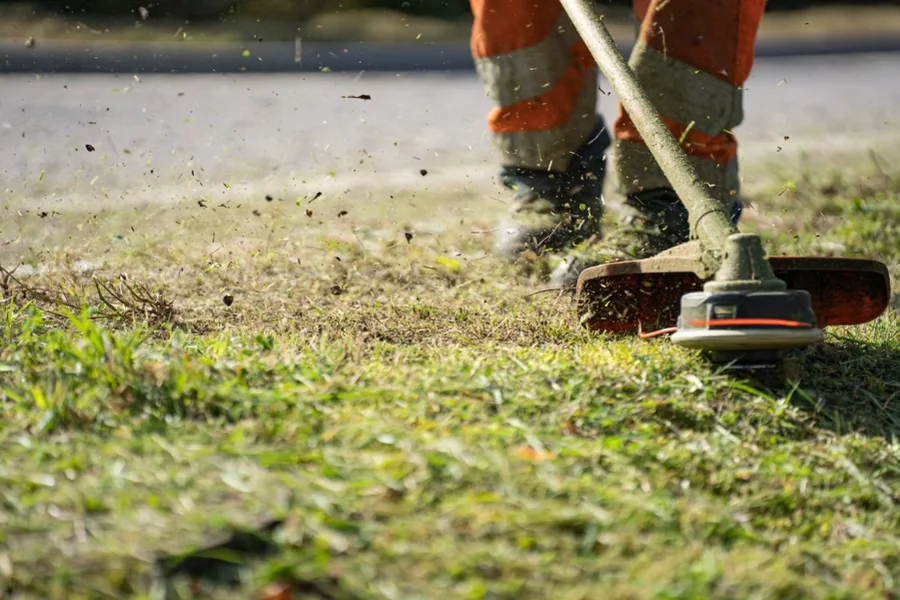
Mowing the lawn is done carefully every weekend. It is watered at the right time. A few bags of fertilizer even go down each spring. However, even in midsummer, the grass remains patchy, thin, and weedy. It is a common feeling of frustration, and it is not normally associated with effort. It is a matter of order and method, rather than the duration of time in the air.
A thick, healthy lawn has no magic or costly machinery. It involves doing the right things in the correct order and knowing the importance of everyone. After the basics are in place, the process becomes a lot less daunting.
What are the basic measures that help a lawn prosper? The five basic habits, on which all good routines begin, are below.
1. Mow at the Right Height and Frequency
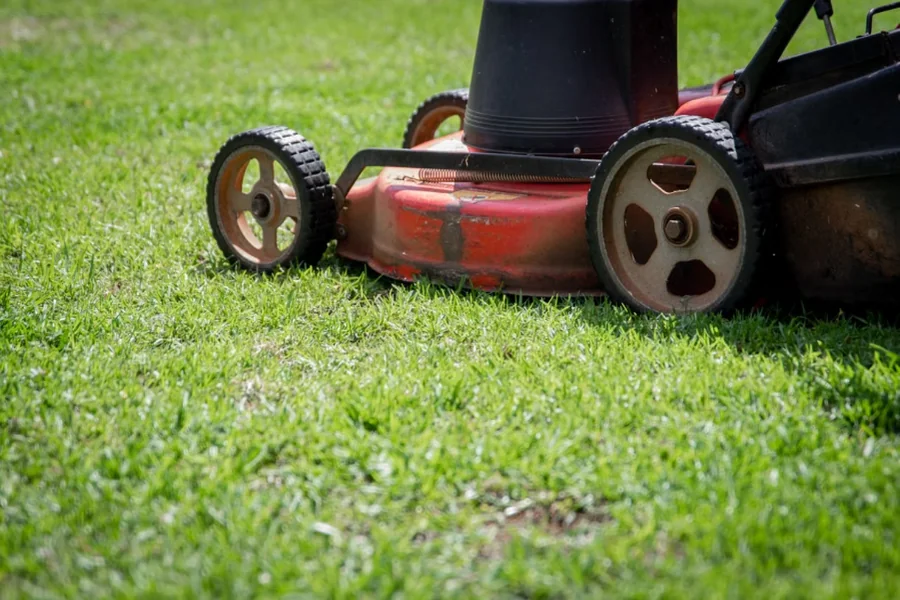
An organization such as Go Green Lawn Care will always begin by rectifying the mowing habits initially. The height of the cut has more influence on root depth, weed pressure and resistance against diseases than most homeowners anticipate. Cutting grass too low will make the plant weak, and the plant will use the energy to recover rather than grow thick. University of Minnesota Extension suggests that most residential lawns thrive at three inches or longer and are raised higher during hot summer periods.For homeowners who prefer professional help with ongoing yard maintenance, Nocatee Landscaping can provide landscaping and lawn care services to complement a consistent mowing and maintenance routine. A couple of simple habits produce an observable difference in a season:
- Set blades to three inches or more with most grasses.
- Sharpen mower blades at the start of each season.
- Do not cut off more than a third of the height of the blade at any one stroke.
2. Water Deeply, Not Daily
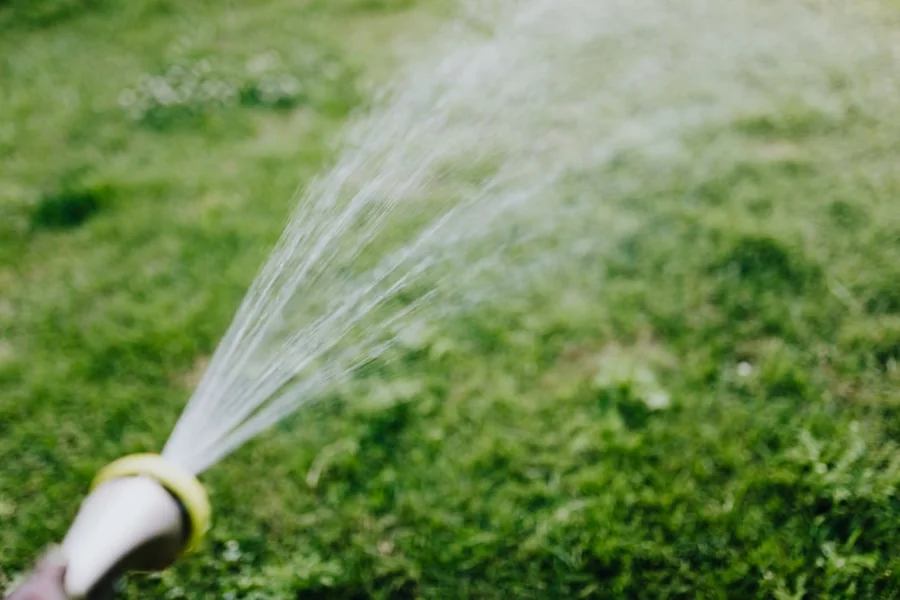
After getting used to mowing, the next lever to pull is the watering technique. Sprinkling daily is productive; however, it conditions roots to remain close to the surface, leaving grass susceptible during the time of temperature spikes. In Virginia Tech, turf experts suggest an intensive and infrequent strategy instead. Watering three or four times a month stimulates roots to penetrate the soil in search of water instead of sitting at the surface. That deeper root system is more successful when drought strikes, and it also uses less water in general. A few guidelines make this easier to apply:
- Water in the morning, preferably before 9 a.m.
- Aim for one to one-and-a-half inches per week, including rainfall.
- Let the top inch of soil dry out before watering again.
3. Feed the Soil, Not Just the Grass
Fertilizer is as effective as the soil on which it is applied. Instead of making a guess about a feeding schedule, a soil test indicates pH equilibrium and nutrient deficiencies. That information then informs the amount of nitrogen, phosphorus, or potassium that the lawn requires. Ignoring this step will have the effect of overfeeding some patches and starving others, which can be seen in the form of spots of uneven color and thinness. Most cool-season grasses usually respond well to active growth in spring and fall. A few adjustments keep feeding on track:
- Test soil after every two or three years to get the right readings.
- Use slow-release nitrogen to achieve more consistent and lasting effects.
- Avoid fertilization during dormancy or hot summer.
4. Aerate and Overseed Every Fall
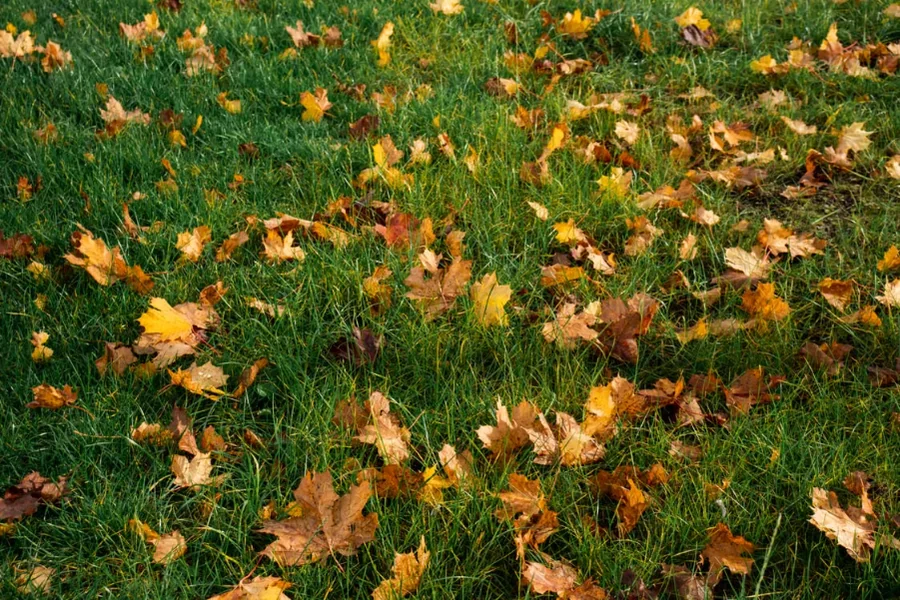
Over time, foot traffic, mowing, and clay-heavy soil compact the soil, choking off the air, water, and nutrients before they can reach the roots. Core aeration is used to draw small soil plugs out of the lawn, decompact the soil, and allow new growth. Fall, in particular, is effective with this step, as the cooler weather and constant moisture allow seed to germinate without competition with summer weeds. Immediately after aeration, overseeding replenishes bare areas and deepens turf that was thinned out in the growing season. The fall reset is made by a couple of habits:
- Aerate when soil is moist, not soggy or bone-dry.
- Overseed immediately after aerating for the best seed-to-soil contact.
5. Stay Ahead of Weeds and Pests
An already well-fertilized lawn is naturally resistant to weeds, but an active strategy still helps to reveal issues at the earliest stage. According to Oklahoma State University Extension, drought stress and compaction of lawns make them more susceptible to insects and weeds. The discovery relates directly to the previous steps, as they all guard against this high risk.
Weeds that come up should be spot treated, rather than waiting till they have grown out. Every month, scouting for grubs or fungal spots prevents the spread of small problems, and varying treatment techniques will prevent the accumulation of resistance.
Conclusion
Five basics of better lawn care include mowing at the correct height, watering the lawn less often but more deeply, feeding the soil according to its requirements, aerating and overseeding in the fall, and preventing the spread of weeds and pests before they become a problem. The omission of one habit during a month, or disregard of a soil test, will be apt to counteract improvements elsewhere. The key to creating a rhythm based on these five steps instead of seeing lawn care as a one-year project is to create a resilient turf that will withstand the seasons. Little, continuous corrections always triumph over intermittent effort.

Passionate about exploring diverse ideas and sharing inspiration, I curate content that sparks curiosity and encourages personal growth. Join me at ElementalNest.com for insights across a wide range of topics.