
Most people have experienced it at some point. Two items may serve the same purpose, yet one feels noticeably different the moment it is picked up, worn, or used. It is not always about luxury or price. Often, the difference comes from craftsmanship, attention to detail, and the sense that someone invested genuine care into the finished product.
In a world increasingly dominated by mass production, handmade and carefully crafted items continue to attract loyal audiences. Whether the object is clothing, furniture, art, or a practical tool, people often describe these purchases differently. They talk about character, quality, and connection rather than simply function. There is something about well-made things that tends to leave a lasting impression.
Craftsmanship Leaves Visible Evidence
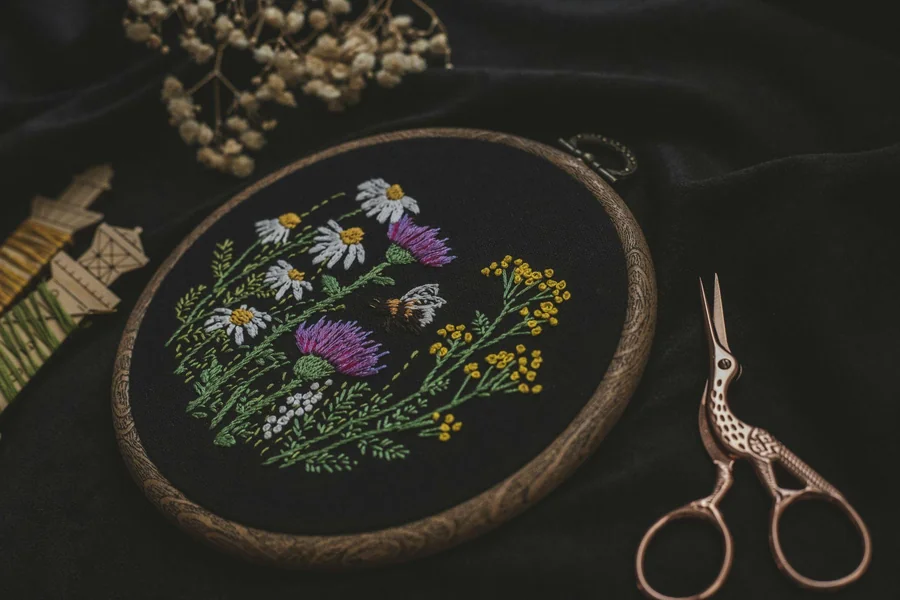
One reason handmade items feel different is that evidence of the maker often remains visible. Small details, thoughtful construction, and careful finishing create a sense that the object was designed with intention rather than speed.
Mass-produced goods are typically optimized for efficiency. Handmade products are often optimized for quality and attention. People may not always identify the exact reason an item feels different, but they frequently notice the result.
That attention to detail tends to create stronger emotional connections because the object feels less interchangeable and more personal.
Quality Often Reveals Itself Over Time
The true value of good craftsmanship rarely appears on the first day. Instead, it becomes noticeable through years of use. Durable materials, careful construction, and thoughtful design choices often allow an item to remain useful long after cheaper alternatives have worn out.
This is one reason some purchases become long-term favorites. The object continues performing its purpose without constantly demanding replacement. Over time, reliability creates appreciation.
People often discover that quality feels expensive only once. Constant replacement can become far more costly than investing in something designed to last.
Personal Style Benefits From Timeless Pieces
Fashion trends change quickly, yet certain pieces remain relevant year after year. Clothing that is thoughtfully designed often survives changing tastes because it is built around quality rather than novelty.
Closets frequently reveal this pattern. The items people continue wearing are often not the trendiest purchases they made. Instead, they are the pieces that consistently fit well, feel comfortable, and maintain their appeal over time. For some wardrobes, selections from https://designerchurchsuits.com/ remain part of that rotation because they continue serving the occasions and environments they were originally chosen for.
The pieces people keep the longest are often the ones that feel dependable rather than fashionable.
Handmade Tools Create a Different Experience
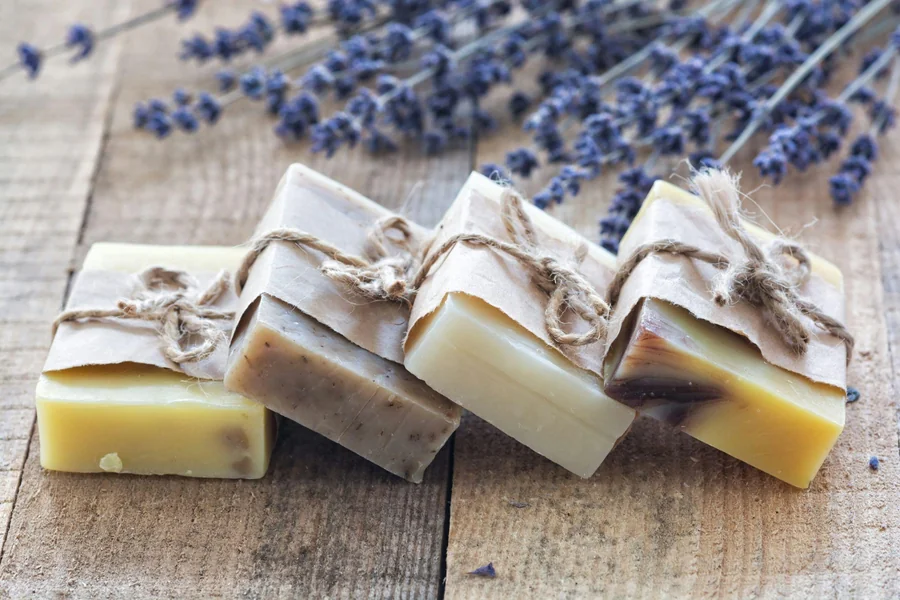
The appeal of craftsmanship extends far beyond clothing. People who work with their hands often develop a deep appreciation for tools that feel carefully designed and built.
Artists, craftspeople, and hobbyists frequently notice differences that casual users might overlook. Balance, materials, construction quality, and usability can all influence how enjoyable a tool feels to use. The experience becomes about more than functionality.
That appreciation helps explain why certain communities remain strongly connected to traditional crafts despite modern alternatives.
The Process Matters as Much as the Product
Handmade goods often carry a story. People know that time, effort, and skill were involved in creating the finished result. That knowledge changes the relationship between the owner and the object.
Traditional crafts continue attracting interest because many people appreciate the process itself. Enthusiasts involved in fiber arts, for example, often value the equipment and techniques as much as the finished product. Collections featuring spinning wheels reflect a craft tradition that continues appealing to people who enjoy creating something with their own hands. The enduring popularity of spinning equipment demonstrates how craftsmanship remains relevant even in highly modern societies.
The process creates a deeper connection because people understand the effort required to produce the result.
Handmade Objects Feel More Personal
Mass production creates consistency, but it can also create sameness. Handmade items often feel more personal because they carry small distinctions that make them unique.
Those differences are not flaws. In many cases, they are part of the appeal. Slight variations remind people that the object was created through skill and effort rather than emerging from an identical production line.
As a result, people often develop stronger attachments to handmade and well-crafted possessions than they do to disposable alternatives.
The Value Goes Beyond Function
At the most basic level, every object exists to serve a purpose. Yet the items people treasure most are often the ones that provide something extra beyond functionality alone.
Good craftsmanship creates durability, reliability, and aesthetic appeal. It also creates a sense of appreciation that grows through use. Whether the item is clothing, a creative tool, or a household object, the experience of owning something thoughtfully made often feels different from owning something designed only to be replaced.
That difference helps explain why handmade and well-made things continue to matter in a world where almost everything can be produced faster and cheaper. They remind people that quality, care, and craftsmanship still have a value that extends far beyond the object itself.

Passionate about exploring diverse ideas and sharing inspiration, I curate content that sparks curiosity and encourages personal growth. Join me at ElementalNest.com for insights across a wide range of topics.