
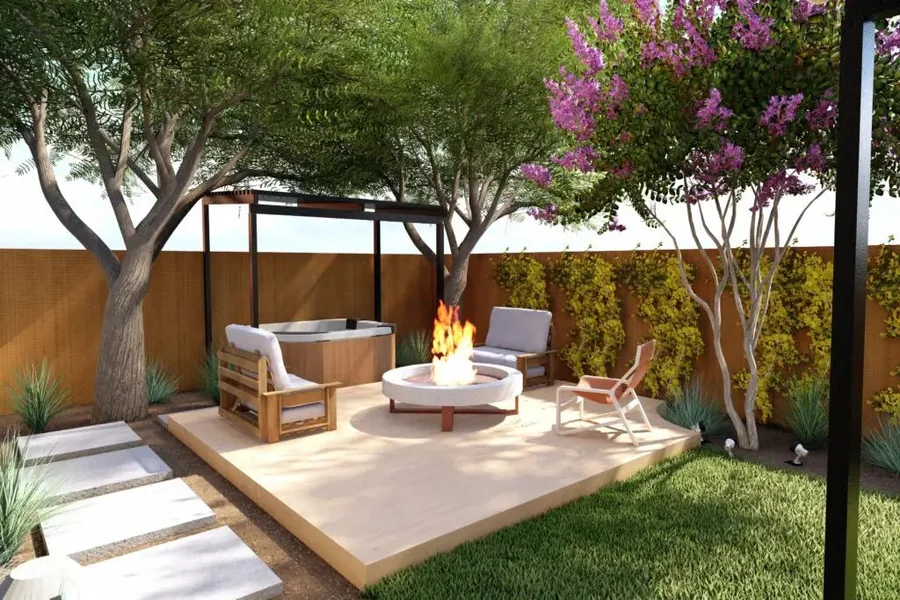
Green building practices for decks are not just about picking a “better” material and calling the project sustainable. Real sustainable practices start with how the deck fits the yard, handles water, and supports daily use. A deck has to feel right in the yard. It should connect to the patio, the garden, the back door, and the areas people already use without making the whole outdoor space feel chopped up.
That is where good planning makes a difference. The shape matters. So do the stairs, lighting, deck boards, drainage, practical storage, and the way the structure meets the ground. When those elements work together, the deck does not feel added on. It feels like it was meant to be there.
Deck Design Starts With the Way People Move Through an Outdoor Space
The best deck design usually starts with function, not style. A new deck design should also think through how people move, where furniture will sit, and how the layout can accommodate everyday routines without crowding the yard.
Maybe the kitchen door leads straight to the grill. Maybe guests settle on the patio first. Maybe a fire pit sits a few steps away, or the homeowner wants to add an outdoor kitchen later. Many homeowners also need the deck to work around shade, privacy, and seating, so those choices shape the deck more than any trendy layout should.
A smooth deck-to-patio transition helps the outdoor living space feel larger and more natural. No awkward drop. No leftover corner that never works. Just an easy connection between the deck, patio, and yard.
For more detailed layouts, a custom deck project can bring the practical parts into one clear plan. Stairs, railings, seating, storage, and the movement from the deck to the yard should all support each other, so the final layout feels functional instead of patched together.
Deck Boards, Composite Decking, and Green Choices
Materials carry more of the design than it may seem at first. They influence comfort, maintenance, durability, aesthetic appeal, and how naturally the deck fits against the home. Composite decking material is often used because it is low-maintenance and performs better in weather than many wood options. Some composite boards combine recycled plastic and wood fibers, which can help reduce landfill waste while creating a surface that resists rot and stays splinter-free.
Wood still has a place in sustainable deck design. FSC-certified Western Red Cedar is naturally rot-resistant, renewable, and locally available in many areas, while certification labels such as the Forest Stewardship Council and Sustainable Forestry Initiative can help buyers compare wood types more carefully. Reclaimed wood can bring texture, age, and history that newer materials rarely provide, and hardwood may be an excellent choice when the project calls for a richer look and stronger wear resistance.
| Material choice | Useful detail | Why it matters |
| Composite decking | Often made with recycled plastic and wood fibers | Low maintenance and rot-resistant |
| Western Red Cedar | Can be FSC-certified and renewable | Natural look with strong durability |
| Bamboo | Rapidly renewing resource | Strong, moisture-resistant option |
| Reclaimed wood | Reuses existing materials | Adds visual interest and reduces waste |
| LED lights | Use less energy and last longer than traditional outdoor lighting | Better access and safer evening use |
| NJ frost depth | Often planned around 36 inches | Helps protect deck footings from frost movement |
Building Decks With Green Choices and Highly Durable Materials
Sustainability is not only about what the deck is made from. It is also about how long the deck lasts and whether the right materials were chosen for the square foot load, layout, and exposure. If it needs major repairs too soon, it creates extra waste, even if the original material choice sounded eco-friendly.
That is where superior durability becomes practical, not just desirable. A green deck should use materials that reduce environmental impact without breaking down in real weather. In wet climates, durable materials can reduce both chemical treatment and early replacement. That matters for sustainability. Low-VOC or water-based stains can help keep harsher chemicals out of watersheds, while natural oil finishes like linseed or tung oil provide renewable protection against weather and wear.
Buying locally can support that approach too. It may reduce transportation emissions, support nearby material suppliers, and keep more renewable resources within a regional building cycle.
Green Decks Need Smart Deck Construction, Not Just Better Materials
The surface gets the attention. The foundation does the quiet work.
A typical deck foundation starts with holes dug deeper than the frost line. Concrete footings are then poured to support the structure. Before anything is built, it is smart to check the frost line depth before building a deck, especially in colder regions where freeze-thaw movement can push against weak or shallow supports.
There are also lower-impact foundation options for outdoor structures. Screw piles can cause less habitat disturbance than traditional concrete. Helical and pin piers are another option in some deck construction projects because they use materials efficiently and reduce site disruption.
One important detail: wood posts, even pressure-treated lumber, should not be buried directly in concrete. Galvanized steel post connectors help keep an air space between the concrete pier and the pressure-treated post. That small separation can make a real difference over time.
Deck Builders Know Many Builders Miss the Hidden Parts
A deck can look clean from above and still have problems underneath. Good deck builders know this.
Ventilation beneath the deck is not a minor detail. In humid environments, it helps keep moisture from sitting under the structure and turning into mold or rot. The connection to the house needs the same level of care because that area can decay and still has to support heavy loads. Joist hangers, railings, stairs, post spacing, soil type, and building codes all shape the final structure.
The deck’s size and weight also change the equation. The number of posts and the footprint of concrete footings or piers depend on the structure, the soil, and how the space will be used.
And yes, small decks need this thinking as well. A ground-level deck may seem simple, but moisture still needs a path out. Drainage and ventilation cannot be ignored.
New Deck Ideas That Feel Built Directly Into the Yard
A new deck should work with the yard instead of fighting it. Not every strong idea needs to look dramatic. Some of the best choices are quiet, practical details that make the space easier to use.
Built-in planter steps can turn plain stairs into part of the landscape instead of leaving them as a separate feature. Contrasting step colors can improve safety and give the design more definition. LED lighting near stairs, railings, and transition areas can enhance the deck’s evening use while keeping the yard calm.
A few ideas that usually work well:
- Use stairs to guide people from the deck to the patio, garden, or concrete walkway.
- Add lighting where people naturally step, turn, or gather.
- Choose deck boards that fit the home’s style without disappearing into it.
- Use rainwater management systems to extend stormwater control toward garden irrigation.
- Leave enough space for furniture, shade, movement, the entire family, and a roof or pergola if the layout may need one later.
Highly durable materials can also reduce regular maintenance, especially in wet or changing weather. That is where green choices become practical, not just decorative.
FAQ
What makes a deck feel natural in a backyard?
A deck feels natural when it follows the yard’s flow. It should connect to the patio, stairs, garden, and main walking paths in a way that feels easy, not forced.
Are green decks more expensive?
They can cost more upfront, depending on the materials and construction needs. But cost is not only about day one. Durable, sustainable materials and lower maintenance can reduce future repairs and replacement work.
Is composite decking a sustainable choice?
Composite decking can be sustainable when it is made with recycled materials and lasts for many years. It resists rot, needs less routine care, and usually does not require frequent staining.
Why does frost depth matter for a deck?
Frost depth matters because freezing and thawing soil can move. Footings need to sit deep enough to limit that movement and help protect the deck’s structural integrity.
Can small decks use green building choices?
Yes. Small decks can still use sustainable boards, LED lighting, low-VOC finishes, proper ventilation, and smart drainage. Those details matter even in compact projects.
What role do stairs play in deck design?
Stairs shape the way people move through the outdoor space. Good stair placement makes the path between the deck, patio, and yard feel safer and more natural.
Do green choices reduce deck maintenance?
Often, yes. Materials that last, water-based sealants, proper ventilation, and smart drainage can cut down on regular maintenance and help the deck age better.

Passionate about exploring diverse ideas and sharing inspiration, I curate content that sparks curiosity and encourages personal growth. Join me at ElementalNest.com for insights across a wide range of topics.