
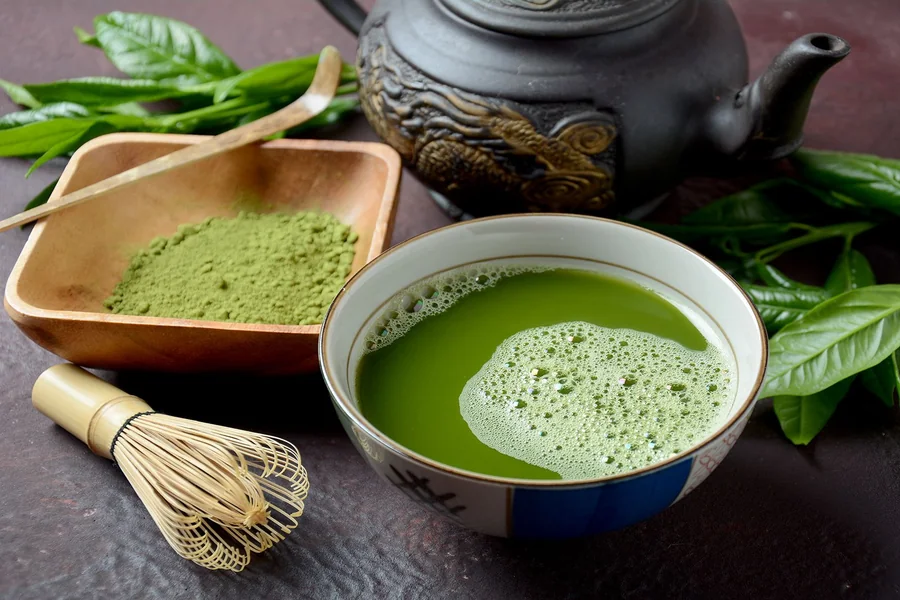
When it comes to matcha, Japanese matcha has a character of its own. Its vibrant green colour, fresh taste, and smooth texture have made it a favourite among tea lovers around the world. But there is much more to it than what you see in the bowl.
The difference starts long before matcha becomes a fine green powder. From the way the tea plants are grown to the way the leaves are harvested, processed, and ground, every step can influence the final cup. Even the region where the tea is grown can give it a slightly different flavour.
If you enjoy matcha, understanding this process can make each cup a little more interesting. So, let’s take a closer look at what gives Japanese matcha its unique character.
Japanese Matcha Is Made from Tencha
Authentic matcha is made from tencha, which comes from the same Camellia sinensis plant used to make other green teas. What makes tencha different is how the leaves are grown and processed.
After harvesting, the leaves are steamed and dried without being rolled. Steaming helps prevent the leaves from oxidizing and helps preserve their fresh green character.
The stems and veins are then removed, leaving the soft leaf material that is later ground into a fine powder. This gives matcha a smoother texture and helps create the clean taste that good matcha is known for.
Because the whole leaf is used to make the powder, matcha offers a more complete tea experience than simply brewing tea leaves in water.
The Tea Plants Are Shaded Before Harvest
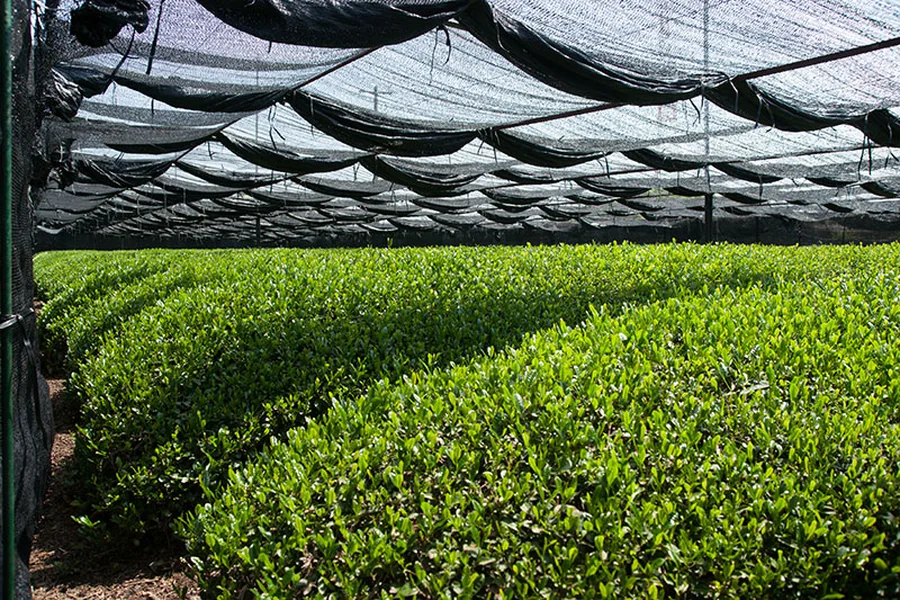
Shading is one of the most important parts of Japanese matcha production.
Before the leaves are harvested, tea plants are covered to reduce the amount of direct sunlight they receive. As a result, the plants produce more chlorophyll and retain more of certain amino acids. This gives Japanese matcha powder its deep green colour and its rich, savoury umami taste.
The amount and timing of shading can also affect the final flavour. This is one reason Japanese matcha can have a richer and more rounded taste than many other powdered green teas.
The Powder Is Extremely Fine
Once the tencha has been prepared, it is ground into a very fine powder. This is an important step because the texture of the powder affects how matcha feels and tastes when you drink it.
Traditionally, tencha is slowly ground using stone mills. The process takes time, but it helps create the soft, silky texture that good matcha is known for. The goal is to produce a powder fine enough to blend smoothly with water.
When whisked, the tiny tea particles stay mixed throughout the water instead of settling quickly at the bottom. This gives matcha its smooth, full-bodied feel and helps create the light foam on top.
Japanese Matcha Has a Distinctive Flavour
Flavour is where matcha really becomes interesting.
A good Japanese matcha powder can have several layers. You might notice fresh, green flavours at first, followed by gentle sweetness and a savoury umami note. Depending on the tea, you may also pick up creamy, nutty, vegetal, or slightly bitter flavours.
However, there is no single flavour that describes all Japanese matcha.
The final taste depends on several factors, including the tea cultivar, growing conditions, shading, harvest timing, processing, and storage. How you prepare the matcha can also change what you notice in the cup.
This is why two Japanese matcha can look similar but taste surprisingly different.
Where the Tea Grows Matters
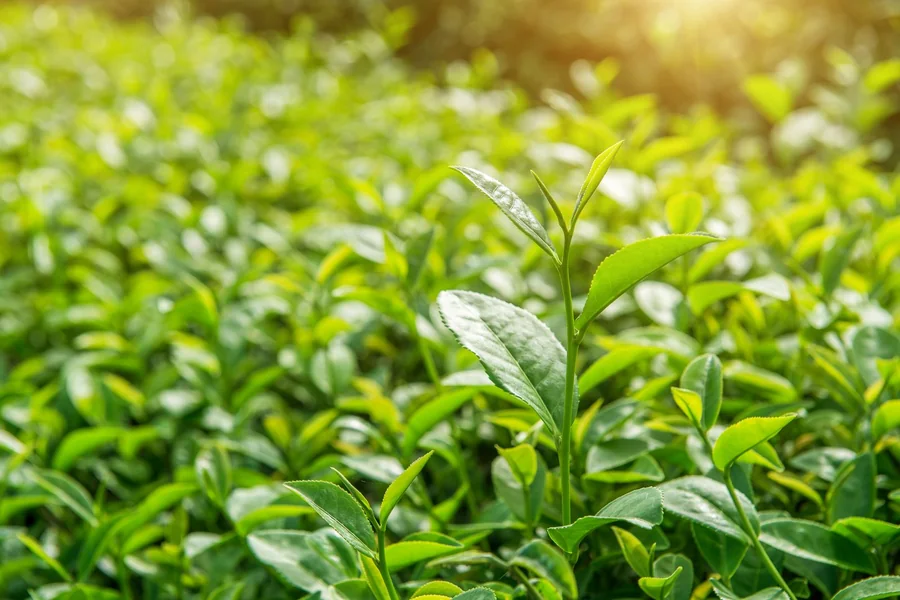
Where the tea is grown also matters.
Japan has several important tea-growing regions, and each has its own growing conditions and tea-making traditions.
Uji in Kyoto is one of the most famous areas for Japanese tea and is closely associated with high-quality matcha. Nishio in Aichi is another major matcha-producing area. Shizuoka and Kagoshima are also important tea-growing regions in Japan.
Matcha from different regions can taste different. One may be soft and sweet, while another may have stronger umami or fresh vegetal notes.
These regional differences are another reason Japanese matcha is worth exploring beyond just one variety or brand.
Soil, Climate, and Terroir Add to Its Character
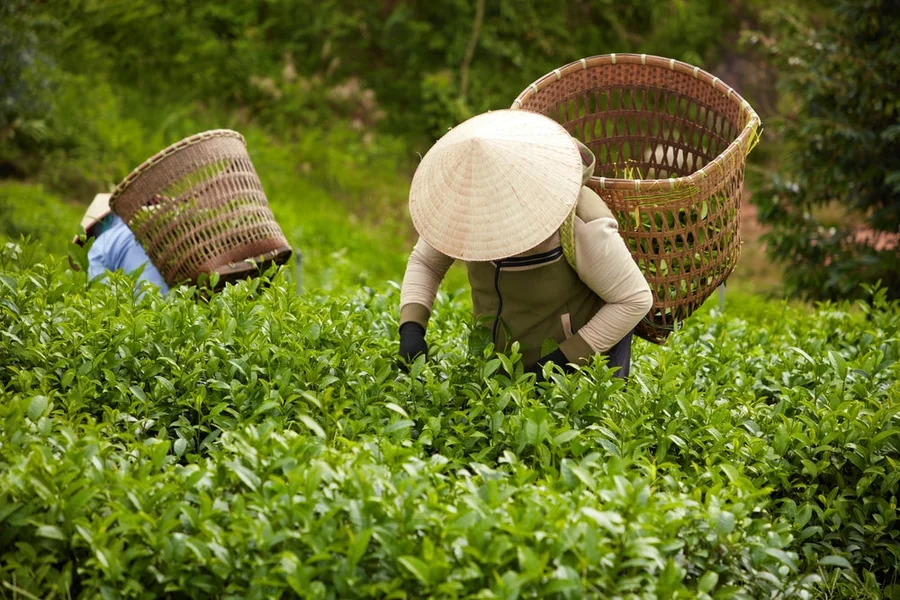
The place where tea is grown can make a real difference to how it tastes.
Japanese tea is grown in several different regions, and each area has its own natural conditions. Things like the soil, weather, rainfall, temperature, and sunlight all affect how the tea plants grow. Even small differences in growing conditions can influence the flavour and aroma of the leaves.
This is known as terroir. In simple terms, it means the land and environment can leave their own mark on a crop.
Farmers also adapt their growing methods to suit their local environment. Together, these factors help give matcha from different parts of Japan its own flavour and personality.
The Green Colour Is More Than Just Appearance
Japanese matcha is often recognised by its vibrant green colour.
This comes partly from the shading process, which encourages the leaves to retain more chlorophyll. Japanese matcha can have a fresh, lively green appearance rather than looking dull or yellowish.
However, colour is not everything.
A very bright green powder does not automatically mean the matcha is excellent. Freshness, taste, aroma, texture, and how the tea was produced all matter too.
Still, when you compare Japanese matcha with lower-quality powdered green tea, the difference in appearance can often be noticeable.
Generations of Tea-Making Knowledge
The difference is also connected to Japan’s long history of tea production.
Japanese tea farmers and producers have developed their methods over many generations. They have learned how to grow the plants, when to shade them, when to harvest the leaves, and how to process them carefully.
These traditions do not mean every Japanese matcha is automatically high quality. Quality can still vary from one product to another.
However, the knowledge and experience behind Japanese tea production are an important part of what makes Japanese matcha unique.
Conclusion
Japanese matcha is special because several things come together. Careful cultivation, pre-harvest shading, tencha production, fine grinding, local growing conditions, and generations of tea-making knowledge all contribute to the final product. But the best way to understand the difference is simply to taste it. Try matcha from different regions and notice how the flavour changes. One might be soft and sweet, another rich in umami, and another fresh and vegetal. You may even find that your favourite matcha is not the one you expected.

Passionate about exploring diverse ideas and sharing inspiration, I curate content that sparks curiosity and encourages personal growth. Join me at ElementalNest.com for insights across a wide range of topics.