Your garage door is one of the largest moving components of your home. It provides convenient access, helps protect your belongings, and plays an important role in everyday security. However, because garage doors operate through a combination of springs, cables, tracks, rollers, and electronic components, problems can develop over time.
Many homeowners don’t think about garage door maintenance until the door stops opening or closing. Fortunately, most systems show warning signs before a complete failure occurs.
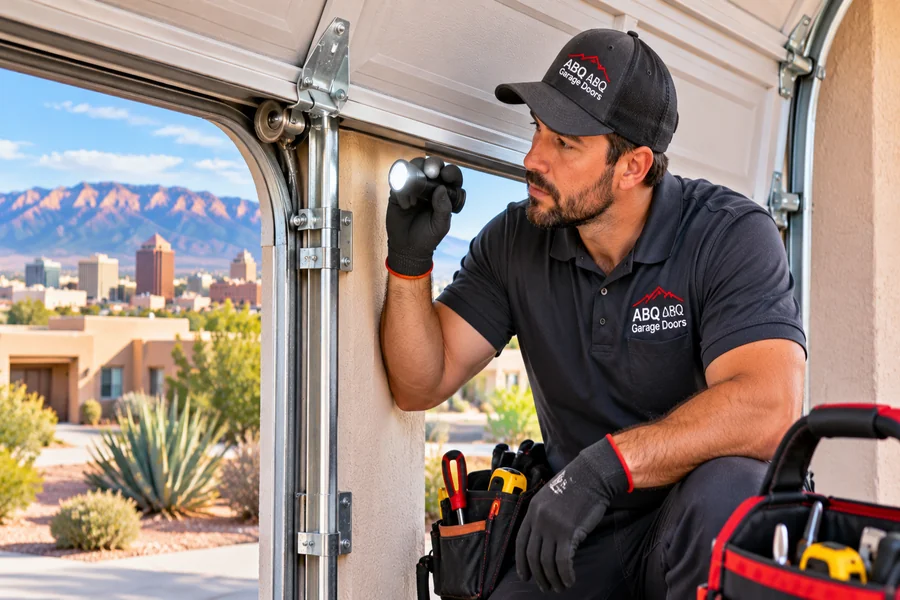
Recognizing these signs early can help prevent inconvenient breakdowns and reduce the risk of additional damage. If your door is becoming difficult to operate, seeking professional garage door repair Albuquerque services can help identify the underlying problem and restore safe operation.
Here are seven common warning signs that your garage door may need professional attention.
1. Your Garage Door Makes Unusual Noises
Garage doors naturally produce some noise during operation, but new or unusually loud sounds may indicate a developing mechanical problem.
Pay attention to noises such as:
- Grinding or scraping
- Loud popping sounds
- Persistent squeaking
- Rattling or vibrating
- Banging during movement
Grinding noises may indicate worn rollers or track problems, while squeaking can sometimes result from inadequate lubrication or component wear.
A sudden loud bang from the garage may indicate a broken spring.
Rather than ignoring unusual sounds, have persistent noises evaluated before the problem becomes more serious.
2. The Garage Door Opens or Closes Unevenly
A properly functioning garage door should move smoothly along its tracks.
If one side rises faster than the other, the door appears crooked, or it becomes stuck during operation, the system may have a mechanical imbalance.
Possible causes include:
- Damaged cables
- Worn rollers
- Misaligned tracks
- Spring problems
- Loose hardware
Uneven movement can place additional strain on other components.
Avoid forcing the door to operate when it appears misaligned. Continuing to use a damaged system may create additional safety risks.
3. Your Garage Door Opens Slowly or Struggles to Move
A garage door that suddenly operates more slowly than usual may be experiencing mechanical resistance or an opener-related problem.
Potential causes include worn rollers, track obstructions, inadequate lubrication, or issues with the opener mechanism.
Some homeowners assume a slow door simply needs a stronger motor. However, the opener may be working against an underlying mechanical problem.
A qualified technician can inspect the system and determine whether the issue involves the opener, door balance, or other components.
4. The Garage Door Reverses Unexpectedly
Modern automatic garage door openers include safety features designed to reduce the risk of injury and property damage.
If your door begins closing and then reverses without an obvious obstruction, the system may require attention.
Common causes include:
- Misaligned photoelectric safety sensors
- Dirt covering sensor lenses
- Obstructions near the doorway
- Incorrect opener settings
- Mechanical resistance
Homeowners can check for visible obstructions and gently clean accessible sensor lenses.
However, persistent reversal problems should be evaluated professionally.
Never bypass or disable garage door safety features to keep the system operating.
5. You Notice Broken or Worn Garage Door Springs
Garage door springs help counterbalance the door’s weight, allowing it to open and close with less effort.
These components operate under substantial tension and gradually wear with repeated use.
Warning signs of spring problems may include:
- A visible gap in a torsion spring
- A sudden loud snapping sound
- A door that won’t lift normally
- Uneven door movement
- An opener that strains without lifting the door
Broken garage door springs should never be treated as a routine DIY repair.
Attempting to adjust, remove, or replace high-tension springs without proper equipment and training can cause serious injury.
If you suspect a broken spring, stop operating the door and contact a qualified garage door technician.
6. Your Garage Door Opener Isn’t Responding Properly
An automatic garage door opener adds convenience, but electrical and mechanical issues can affect its performance.
Common opener problems include:
- The remote control stops responding
- The wall-mounted button works inconsistently
- The motor runs without moving the door
- The door stops partway through operation
- The opener makes unusual sounds
Sometimes the problem is relatively simple, such as depleted remote batteries.
However, persistent problems may involve the opener’s motor, drive mechanism, wiring, or other components.
Before attempting repairs, check the manufacturer’s troubleshooting instructions and avoid working on unfamiliar electrical equipment.
7. Your Garage Door Has Visible Damage
Physical damage can affect both the appearance and operation of a garage door.
Dented panels, bent tracks, loose hinges, damaged rollers, and frayed cables may interfere with normal movement.
Even damage that appears cosmetic can sometimes affect the door’s structural integrity or alignment.
Inspect your garage door periodically for:
- Cracked or bent panels
- Loose mounting hardware
- Damaged weather seals
- Visible cable wear
- Rust or corrosion
- Gaps between door sections
Avoid touching frayed cables or attempting to straighten damaged tracks while the door is under tension.
Professional inspection can determine whether individual components need repair or replacement.
Why Garage Door Problems Shouldn’t Be Ignored
A malfunctioning garage door is more than an inconvenience.
Because garage doors are heavy and rely on tensioned components, mechanical failures can create significant safety hazards.
A damaged door may also compromise home security or prevent vehicles from entering and leaving the garage.
Addressing problems early may help prevent additional wear on connected components.
For example, a door that becomes difficult to lift can place unnecessary strain on the automatic opener.
Repairing the underlying mechanical issue may help avoid further equipment damage.
Simple Garage Door Maintenance Tips for Homeowners
Although major repairs should be handled by trained professionals, homeowners can perform basic visual inspections and maintenance.
Consider these preventive habits:
- Listen for unusual noises during operation.
- Keep the tracks free of visible debris without adjusting them.
- Inspect accessible hardware for obvious damage.
- Follow manufacturer recommendations for lubrication.
- Keep photoelectric safety sensors clean.
- Check weatherstripping for wear.
- Schedule professional service when movement becomes uneven or unreliable.
Homeowners should also test the opener’s safety features according to the manufacturer’s instructions.
If a safety test fails, stop using the automatic opener until the problem has been corrected.
Repair or Replace Your Garage Door?
Sometimes homeowners must decide whether repairing an existing garage door makes sense.
The best choice depends on several factors, including the door’s age, overall condition, repair history, and extent of the damage.
A minor roller or hardware issue may be relatively straightforward to repair.
However, extensive panel damage, recurring mechanical failures, or serious structural problems may make replacement worth considering.
A professional assessment can help homeowners compare the available options and understand the likely costs.
Keep Your Garage Door Safe and Reliable
Garage doors are used frequently, but their mechanical components are easy to overlook until something stops working.
Unusual noises, uneven movement, slow operation, unexpected reversing, broken springs, opener problems, and visible damage are all warning signs that deserve attention.
Regular visual inspections and basic preventive maintenance can help homeowners recognize developing issues.
Most importantly, avoid attempting dangerous repairs involving springs, cables, or other high-tension components.
For Albuquerque homeowners, addressing garage door problems promptly and seeking qualified professional assistance when needed can help maintain safe operation, dependable access, and long-term performance.

Passionate about exploring diverse ideas and sharing inspiration, I curate content that sparks curiosity and encourages personal growth. Join me at ElementalNest.com for insights across a wide range of topics.