
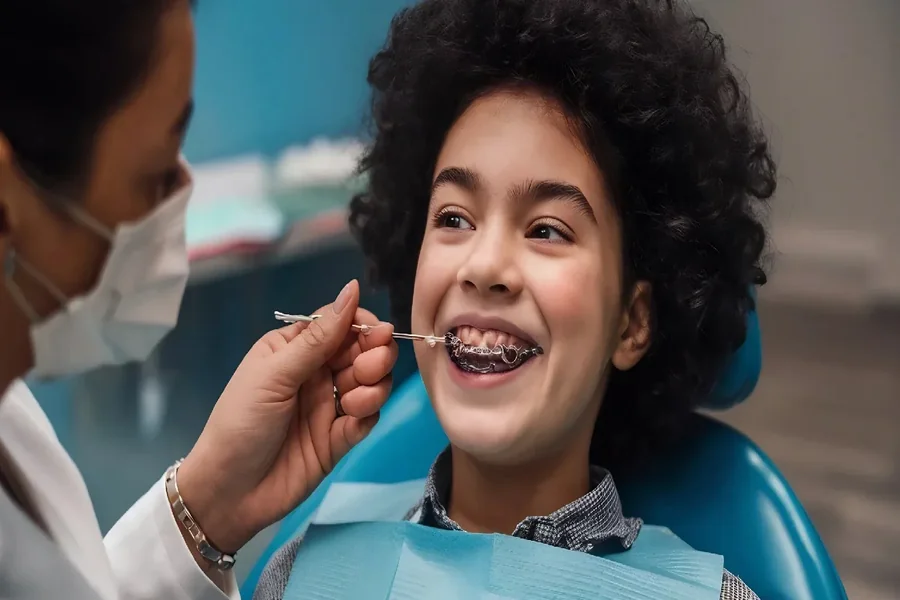
If you’re a parent, timing can feel like the whole game. You hear that kids should see an orthodontist early, then someone else says braces can wait until the teen years. It gets confusing fast. The good news is that early orthodontic care isn’t about rushing into treatment.
It’s about spotting jaw and bite issues while a child is still growing, which can matter a lot for comfort, appearance, and long-term dental health.
What early orthodontic care really means
A lot of people assume early orthodontic care means putting full braces on a seven-year-old. Usually, that’s not what happens. Early evaluation is more about checking how the teeth, jaws, and bite are developing.
Orthodontists often call this Phase 1 treatment when action is needed before all the adult teeth come in. That may involve expanders, partial braces, spacers, or habit-correcting appliances. In some cases, it means doing nothing yet and simply monitoring growth.
Problems that tend to show up early
Not every crooked tooth needs urgent attention. Some issues, though, are easier to manage when a child is still growing. These are the ones orthodontists usually watch closely:
– Crossbites, where upper teeth sit inside lower teeth
– Severe crowding that blocks incoming permanent teeth
– Large overbites or underbites tied to jaw growth
– Protruding front teeth that are more prone to injury
– Early or late loss of baby teeth
– Narrow dental arches
– Persistent thumb-sucking or tongue-thrust habits
In situations like these, early orthodontic treatment may help create room, improve bite function, or guide jaw development before the problem deepens.
That doesn’t make early care a magic fix. It means some problems are more cooperative when the mouth is still under construction.
The age that matters most for a first check
Most orthodontic groups recommend a first orthodontic screening around age seven. That might sound early, especially if your child still has baby teeth and a backpack full of crumbs.
At that age, enough permanent teeth have usually erupted for an orthodontist to spot common issues. They can see whether the jaws are growing in balance, whether adult teeth have room to come in, and whether habits like thumb-sucking are affecting alignment.
A screening at seven doesn’t mean treatment starts at seven. It simply creates a baseline. Some kids won’t need anything for years. Others may benefit from watching a crossbite, crowding pattern, or speech-related issue before it becomes more complicated.
What treatment can and cannot do
Early orthodontic treatment has real strengths, but it also gets oversold sometimes. It can improve how the upper and lower jaws relate to each other, reduce the severity of crowding, and lower the chance of damage to prominent front teeth.
It may also help with chewing problems, speech issues linked to bite position, and certain breathing concerns when arch width is part of the puzzle. For some kids, treatment can reduce the need for future tooth extractions or more invasive correction.
Still, early treatment doesn’t always eliminate the need for braces later. Many children who have Phase 1 treatment need Phase 2 treatment in adolescence once all adult teeth erupt. That second stage is often more refined and focused, not a sign that the first round failed.
Signs at home that deserve a closer look
You don’t need orthodontic training to notice when something seems off. A few everyday signs can hint that your child would benefit from an evaluation sooner rather than later.
Watch for these patterns:
– Trouble biting or chewing evenly
– Mouth breathing most of the time
– Teeth that don’t meet correctly when the mouth closes
– Jaws that shift, click, or look uneven
– Front teeth that stick out noticeably
– Crowding that seems to worsen quickly
– Speech sounds that are hard to form clearly
– Baby teeth lost much earlier or later than expected
None of these automatically means your child needs appliances. They do suggest it’s worth getting expert eyes on the situation.
The practical side: time, cost, and daily life
Parents usually want the real-world version, not the polished brochure version. Early treatment can involve appointments every few weeks or months, depending on the appliance and goal. Some devices are fixed, while others need a child to wear them consistently. Compliance matters, and yes, kids are not always famous for it.
Cost varies widely by region and complexity. Insurance may cover part of treatment, though plans differ on timing and medical necessity. It’s smart to ask whether monitoring is enough for now, what happens if you wait, and whether treatment later would likely be more involved.
Daily life can include sore teeth, speech adjustments, cleaning challenges, and a temporary ban on certain sticky snacks. None of that is dramatic, but it does affect routines.
How to decide without overreacting
The hardest part is often knowing whether a recommendation is urgent, optional, or just worth monitoring. A balanced orthodontist will explain the problem, show you what they see, and tell you whether growth timing affects the outcome.
Ask practical questions:
– What problem are you trying to prevent or correct?
– What happens if we wait a year?
– Will this likely reduce future treatment complexity?
– Is this about function, aesthetics, or both?
– How much child cooperation does this require?
You’re not looking for the fastest route to braces. You’re looking for a decision that fits your child’s actual development. That can mean starting now, checking back later, or doing nothing except regular observation.
Good orthodontic care is rarely about panic. It’s about timing, growth, and making fewer expensive corrections down the road.
A smart early check can make later care easier
Early orthodontic care works best when you treat it as preventive planning, not a race. Some kids genuinely benefit from treatment while they’re still growing. Others simply need monitoring until the teen years.
The value of an early exam lies in clarity. You get a better sense of whether your child’s bite is developing normally, whether there’s a jaw issue in progress, and whether waiting carries any downside. That kind of information helps you act with intention instead of reacting late.
If your child is around seven, or if you’re noticing crowding, bite problems, or uneven jaw growth, an orthodontic screening can be a sensible next step. Sometimes the best move is early action. Sometimes it’s patience with a plan.
Either way, you’ll be choosing based on evidence, not guesswork.

Passionate about exploring diverse ideas and sharing inspiration, I curate content that sparks curiosity and encourages personal growth. Join me at ElementalNest.com for insights across a wide range of topics.