
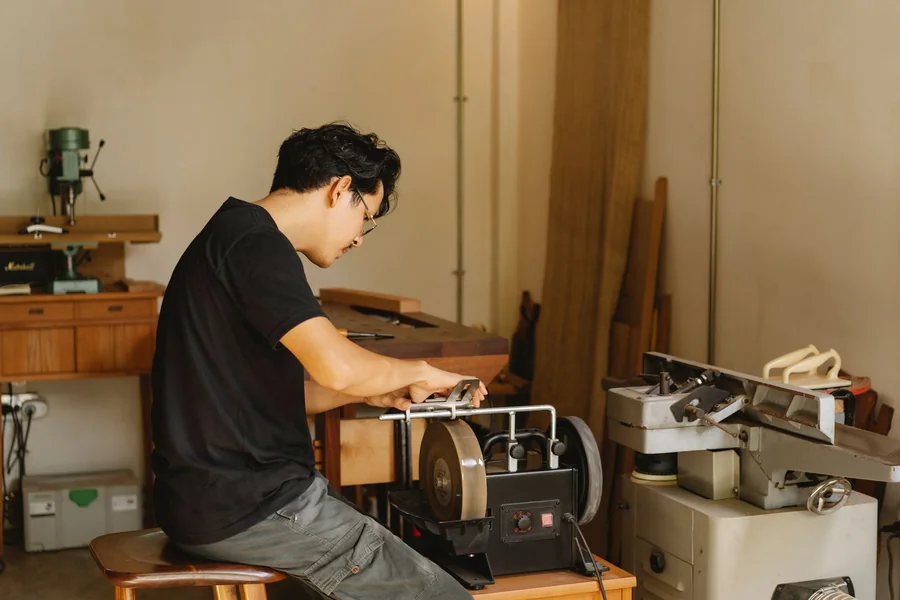
When a craft business depends on tools every day, equipment problems can become expensive very quickly. A machine doesn’t necessarily have to stop working completely to cause trouble. Sometimes the warning signs are much smaller. A cut starts looking rough. A tool begins vibrating more than usual. A motor gets hotter. Something makes a strange noise that wasn’t there last week. These things are easy to ignore when there’s an order waiting to be finished. That’s usually when a small equipment issue turns into a much bigger one. Regular maintenance helps avoid that.
Start with a Quick Check
A full inspection isn’t needed before every project. A few minutes can still make a difference. Check the power cord, switches, guards and visible moving parts. Look for anything loose or damaged. If a tool suddenly sounds different or feels different in use, that’s worth checking rather than working around it.
This is particularly useful in shared workshops. One person may notice a problem but assume someone else will deal with it. A simple habit of reporting issues as soon as they appear can prevent that problem from being passed from one job to the next. A small checklist near the equipment can help. Keep it simple enough that people will actually use it.
Cleaning Is Part of Maintenance
Dust has a habit of getting everywhere. In woodworking shops, fine dust and shavings can collect around motors, vents, switches and moving components. Other craft businesses have their own version of the same problem. Fabric fibres, resin, adhesive residue and small particles can all find their way into equipment.
Leaving that build-up for weeks isn’t a great idea. Clean tools regularly and follow the manufacturer’s instructions for the equipment. Some parts may need a dry cloth or brush, while others may require a particular cleaning method. OSHA also recommends good housekeeping practices in woodworking environments because dust and debris can create both equipment and workplace hazards.
It’s much easier to spend five minutes cleaning a tool than to spend half a day figuring out why it has started overheating.
Pay Attention to Worn Parts
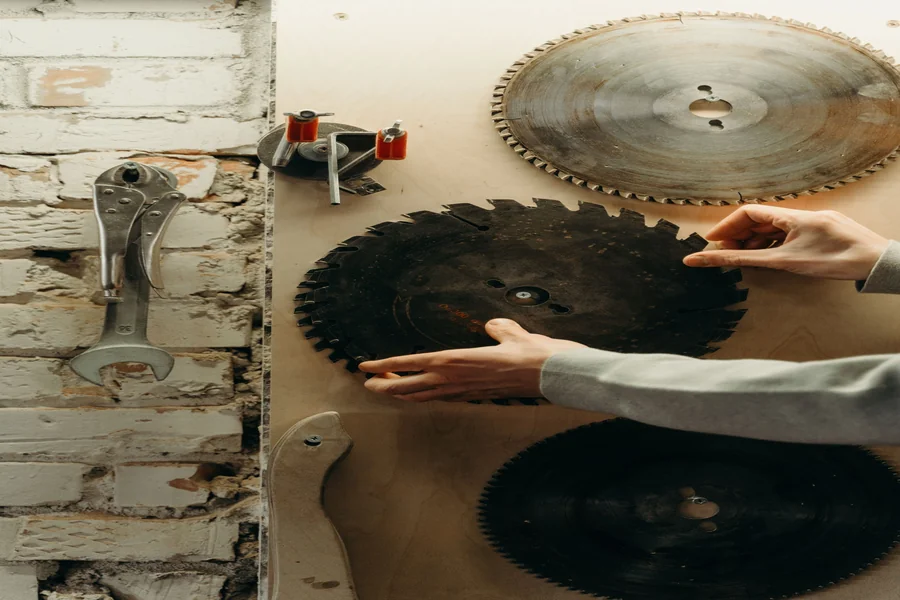
Not every worn part fails dramatically. A belt can gradually lose tension. A bearing can start making a faint noise. A cutting edge can become dull without looking obviously damaged. The equipment may still work, but the results are no longer quite the same. That change matters in a craft business. When cutting wood, for example, a worn accessory can mean rougher edges, slower work and more pressure being applied to the tool. Replacing jigsaw blades when they are no longer producing a clean result is a fairly small maintenance task, but it can make the work noticeably easier.
The same applies to drill bits, sanding discs, saw blades, sewing needles and other consumable parts. They are meant to be replaced. There’s little value in squeezing another few jobs out of something that’s already affecting the quality of the finished product.
Put Maintenance on the Calendar
One of the easiest ways to neglect maintenance is to leave it as a vague task for “later.” Later usually arrives when something breaks. Instead, set basic maintenance intervals. Daily checks can cover cleaning and obvious damage. Weekly checks might include lubrication, tightening fittings and inspecting guards. More detailed servicing can be scheduled monthly or according to the manufacturer’s recommendations.
The schedule will depend on the type of equipment and how heavily it’s used. A tool running all day in a production workshop needs more attention than one used for an occasional weekend project. Maintenance records are useful here too. Nothing elaborate is required. A date, the equipment checked, what was replaced and any problems noticed can be enough. After a few months, those notes can reveal patterns. If the same machine keeps needing repairs, replacing it may make more sense than continuing to patch it up.
Safety Comes Before the Repair
Maintenance should never become an excuse to take shortcuts. Before cleaning, adjusting or repairing powered equipment, make sure it has been switched off and isolated from its energy source. For some machinery, simply pressing the off button isn’t enough. Stored energy or another power source may still create a risk.
OSHA’s machine-maintenance guidance recommends proper lockout/tagout procedures when hazardous energy needs to be controlled during servicing.
Shared workshops need a clear process as well. If a machine is damaged, people should know who needs to be told and whether the equipment should be taken out of use. A piece of masking tape saying “don’t use” isn’t a substitute for a proper procedure, but clearly marking damaged equipment is certainly better than letting the next person discover the problem while operating it.
Storage Makes a Difference Too
Maintenance doesn’t stop when the tool is switched off. Tools left in damp, dusty or crowded spaces can pick up rust, suffer accidental damage or simply become harder to use properly. Smaller accessories are particularly easy to lose or damage when they are thrown into a drawer together.
Keep frequently used parts organised and labelled. Store equipment somewhere reasonably dry and protected. It sounds basic, but good storage prevents a surprising number of avoidable problems. It also saves time. Nobody wants to stop halfway through an order because the right bit, blade or accessory has disappeared somewhere under a pile of other workshop supplies.
Keep the System Simple
For a small craft business, maintenance doesn’t need to become another complicated administrative exercise. A basic schedule, a short inspection routine and a simple record of repairs can go a long way. The important part is consistency.
Good maintenance protects the equipment, but that’s only part of the benefit. It also protects production time, finished quality and the ability to deliver work when promised.
When tools are looked after properly, problems tend to stay smaller. And in a workshop where deadlines, customer expectations and margins all matter, that’s a pretty practical reason to spend a little more time looking after the equipment.

Passionate about exploring diverse ideas and sharing inspiration, I curate content that sparks curiosity and encourages personal growth. Join me at ElementalNest.com for insights across a wide range of topics.