
Cosmetic treatments are changing. Slowly in some clinics. Fast in others. Patients walk in with screenshots, trend ideas, celebrity references, filtered selfies. Then the conversation starts shifting once they sit down with a practitioner who actually looks at the full picture.
Face movement. Skin texture. Age. Muscle activity. Lifestyle. Stress. Sleep. Even how someone smiles during a normal conversation.
That is where modern treatment planning sits now. Less about chasing one perfect frozen result. More about balance. Maintenance. Timing. Long-term appearance goals that still look natural in daily life.
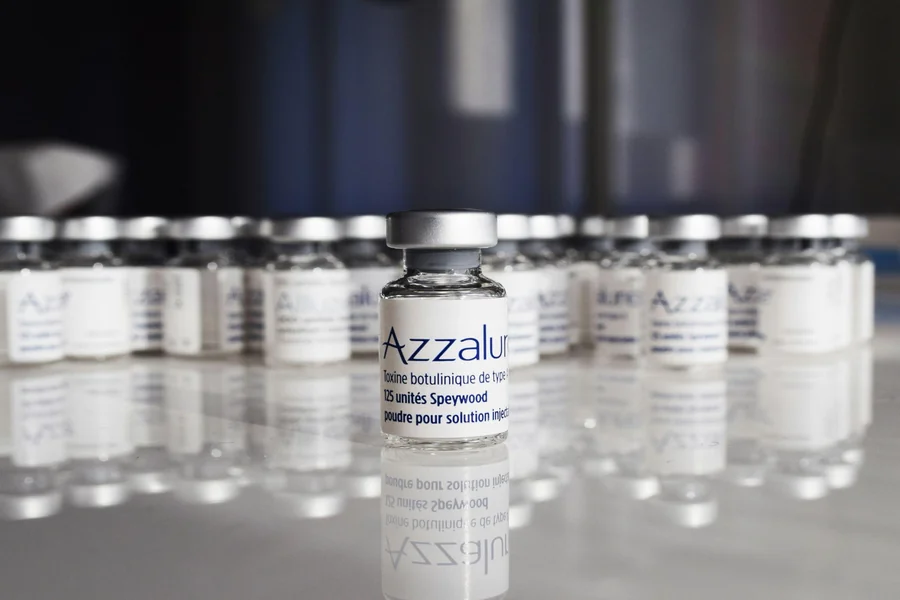
Many practitioners now include products like Azzalure treatments as part of broader cosmetic planning rather than isolated appointments. Not because patients want dramatic changes every few months. Usually the opposite. They want softer adjustments that work with the rest of their aesthetic approach.
That shift matters more than people realize.
Cosmetic Planning Looks Different Than It Did Years Ago
There was a time when cosmetic procedures were often reactive.
A wrinkle appeared. Someone booked an appointment.
Forehead lines became deeper. Treatment again.
Now clinics increasingly build treatment timelines instead of one-off visits. Patients ask about what their face may look like in two years, five years, sometimes ten. Practitioners evaluate how treatments interact together instead of approaching every concern separately.
Small decisions start connecting.
One treatment may affect muscle movement. Another supports hydration. Another focuses on skin quality. Together they create a more stable appearance over time.
That is why consultation quality has become such a major factor in aesthetic medicine.
The best cosmetic planning often happens before any product is opened.
Patients Are More Focused on Natural Movement
Overdone cosmetic work changed patient expectations.
People saw overly stiff foreheads. Smiles that looked restricted. Expressions disappearing on camera. That created hesitation even among patients who were interested in aesthetic procedures.
Now the language inside consultations sounds different.
Patients say things like:
- “I still want to look expressive.”
- “I don’t want people to notice immediately.”
- “I just want to look more rested.”
- “I want subtle improvements.”
That changes treatment planning entirely.
Modern practitioners usually avoid treating the face as isolated zones. They study facial dynamics instead. A strong forehead correction combined with untreated surrounding muscles can sometimes create imbalance. Too much correction in one area may pull attention somewhere else.
Experienced injectors think carefully about proportion, timing, dosage, and patient expectations.
That slower approach often produces stronger long-term satisfaction.
Why Timing Matters More Than Intensity
One interesting change in cosmetic medicine is how much attention is now placed on timing.
Patients do not always wait for deep visible lines anymore. Some prefer maintenance approaches earlier. Others prefer spaced-out visits with conservative adjustments.
Neither approach automatically works better.
Everything depends on:
- facial anatomy
- muscle strength
- age
- skincare habits
- sun exposure
- stress levels
- smoking history
- previous treatments
Modern treatment planning is rarely one-size-fits-all.
A practitioner may decide that a patient benefits more from lighter adjustments over multiple sessions rather than one stronger session. Another patient may need an entirely different strategy because facial movement patterns differ.
That flexibility is part of why treatment planning conversations became more detailed over the years.
Cosmetic Treatments Are Becoming Part of Broader Self-Care Habits
Interesting thing happens when patients stay consistent with cosmetic consultations.
The conversation usually expands.
Skincare routines improve. Sun protection becomes more regular. Sleep and hydration start getting discussed more often. Patients pay closer attention to facial tension, stress habits, posture, and skin quality.
Cosmetic clinics increasingly position themselves closer to long-term maintenance environments rather than occasional beauty appointments.
That does not mean every patient becomes heavily involved in treatments.
Many actually move toward smaller interventions.
They stop chasing dramatic changes because they realize consistency often creates a more stable appearance than aggressive correction cycles.
This is especially true among professionals who spend large portions of their day on video calls. Camera exposure changed how many people evaluate their appearance. Tiny movement differences become noticeable during online meetings, recordings, webinars, and interviews.
Subtlety matters more now.
The Consultation Process Has Become More Analytical
Patients sometimes underestimate how much analysis happens during a quality consultation.
Practitioners evaluate:
- resting facial appearance
- dynamic movement patterns
- asymmetry
- skin condition
- muscle strength
- emotional expression
- patient communication style
- treatment history
A patient may arrive asking for one specific correction. The practitioner may identify another factor influencing the concern more heavily.
For example, forehead lines may not exist in isolation. Brow positioning, eye movement, skin texture, and facial habits may all contribute.
That is why experienced clinics rarely rush consultations.
Good cosmetic planning needs context.
Sometimes the best treatment decision is actually waiting.
Other times the best decision is using less product than expected.
Patients usually appreciate that honesty once they see results developing naturally.
Social Media Changed Patient Awareness
Social media complicated cosmetic medicine. But it also educated patients.
People now arrive with stronger awareness about products, treatment categories, injector styles, recovery expectations, and aesthetic trends.
At the same time, unrealistic expectations became more common because filtered content distorts reality.
Modern practitioners often spend part of consultations resetting expectations.
Perfect skin texture does not exist.
Faces move differently in real life than in edited videos.
Lighting changes appearance dramatically.
What looks good in a still image may not look balanced during normal conversation.
This is where thoughtful treatment planning becomes valuable. The goal shifts toward helping patients maintain facial harmony across real-life situations instead of trying to recreate edited online appearances.
That distinction matters.
Combination Approaches Are More Common Now
Few clinics rely on a single treatment category anymore.
Modern aesthetic planning often combines several smaller approaches across different timelines.
A patient may focus on:
- movement-related concerns
- skin hydration
- collagen support
- texture refinement
- volume balance
- preventive maintenance
Not all at once necessarily.
But through gradual planning.
This layered approach usually creates softer transitions and more adaptable results. It also allows practitioners to reassess outcomes gradually instead of committing to aggressive changes immediately.
Patients often feel more comfortable with that process because it reduces pressure.
The appointment becomes collaborative rather than transactional.
Trust Plays a Bigger Role Than Marketing
Cosmetic medicine became highly competitive. Every clinic claims natural results. Every injector claims expertise.
Patients notice the difference quickly once they enter the consultation room.
Trust usually develops through:
- realistic recommendations
- conservative planning
- transparent communication
- clear aftercare guidance
- consistent follow-up
- refusal to over-treat
That last point matters more than people think.
Some practitioners build stronger reputations precisely because they say no when necessary.
Patients remember restraint.
For clinics that also review sourcing options carefully, choosing a trusted Azzalure supplier online can support more consistent planning, especially when product access and reliability are part of the wider treatment workflow.
Especially in cosmetic medicine where trends change constantly.
One year patients request dramatic contouring. Another year softer facial movement returns to popularity. Clinics that chase every trend aggressively sometimes struggle to maintain consistent treatment philosophy.
Long-term patient relationships usually work better when practitioners focus on facial balance instead of trend replication.
Men Are Becoming More Involved in Cosmetic Planning
Another noticeable shift: more male patients entering cosmetic clinics.
Not always for dramatic aesthetic changes.
Sometimes for professional appearance concerns. Fatigue-related appearance. Stress lines. Camera confidence during presentations or remote work.
Male patients often approach consultations differently. Many prefer gradual adjustments that remain difficult for others to identify.
That increases demand for subtle treatment planning.
Practitioners now adapt consultations based on different communication styles, aesthetic goals, and facial structure considerations.
The broader cosmetic field continues moving toward personalization rather than standardized treatment formulas.
Cosmetic Medicine Is Becoming More Long-Term Oriented
The biggest change may simply be mindset.
Modern cosmetic planning increasingly resembles maintenance strategy rather than occasional correction.
Patients think about:
- sustainability
- consistency
- realistic aging
- facial harmony
- prevention
- balanced appearance over time
That approach tends to reduce impulsive treatment decisions.
Patients become more selective. More informed. More interested in practitioner skill and planning philosophy instead of chasing the fastest visible transformation.
Products matter, of course. Technique matters too.
But long-term cosmetic outcomes often depend most on decision-making.
When to treat.
When to wait.
When to stay conservative.
And when a patient already looks good enough without adding more.
That final part may actually define modern aesthetic medicine better than anything else.
Not constant change.
Careful control.
Measured planning.
Results that still allow someone to look like themselves when they laugh, speak, react, and live normally outside the clinic.
That is where modern cosmetic treatment planning keeps moving.

Passionate about exploring diverse ideas and sharing inspiration, I curate content that sparks curiosity and encourages personal growth. Join me at ElementalNest.com for insights across a wide range of topics.