
Creating a video game previously required a lot of effort, a large team of developers, and a long time. The current development of technologies makes the process of designing, prototyping, production, and release of a video game more manageable. Now, advanced computer software and hardware, graphics displays, and artificial intelligence can help game designers produce a compelling game world.
This technological progress is particularly valuable for business leaders and executive management in the video game industry. The developments mentioned above can offer substantial improvements in cost reduction, production efficiency, and accessibility for a broader audience of consumers.
1. Artificial Intelligence Speeds Up Development
Artificial Intelligence (AI) is deeply involved in the creation of video games. Coding, graphics, and bug finding are some aspects of game development that can be aided by AI tools. For example, GitHub Copilot can help coders with programming, and Adobe Firefly can help artists with idea creation.
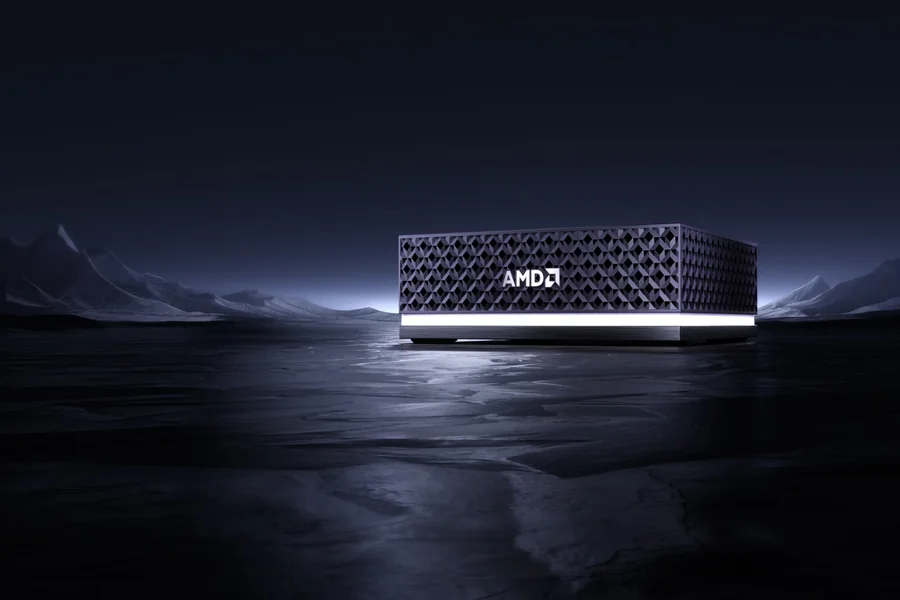
By using AI, one can also utilize procedural generation, a process where one uses a computer program to randomly generate the content that would have otherwise been created manually. Games such as No Man’s Sky employ the aforementioned technique in order to create countless planets and diverse terrains, allowing for more exploration. For studios combining AI-powered workflows with capable hardware, a Game Development AMD Ryzen workstation can be worth considering for demanding development tasks.
2. Hardware Planning Prevents Performance Bottlenecks
Modern game development is a resource-intensive process that puts a heavy load on the computer hardware involved. The software tools used for 3D modeling, compilation, simulation, and other tasks require powerful processors, sufficient amounts of memory, high-end graphics cards, and other components.
The proper selection of components that take into account the specific needs of the game development software enables the creation of reliable hardware configurations that provide stable performance.
3. Advanced Graphics Create More Realistic Worlds
Players have come to expect modern games to deliver spectacular imagery that puts them in the middle of otherwise inaccessible worlds. Ray tracing, path tracing, and various other innovations seek to simulate the realistic behavior of light rays in order to enhance the quality of computer graphics.
Thus, studios must take into account that they can employ the available effects to improve their products but not ignore the performance’s importance. Using DLSS and frame generation to maximize the quality of a game on any given platform is essential to fulfill the promise of a truly spectacular experience.
4. Smarter NPCs Improve Player Interaction
Non‐player characters (NPCs) are a critical element of any game world. However, the traditional approach to developing NPCs’ behavioral patterns is poorly suited to address the dynamic nature of modern video games. The advent of artificial intelligence (AI) in the gaming industry has enabled level designers to equip their NPCs with the ability to make decisions based on the input data they receive in real time.
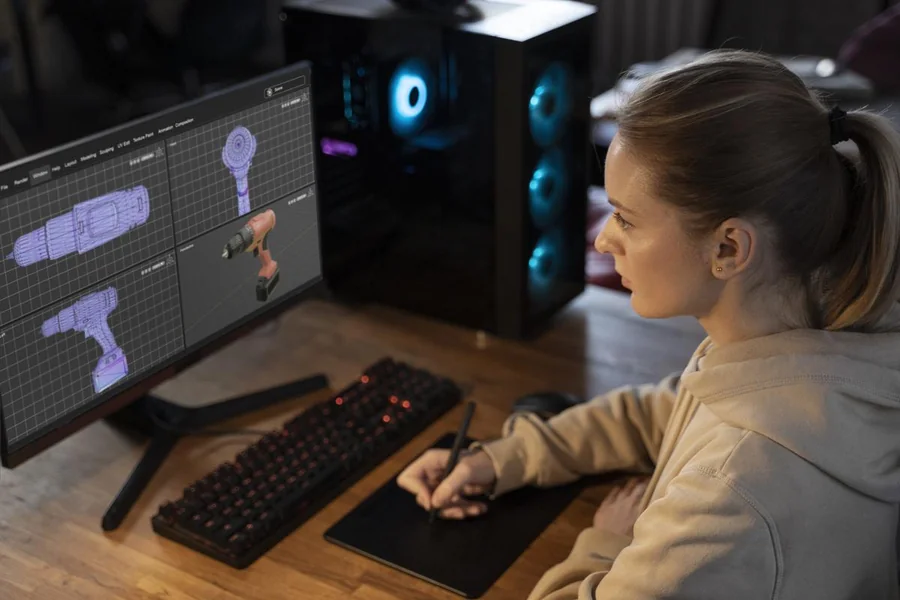
For studios working with advanced AI systems, reliable development hardware is also important. A game development art & design workstation can be considered when selecting equipment for demanding creative workflows, including visual design, asset creation, and game environment development.
5. Faster Storage Keeps Work Moving
Game projects have a lot of different complex assets: textures, 3D models, audio, animations, and environments. The list can go on for a long time. Having to load these files from slow storage devices can seriously hamper the workflow and cause frustrating delays during regular editing sessions in the middle of the project.
Therefore, it is crucial to ensure that the storage solution has enough capacity to hold the expanding assets of the project, as well as provide backup solutions in case of emergency. Moreover, pairing it with the right workstation will allow the team to reach new levels of productivity and reduce the overall load time significantly.
6. Modern Game Engines Open Doors for Smaller Studios
Game engines such as Unity and Unreal Engine are software that allows users to put together individual elements needed to develop a game. These engines take over hundreds of lines of code, letting one focus on the more creative elements of one’s work. Moreover, they allow you to expand the platform of your product. If an engine is chosen correctly, you will be able to adapt the product for Windows, consoles, and cell phones at once.
However, the presence of all the tools does not guarantee success. A small group of young people who truly believe in the idea will have to competently structure and document the product, analyze the market, study competitors, develop a detailed plan, and do many other things. Although artificial intelligence and modern technologies make game development much easier, one still needs to know what to do.
Building Better Games Through Smarter Choices
Before investing in development, companies should analyze the projected goals, engineers’ skills, workstation demands, and maintenance expenses. High-performance PCs, affordable storage solutions, smart automation, and appropriate game engines can improve the production process.
However, as the industry grows, it becomes critical to optimize the workstation according to the studio’s needs. In this case, Cloud Ninjas‘ expertise may offer relevant information about workstations and assist the company in finding the most inspiring solutions. Therefore, engineers should recognize that the perfect workstation entails quality, a workforce, well-organized plans, and an attractive idea to impress players.

Passionate about exploring diverse ideas and sharing inspiration, I curate content that sparks curiosity and encourages personal growth. Join me at ElementalNest.com for insights across a wide range of topics.