
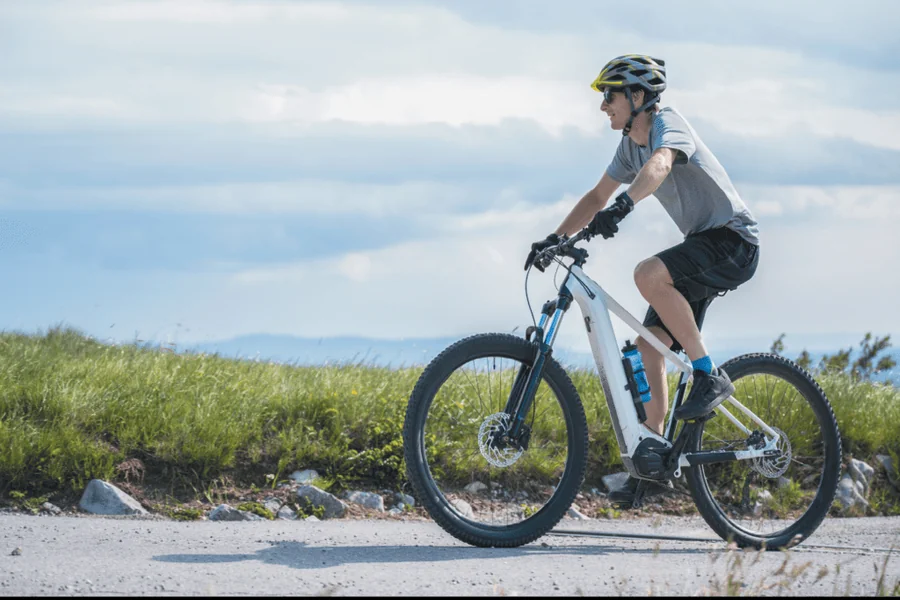
The best electric bike is not always the one with the biggest battery, strongest motor, or highest price. A short city commute calls for a very different bike than steep hills, trails, or longer weekend rides.
Buyers trying to keep costs down can compare some of the best ebikes under $1,000 to see what motor, battery, brake, and comfort features are available at the lower end of the market. From there, it makes more sense to spend extra only on features that solve a real riding need.
Start With How the Bike Will Be Used
Before comparing wattage and range, think about the trips the bike will make most.
A commuter may care more about lights, racks, comfort, and easy handling. Hill riders need more torque and better gearing. Trail riders should pay closer attention to tires, brakes, and suspension.
One simple question helps narrow the search fast: what is the hardest part of the ride the bike needs to handle?
That might be a steep climb, carrying groceries, a long round trip, or fitting the bike into an apartment.
Set a Budget Before Comparing Specs
E-bike prices cover a very wide range. REI places entry-level electric bikes at around $1,000, while a good-quality serviceable model can fall closer to $1,500 to $2,500. Premium bikes can reach $6,000 or more.
Those price differences are not just paying for a larger motor.
More money can go toward better brakes, drivetrains, battery cells, frames, suspension, electrical systems, warranty support, and parts availability.
A rough way to look at the market is:
- Under $1,000: Best suited to lighter commuting, shorter trips, and buyers who can accept simpler components.
- $1,000 to $2,000: More room for larger batteries, hydraulic brakes, better drivetrains, and stronger motors.
- $2,000 and above: This is where more refined commuter bikes, cargo bikes, mid-drive systems, and serious eMTBs become common.
There are exceptions in every price range, so price should be treated as a starting filter rather than a quality score.
One detail worth checking on cheaper bikes is the electrical system. The U.S. Consumer Product Safety Commission has urged manufacturers to follow applicable UL standards, including UL 2849 for e-bike electrical systems, because compliance significantly reduces the risk associated with micromobility fires.
Match Motor Power to the Terrain
More power helps with hills, acceleration, and hauling, but paying for extra output makes little sense if the bike will spend most of its time on flat streets.
Torque is especially useful for climbing and low-speed pulling. Hub motors are common on budget and mid-range bikes, while mid-drive motors can use the bike’s gears, which makes them well suited to steep terrain.
For a short flat commute, a simpler motor can be enough. Hills, cargo, and heavier riders create a stronger case for more torque.
Choose Battery Capacity Based on Real Distance
Battery size is commonly listed in watt-hours, or Wh. A higher number means more stored energy. That sounds straightforward until real riding enters the picture.
REI notes that battery capacities can range from roughly 250 Wh to more than 650 Wh, depending on the bike. A larger battery gives more riding time between charges, but motor power, rider weight, terrain, wind, and assist level all change how far that energy will take the bike.
This makes advertised range better for comparison than exact trip planning.
Someone riding eight miles to work and charging at home every night may not need a giant battery. A rider covering 30 miles with hills and cargo should leave considerably more reserve.
It is also worth checking if the battery can be removed. Apartment dwellers may find a removable battery much easier to charge than carrying a 50 or 60-pound bike upstairs.
Consider Who Will Be Riding the Bike
Height, weight, age, confidence, and experience can change the buying decision just as much as terrain. A shorter adult may prefer a step-through frame and lower stand-over height. Cargo riders need to check total payload limits. Families shopping for children face an even different set of priorities.
A young rider does not simply need a smaller adult bike. Speed, bike weight, brake reach, seat height, rider skill, and riding area all matter more.
Electric dirt bikes make this especially clear because performance can vary sharply between models. Razor, for example, lists its MX125 for riders age 7 and older, with a top speed of up to 13 km/h and a maximum rider weight of 54 kg.
Parents comparing electric dirt bikes for kids should look beyond age labels and consider the child’s size, riding experience, bike weight, braking controls, speed, and where the bike will be used.
Buying manageable power makes more sense than choosing extra speed simply so a child can grow into it.
Do Not Ignore Brakes, Tires, and Suspension
Motor and battery specs attract attention, but these parts can have a bigger effect on everyday control.
Hydraulic disc brakes provide strong, progressive braking with relatively little hand effort. Tires should match the surface too. Smooth tires suit pavement, while wider treaded tires provide more grip on gravel and dirt.
Suspension should match the riding style. A commuter on decent roads may need little or none. Rough roads can make front suspension useful, while full suspension is better suited to rougher trails.
Think About Weight, Storage, and Maintenance
An e-bike that feels great while moving can become a headache when it has to be carried up two flights of stairs.
Motor size, battery capacity, fat tires, suspension, cargo racks, and heavy frames can push bike weight up quickly.
Before buying, think about where the bike will live.
Can it be rolled directly into a garage? Does it need to fit on a vehicle rack? Will it be carried into an apartment? Is there somewhere safe to charge the battery?
Replacement parts deserve some thought as well. Brake pads, tires, chains, cassettes, and other normal bike parts wear out. Batteries also lose capacity over time and can be expensive to replace.
A cheaper bike with hard-to-find electronics or proprietary parts can become less of a bargain if something fails two years later. REI points out that established electrical systems can make replacement parts and service tools easier to find.
Match the Bike to the Rider
There is no single combination of specs that works for everyone.
- A budget commuter may be better served by a simple hub motor, moderate battery, disc brakes, lights, and a rack.
- A weekend leisure rider can prioritize comfort, an upright riding position, and enough battery for recreational trips.
- A hill-heavy commuter should pay closer attention to torque, gearing, brakes, and battery reserve.
- A trail rider benefits more from quality tires, suspension, brakes, and frame geometry than from chasing the highest possible top speed.
- For younger riders, manageable size, weight, speed, and controls should come before maximum motor output.
Once the use case is clear, many unnecessary features fall away.
Final Words
Buying an e-bike gets much easier once the decision starts with the ride rather than the price tag. Set a realistic budget, identify the hardest part of the bike’s regular job, and spend money on the parts that help with that problem.
A bigger battery makes sense for longer rides. More torque helps on hills. Better brakes matter as weight and speed rise. For some riders, a lighter and simpler bike can be the better purchase.
The goal is not to buy the most e-bike possible. It is to buy enough bike for the miles that will really be ridden.

Passionate about exploring diverse ideas and sharing inspiration, I curate content that sparks curiosity and encourages personal growth. Join me at ElementalNest.com for insights across a wide range of topics.