
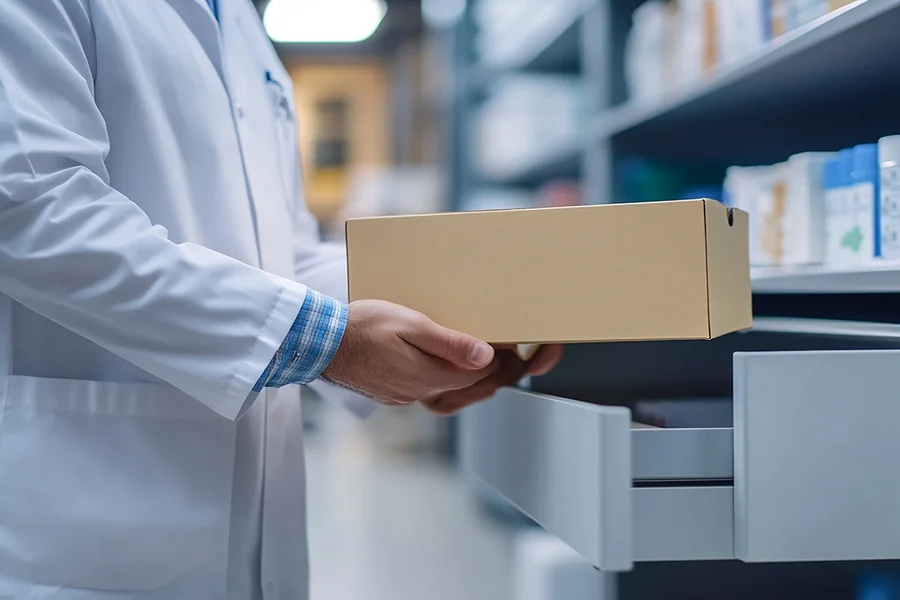
Clinics comparing where to source injectables often focus almost entirely on price, which is understandable but incomplete. A supplier offering the lowest cost isn’t automatically the wrong choice, but clinics that buy dermal fillers online without verifying a few basic things first are taking on more risk than the price difference usually justifies.
Start With Distributor Authorization
The most basic and most frequently skipped check is confirming a supplier is actually authorized to distribute the specific brands they’re selling. This information isn’t always advertised prominently, and a legitimate distributor should be able to confirm authorization status without hesitation when asked directly.
Ask for Lot Documentation, Not Just an Invoice
An invoice confirms a purchase happened. It doesn’t confirm the product’s origin or authenticity. Requesting lot number documentation that traces back to the original manufacturer is a simple step that separates suppliers confident in their sourcing from those who’d rather not be asked.
A Practical Verification Checklist
- Can the distributor confirm authorization for each brand they carry?
- Will they provide manufacturer lot documentation on request?
- What is their cold-chain handling protocol from warehouse to delivery?
- Is the product cleared for use in your specific jurisdiction, not just the country of manufacture?
- What is their return or replacement policy for compromised packaging?
Why Cold Chain Handling Gets Overlooked
Hyaluronic acid fillers are temperature-sensitive, and repeated heat exposure during shipping can affect product consistency without leaving any visible sign on the outer packaging. A supplier’s ability to clearly explain their cold-chain process, not just claim to have one, is a meaningful signal of how seriously they take product integrity.
Regulatory Status Isn’t Universal
A product cleared for use in one country isn’t automatically cleared everywhere. Distributors sourcing internationally sometimes carry inventory that’s approved where it was manufactured but not yet cleared for a clinic’s own jurisdiction. Packaging and branding often look identical across markets even when regulatory status differs, which makes this an easy detail to miss when comparing suppliers on price alone.
Why a Trial Order Is Worth Considering
Clinics switching suppliers often benefit from placing a smaller trial order first, rather than shifting a large share of purchasing over immediately. A trial order gives a clinic the chance to independently verify documentation, packaging integrity, and cold-chain handling before committing further.
What This Ultimately Comes Down To
None of this is about assuming every low-cost supplier is problematic. It’s about clinics doing the same due diligence they’d expect from any other medical supply vendor, rather than treating filler sourcing as a special case where price alone is a sufficient basis for a decision.
Frequently Asked Questions
Can a clinic verify a lot number independently? Yes, most manufacturers will confirm a lot number’s authenticity directly if contacted, which offers a useful cross-check independent of the distributor’s own claims.
Is it reasonable to ask a new supplier for documentation before the first order? Yes. A legitimate, established distributor should have no issue answering these questions upfront, and hesitation is itself useful information.
Does buying wholesale mean sacrificing verification standards? Not inherently, but it does mean a clinic’s due diligence becomes more important, since it’s relying on one distributor’s standards across potentially several brands rather than a single manufacturer relationship.

Passionate about exploring diverse ideas and sharing inspiration, I curate content that sparks curiosity and encourages personal growth. Join me at ElementalNest.com for insights across a wide range of topics.