
When you live with chronic depression or anxiety, the daily routine can feel like an ongoing, uphill battle. You might have tried one antidepressant after another, only to find that the side effects outweigh the benefits or the relief fades after just a few months. It is exhausting to exist in a constant cycle of changing dosages, managing brain fog, and waiting weeks for a new pill to work. If you feel stuck in this loop, you are not alone. Many people reach a point where standard medications simply stop doing their job. Fortunately, modern mental health care has advanced far beyond the prescription pad. If you are looking for local solutions that do not involve another bottle of pills, Sparks NV TMS Therapy: Non-Drug Care for Mood Recovery offers a reliable, clinically proven path to wellness that does not rely on systemic drugs.
Why Traditional Antidepressants Fall Short for Many
When you first seek help for mood disorders, a medical prescription is usually the first line of defense. These medications aim to balance chemical messengers in your brain to help regulate your emotions. For some individuals, they work well. For a significant portion of people, however, daily pills lead to a frustrating dead end known as treatment-resistant depression.
The primary issue with oral medications is their systemic nature. When you swallow a pill, it travels through your digestive tract and enters your bloodstream, affecting your entire body rather than just the specific areas that need help. This widespread path is why so many people experience unwanted side effects like sudden weight gain, emotional numbness, insomnia, and chronic fatigue. Dealing with these physical drawbacks can sometimes make you feel worse than the original psychological symptoms did, causing many to stop treatment altogether.
In addition to side effects, oral medications often fail to address the actual physical activity patterns inside a depressed brain. Advanced neuroimaging shows that certain regions of the brain, particularly the prefrontal cortex, often become underactive when you suffer from chronic low mood. This lack of electrical and metabolic activity makes it incredibly difficult for your brain to process positive emotions or manage stress. Regular pills attempt to flood your entire system with chemicals to spark these areas, but they lack the ability to target specific neural pathways. This is why a localized, direct approach can make a profound difference when traditional options fail to deliver lasting relief.
The Science of Using Magnetic Pulses for Mood Recovery
Transcranial Magnetic Stimulation, or TMS, sounds highly technical, but the core principle behind it is remarkably simple. It uses focused magnetic waves to stimulate the specific, underactive nerve cells responsible for regulating your mood. Think of it as a gentle, non-invasive physical therapy session for your brain networks, helping them rebuild strong connections and learn to function normally again over time.
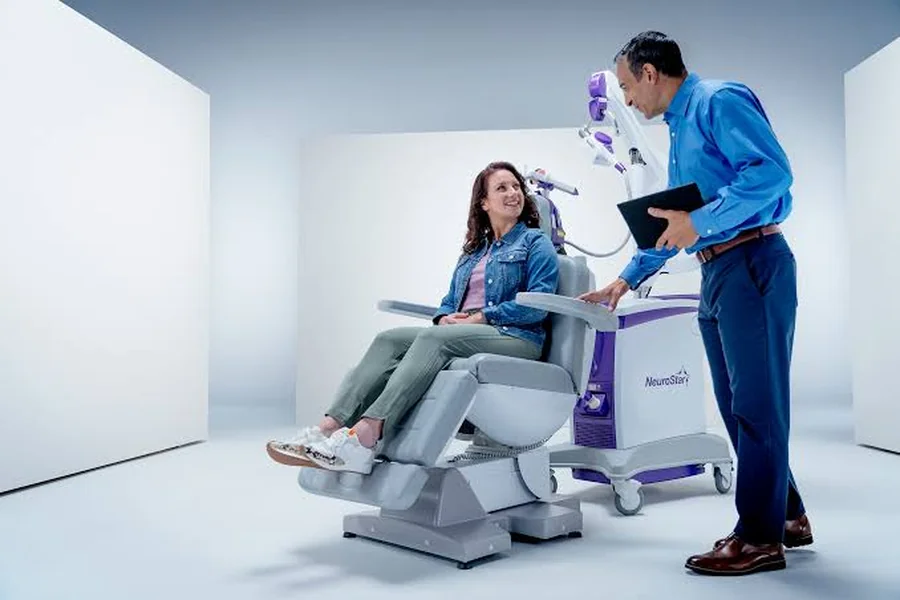
During a typical treatment session, you sit comfortably in a fully cushioned reclining chair. You remain completely awake, alert, and conscious throughout the entire process. A trained technician places a small, specially contoured magnetic coil against your scalp near your forehead. This coil delivers short, precise magnetic pulses that mirror the exact strength of a standard MRI machine. You will hear a light clicking sound and feel a gentle tapping sensation on your head, but the process is completely non-invasive. There is no need for sedation, no anesthesia is required, and there is zero downtime needed after you finish your appointment.
Because this treatment targets only the mood-controlling areas of your brain, it does not spread through your digestive tract or bloodstream. You do not have to worry about the typical systemic issues that come with prescriptions. There is no dry mouth, no digestive upset, and no morning grogginess. A standard course usually involves quick daily sessions lasting under twenty minutes, held five days a week for about four to six weeks. You can easily fit a session into your lunch break, drive yourself home immediately afterward, and jump right back into your normal daily schedule without interruption.
How Magnetic Therapy Compares to Other Options
When looking into advanced options, it helps to know how this approach differs from other clinical choices. Many people confuse magnetic therapy with electroconvulsive therapy, but they are entirely different methods. Electroconvulsive therapy uses direct electrical currents to trigger a brief seizure while you are under general anesthesia, which requires a recovery period and can sometimes cause temporary memory issues. In contrast, magnetic therapy uses non-invasive pulses that do not cause seizures, require no anesthesia, and leave your memory completely untouched.
- Non-systemic approach: It acts directly on the brain without circulating through your stomach or bloodstream, preventing the common physical side effects of daily pills.
- Zero downtime: You can drive yourself to and from the clinic and immediately return to work, school, or family responsibilities.
- Long-term durability: Unlike the daily up-and-down effects of oral medications, the neurological shifts from magnetic pulses help your brain build lasting resilience.
What to Expect During Your Path to Lasting Relief
Real mood recovery does not happen overnight, but the changes that come with magnetic therapy are gradual, natural, and sustainable. Most people begin to notice subtle shifts within the first two or three weeks of starting their regular sessions. You might find that your sleep quality improves, your morning energy levels pick up, or your focus becomes a bit sharper when handling daily tasks.
As the weeks progress, these small changes grow into more significant emotional stability. The constant mental weight begins to lift, making it easier to handle daily stress, enjoy hobbies you used to love, and engage fully with your family. Clinical studies show that over half of the individuals who do not respond to traditional pills see a dramatic reduction in their symptoms after a full course of NeuroStar TMS therapy, and many achieve complete remission that lasts for a year or longer.
If you are wondering about the logistics, this care is highly accessible. Because the technology is FDA-cleared and backed by years of solid clinical research, most major insurance providers, including Medicare and Tricare, cover the treatment for individuals who have not found relief from standard medications. If you are tired of the constant cycle of pills and want a localized, drug-free way to reclaim your mental clarity, exploring the options for Sparks NV TMS Therapy: Non-Drug Care for Mood Recovery could be the turning point you have been waiting for.

Passionate about exploring diverse ideas and sharing inspiration, I curate content that sparks curiosity and encourages personal growth. Join me at ElementalNest.com for insights across a wide range of topics.