
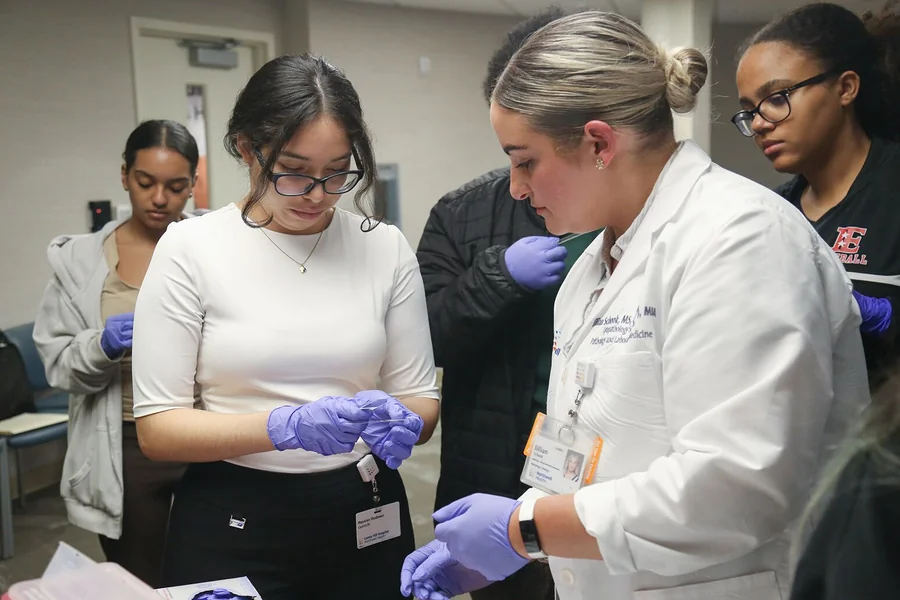
You already know the healthcare industry is short-staffed. Nurses are burning out, physicians are retiring earlier, and specialized roles sit open for months. If you’re leading a hospital or health system right now, you’re feeling this pressure daily. The question isn’t whether you have a staffing problem. It’s whether you have a plan.
That’s where a strong talent pipeline comes in. Building one isn’t just about filling today’s vacancies. It’s about creating a steady, reliable flow of qualified candidates so you’re never scrambling. A smart hospital recruitment strategy looks past the next 90 days and asks what your workforce needs to look like in three years, five years, ten years. Without that long view, you’re always playing catch-up.
Why You Can’t Wait Until You Need Someone
Think about the last time you tried to fill a critical role fast. It probably wasn’t pretty. Rushed hiring leads to mismatched candidates, expensive turnover, and burned-out teams covering the gap. A pipeline flips that script. You’re building relationships with potential hires before you need them.
- Nursing students still in clinical rotations
- Allied health graduates entering the job market
- Experienced clinicians open to a lateral move
- Military medics transitioning to civilian careers
When you nurture these relationships early, you’re not starting from zero every time a position opens.
What A Real Pipeline Actually Looks Like
A pipeline isn’t a stack of resumes waiting in a folder. It’s an ongoing system. You partner with nursing schools and medical programs. You offer internships, residencies, and shadowing opportunities. You stay in touch with promising candidates even when you don’t have an open role right now.
You also look inward. Your current staff is one of your best talent sources. Give your CNAs a path to become RNs. Support techs who want to become therapists. People stay longer when they can see a future with you, and that future doesn’t have to mean leaving for another employer.
The Cost Of Getting This Wrong
Turnover in healthcare is brutal on your budget. Replacing a single nurse can cost tens of thousands of dollars once you factor in recruiting, onboarding, and lost productivity. Multiply that across dozens of roles, and the number gets scary fast.
But the real cost isn’t just financial. Understaffed units mean tired, stretched teams. Tired teams make more errors. Patient care suffers. Morale drops even further, and good people start looking elsewhere. It becomes a cycle that’s hard to break once it starts.
Building Trust With Future Talent
Today’s nursing students and residents are tomorrow’s hires, and they’re paying attention to how you treat people now. Are you showing up at career fairs? Are you offering mentorship instead of just a job posting? Are you transparent about pay and growth opportunities?
Younger clinicians especially want more than a paycheck. They want purpose, flexibility, and a clear sense that their employer actually invests in them. If you can show that early, through internships or community partnerships, you’re planting seeds that pay off for years.
Making It Sustainable
None of this works as a one-time initiative. You need dedicated people and a consistent budget behind your pipeline efforts. Track your data. Know where your best hires are coming from. Double down on what’s working and cut what isn’t.
Small, steady investments beat big, reactive scrambles every time. A well-built pipeline gives you options when you need them most, and in healthcare, that kind of readiness can genuinely save lives. It’s not glamorous work, but it’s some of the most important work you’ll do as a leader.

Passionate about exploring diverse ideas and sharing inspiration, I curate content that sparks curiosity and encourages personal growth. Join me at ElementalNest.com for insights across a wide range of topics.