
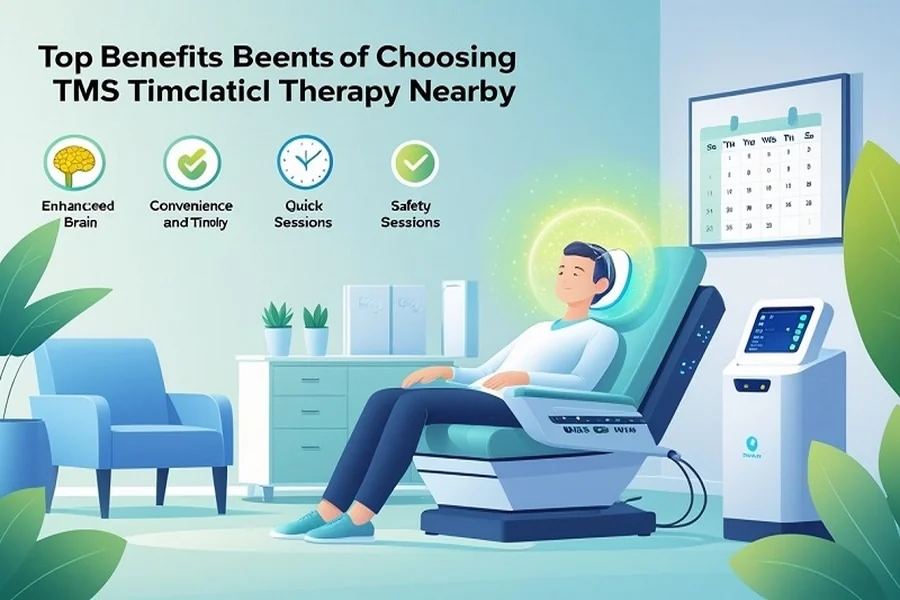
Depression affects millions of people, and when traditional treatments like medication and talk therapy fall short, finding effective alternatives becomes essential. Transcranial magnetic stimulation has emerged as a noninvasive, FDA-approved option for individuals with treatment-resistant depression, using targeted magnetic pulses to stimulate brain regions involved in mood regulation.
Choosing TMS therapy locally offers distinct advantages, from reducing travel burden during treatment to ensuring consistent access to care and support throughout the therapeutic process. Many patients require multiple sessions over several weeks, making proximity to a treatment center a practical consideration that directly impacts treatment adherence and outcomes.
Understanding the specific benefits of local TMS therapy helps patients make informed decisions about their mental health care. Geographic accessibility, insurance coverage coordination, and the quality of nearby providers all play significant roles in treatment success and patient satisfaction.
Why Choose TMS Therapy Near Me Today
Selecting a nearby TMS provider offers distinct advantages that extend beyond simple geography. Proximity to treatment centers directly impacts both the quality of care and the likelihood of achieving successful outcomes.
Immediate Access to Leading-Edge Treatments
Local TMS clinics provide rapid access to FDA-approved transcranial magnetic stimulation technology without the delays associated with distant facilities. Patients can begin treatment sessions within days rather than weeks, which matters significantly for those experiencing treatment-resistant depression or severe mental health symptoms.
Nearby TMS treatment centers typically invest in the latest equipment, including deep TMS technology that reaches broader brain regions. These facilities maintain current protocols based on recent research, ensuring patients receive evidence-based care. Board-certified specialists at local centers stay updated on advances in TMS for depression and other conditions.
The ability to start therapy quickly reduces the risk of symptom escalation during waiting periods. Patients gain immediate consultation opportunities to determine their eligibility and customize treatment plans specific to their needs.
Convenience and Increased Treatment Adherence
TMS therapy requires multiple sessions per week, typically five days weekly for four to six weeks. Proximity eliminates lengthy commutes that often become barriers to completing the full treatment course.
Shorter travel times mean patients can schedule sessions around work, family obligations, and daily responsibilities more effectively. This flexibility reduces missed appointments, which directly correlates with better treatment outcomes. Studies show that consistent attendance throughout the TMS treatment protocol significantly improves response rates.
Local access also minimizes transportation costs and reduces the physical and mental fatigue associated with traveling to distant facilities. Patients maintain their regular routines more easily, supporting overall mental health stability during treatment.
Personalized Care From Local TMS Providers
Community-based TMS providers develop deeper patient relationships through regular face-to-face interactions over the treatment course. This ongoing contact allows specialists to monitor progress closely, adjust protocols when needed, and address concerns immediately.
Local facilities often provide more flexible scheduling options and accommodate urgent needs faster than larger distant centers. Providers at nearby clinics understand regional healthcare resources and can coordinate care with existing therapists, psychiatrists, and primary care physicians.
The continuity of care from a consistent team builds trust and comfort, particularly important for mental health treatment. Patients receive personalized attention rather than becoming anonymous in high-volume facilities. Follow-up care and maintenance sessions become more manageable when the provider remains easily accessible long-term.
Top Benefits of Local TMS Therapy Over Distant Options
Selecting a TMS provider close to home offers practical advantages that directly impact treatment success and patient comfort. Proximity reduces logistical burdens while enabling better coordination with mental health professionals throughout the treatment process.
Reduced Stress and Travel Time
Choosing a nearby TMS clinic eliminates the exhausting commute that can compound symptoms of depression and anxiety. TMS therapy typically requires sessions five days per week for four to six weeks, making travel distance a significant factor in treatment adherence.
Long commutes drain energy and time that patients could redirect toward recovery and self-care. A local tms provider allows patients to schedule appointments around work or family obligations without dedicating hours to transportation.
Reduced travel time also decreases the likelihood of missed appointments. Consistency is critical for TMS effectiveness, and a conveniently located clinic makes it easier to maintain the recommended treatment schedule. Patients living near their tms clinics report lower stress levels and better engagement with their treatment plans.
Weather conditions, traffic delays, and vehicle reliability become non-factors when treatment is accessible within a short distance. This reliability proves especially valuable during winter months or for patients without consistent transportation.
Comprehensive Support and Emergency Accessibility
Local tms providers offer immediate access if unexpected side effects or concerns arise during treatment. Patients can quickly reach their mental health provider for urgent consultations rather than waiting or traveling long distances for care.
A nearby qualified tms provider facilitates seamless integration with existing mental health services in the community. Coordination between a board-certified psychiatrist and the TMS clinic becomes more efficient when providers operate in the same geographic area.
Local facilities often have established relationships with other healthcare professionals in the region. This network enables faster referrals, shared medical records, and collaborative treatment planning that addresses the full scope of a patient’s mental health needs.
Emergency situations, though rare with TMS therapy, receive faster attention when the clinic is nearby. Patients gain peace of mind knowing professional support is readily available throughout their treatment journey.
Stronger Collaboration With Your Mental Health Provider
Geographic proximity enables regular in-person meetings between the TMS clinic and a patient’s existing mental health provider. This face-to-face collaboration strengthens treatment outcomes through real-time progress monitoring and plan adjustments.
When searching to find a tms provider nearby, patients maintain continuity with their current psychiatric care team. The TMS specialist can directly communicate observations and response patterns to the patient’s primary psychiatrist or therapist without relying solely on phone calls or electronic messages.
Local tms providers can attend joint sessions or participate in treatment planning meetings more easily. This collaborative approach ensures TMS therapy complements medication management, psychotherapy, and other interventions the patient may be receiving.
Integrated care becomes substantially more practical when all providers work within the same community. Patients benefit from a unified treatment strategy rather than fragmented care from distant, disconnected facilities.

Passionate about exploring diverse ideas and sharing inspiration, I curate content that sparks curiosity and encourages personal growth. Join me at ElementalNest.com for insights across a wide range of topics.