
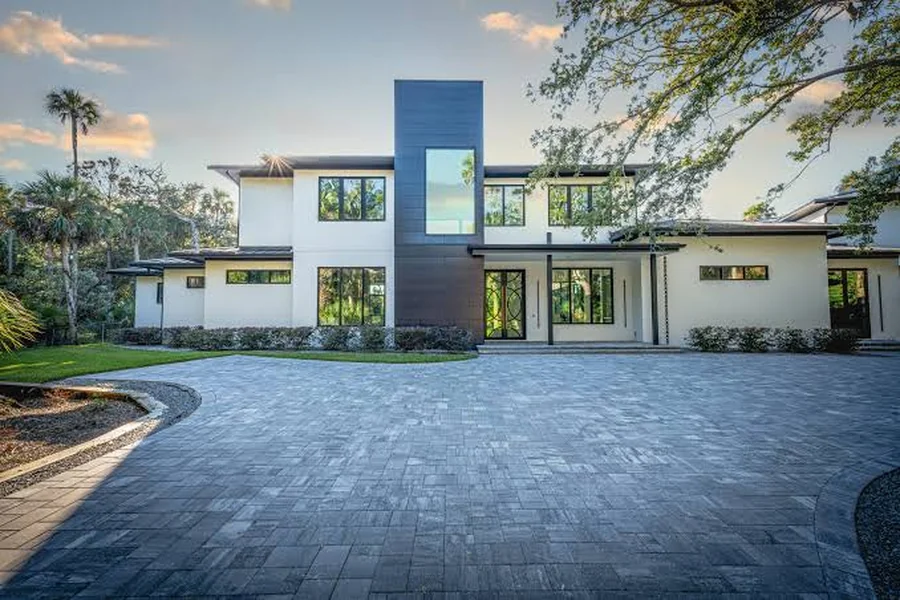
Understanding the price of a custom home build starts with knowing what the estimate actually includes. A well-prepared budget is more than the cost of materials and labor. It reflects planning, design coordination, site conditions, selections, project management, and the many details required to turn a personal vision into a finished home.
Design and Preconstruction Planning
Before construction begins, a custom home typically requires architectural planning, engineering, surveys, and permitting support. These early steps help define the size, layout, structure, and performance of the home. They also reduce uncertainty by identifying requirements before major spending begins.
Preconstruction pricing may include budgeting meetings, plan reviews, specification guidance, and coordination with design professionals. An Atlanta luxury home builder may also help align design decisions with realistic cost expectations during this stage.
Site Preparation and Foundation Work
Every property has unique conditions that affect price. Site preparation can include clearing, grading, erosion control, excavation, utility access, driveway preparation, and drainage work. Sloped lots, poor soil, tree removal, or long utility runs can increase costs before the foundation is even placed.
The foundation package may include footings, slab or basement construction, waterproofing, structural supports, and related inspections. Because site work can vary significantly, it is important to understand whether allowances, estimates, or fixed amounts are being used for these items.
Structural Construction and Exterior Elements
The main construction price usually includes framing, roofing, exterior sheathing, windows, exterior doors, masonry, siding, and weatherproofing. These components form the shell of the home and affect durability, energy performance, and long-term maintenance.
Exterior selections can have a large impact on the budget. Premium windows, natural stone, specialty roofing, outdoor living structures, and custom entry features often cost more than standard options. Clear specifications help prevent confusion about what is included.
Mechanical, Electrical, and Plumbing Systems
Behind the walls, a custom home includes major systems for heating, cooling, ventilation, water, drainage, electrical service, lighting, and low-voltage wiring. These systems must meet code requirements and support the way the household plans to live.
Pricing may vary based on system capacity, fixture counts, smart controls, specialty lighting, backup power readiness, and energy efficiency goals. Detailed plans help clarify whether the budget includes basic systems or upgraded performance features.
Interior Finishes and Allowances
Interior finishes include drywall, trim, cabinetry, countertops, flooring, tile, paint, interior doors, hardware, plumbing fixtures, lighting fixtures, and appliances. In many custom builds, some of these categories are priced through allowances rather than final selections.
An allowance is a budgeted amount for an item not fully selected at the time of pricing. If final selections exceed the allowance, the price increases. If selections come in under the allowance, the budget may decrease, depending on the agreement.
Common Allowance Categories
- Cabinetry and built-ins
- Countertops and backsplashes
- Flooring and tile
- Lighting fixtures
- Appliances
- Plumbing fixtures
Project Management, Supervision, and Overhead
A custom build also includes coordination. Scheduling trades, managing inspections, ordering materials, controlling quality, reviewing costs, and solving field issues are part of the builder’s role. These services are usually reflected in management fees, supervision costs, overhead, and builder margin.
Experienced custom home builders Alpharetta may present these costs differently, so reviewing the pricing format matters. Some proposals separate fees clearly, while others include them within line-item pricing.
Items That May Not Be Included
Not every cost is automatically part of a construction agreement. Land purchase, financing fees, furniture, window treatments, landscaping, pools, fencing, detached structures, and certain utility connection fees may be separate. Homeowner association requirements and special design review fees can also affect the total investment.
Change orders are another important factor. When plans or selections change after pricing is approved, added labor, materials, scheduling impacts, and administrative time may change the final cost. A clear process helps keep decisions organized.
Planning for a Clear Build Budget
The best custom home budgets are detailed, transparent, and tied to specific plans and selections. A strong price proposal explains what is included, what is excluded, what is estimated, and what remains undecided.
Understanding these categories helps homeowners compare proposals more accurately and make confident design choices. A custom home is a major investment, and clarity at the beginning supports a smoother building experience from planning through completion.

Passionate about exploring diverse ideas and sharing inspiration, I curate content that sparks curiosity and encourages personal growth. Join me at ElementalNest.com for insights across a wide range of topics.